Power Station vs Gas Generator: Which to Buy
Choose a battery unit for quiet, short outages and a gas generator for heavy loads and long ones. Here are the rules and cost logic behind that.
 By BuyOnceChoice Editorial Team
Updated November 16, 2026
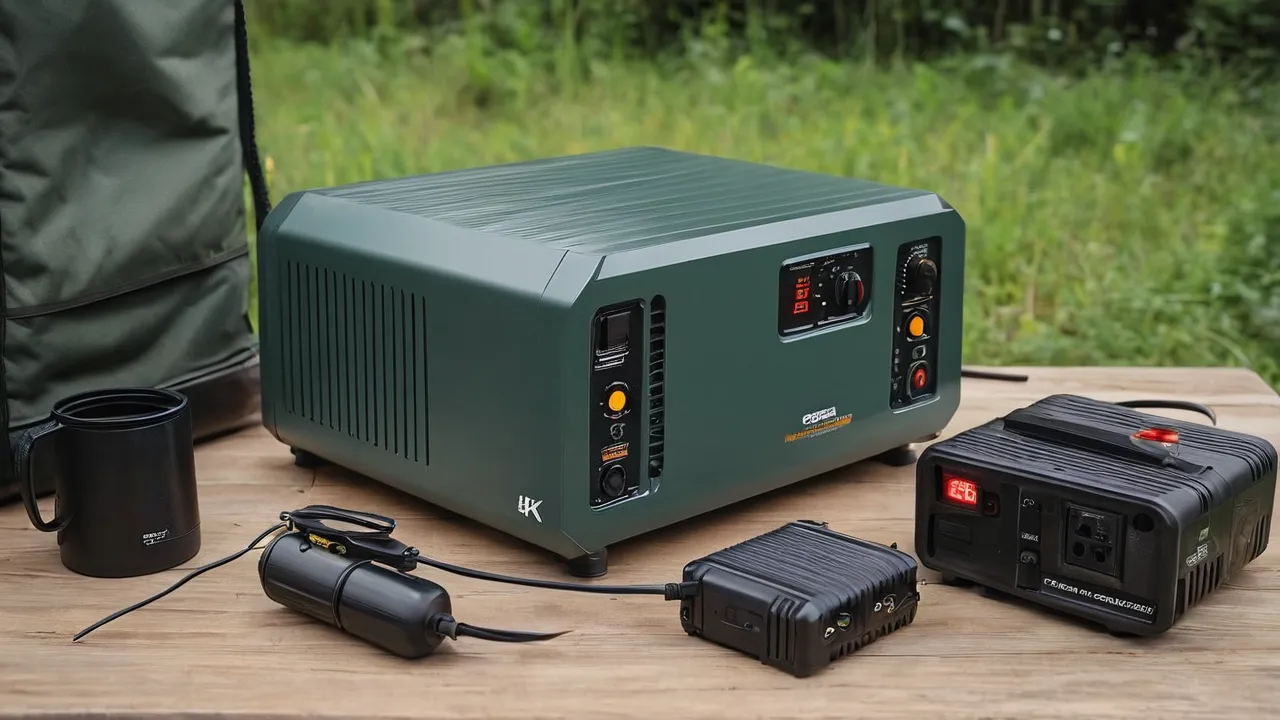
A power station is a battery with an inverter that stores electricity and gives it back silently with no fuel or exhaust, while a gas generator burns gasoline to make power continuously. Choose a power station for small loads, indoor or quiet use, and short outages. Choose a gas generator for large loads, long outages, and situations where you can refuel safely outdoors.
This comparison gives decision rules by load, outage length, and noise, and it explains long-term running cost without inventing prices. It applies to home backup, camping, and job-site use. Browse the portable power station category and the portable generator category to compare models, see our solar generator category for systems that pair a station with panels, and read how we review for how we handle specifications.
The Core Difference in One Paragraph
A power station stores a fixed amount of energy in a battery, so it runs until the battery is empty and then needs recharging from a wall outlet, solar panels, or a vehicle. A gas generator stores nothing, and it can run as long as you keep adding fuel. That one difference explains almost everything else: stations are quiet, clean at the point of use, and limited by capacity, and generators are loud, produce exhaust, and are limited by how much fuel you can safely store and carry.
Load Size: Where Each Type Wins
Add up what you want to run, in watts. Small loads such as phones, laptops, lights, a router, a CPAP machine, and a small refrigerator fit a power station easily. Medium loads such as a full-size refrigerator plus lights and electronics fit a larger station. Heavy loads such as a central air conditioner, an electric dryer, a well pump with large surge, or power tools on a job site usually need a generator, or a very large station with a high-output inverter.
The key numbers are continuous watts for the load you run at the same time, and surge watts for motor startup. A generator’s output rating is for continuous power as long as it has fuel, while a station’s output is limited by both its inverter and its capacity. If a load needs more than the inverter rating, a station will shut off no matter how full the battery is.
Outage Length: The Hidden Axis
Capacity decides how long a station lasts. Divide usable watt-hours by your average load in watts to estimate hours. A refrigerator plus essentials may use on the order of a couple of kilowatt-hours a day, so a mid-sized station covers one day, and a bigger one with solar extends it. A generator covers days if you store enough fuel, but fuel is not endless: storing gasoline safely is limited, and during widespread outages gas stations may be closed.
A Worked Example
Suppose your essentials total 150 watts on average, and you want 48 hours. That is 7,200 watt-hours, or about 8,500 watt-hours of label capacity after losses. That is a very large station, or a medium station with solar and good weather. A generator rated for a few thousand watts would burn fuel at a modest rate at that light load, so a few gallons could cover two days, though running a large engine at a small load is inefficient. For light loads and long durations, a small inverter generator or a station with solar is the sweet spot. For heavy loads and long durations, a generator wins.
Noise, Fumes, and Where You Can Run Them
Power stations run silently apart from a small fan, produce no exhaust, and can run indoors, in apartments, on balconies, and in tents. Gas generators are loud, with inverter models quieter than open-frame ones, and they produce carbon monoxide, so they must run outdoors, at least 20 feet from the home according to the Consumer Product Safety Commission, with exhaust pointed away from windows, doors, and vents. Many campgrounds, apartments, and neighborhoods restrict or ban generators, and quiet hours apply. If you live where a generator is not allowed or not safe, a station is the answer.
Fuel, Maintenance, and Storage
Generators need oil changes, air filter checks, spark plugs, and fresh fuel. Gasoline goes stale in a few months without stabilizer, and old fuel gums carburetors, which is the top reason a generator will not start when needed. Stations need almost no maintenance other than periodic charging, a cool, dry place, and following the manual’s storage level. A station that sits for months should be topped up every few months, as the manual directs.
Fuel handling is also a safety issue. Store gasoline only in approved containers, outdoors, away from ignition sources, and never refuel a hot generator. A station has none of those hazards, though lithium batteries have their own safety rules.
Running Cost Without Guessing Prices
Instead of quoting prices, compare what you spend by category. A generator’s ongoing cost is fuel, oil, filters, and maintenance, and it scales with hours run. A station’s ongoing cost is almost only the electricity to recharge it, or free solar. The upfront price per watt-hour of storage is higher on a station, while the price per watt of output is higher on a generator at large sizes. Estimate your hours of use per year, and the upfront price spread over the years you will keep the unit.
Buy-once logic favors the product you will actually use. A generator that sits unused and will not start has a high effective cost, while a station used for camping and outages every month earns its price. Battery chemistry matters as well, because a lithium iron phosphate pack rated for many cycles lasts longer than one rated for fewer.
Pairing the Two
Owning both is more common than it sounds. The station handles the first hours of an outage without anyone going outside, powers electronics and medical equipment cleanly, and runs quietly overnight. The generator handles heavy loads and extended outages, and it can recharge the station when the weather is bad. If you pair them, run the generator outdoors, charge the station from it only through the cord and ports the manual allows, and never refuel while running.
This setup also reduces generator hours. Instead of running the engine all night for a refrigerator, you can run it for a few hours during the day, charge the station, and shut the engine off. That saves fuel, reduces noise, and keeps carbon monoxide risk away from sleeping hours.
Longevity and Resale
A generator engine can run for many years if maintained and started regularly, and it is repairable by local shops. A station’s battery wears with cycles and age, so lifespan depends on chemistry, use, and storage. Resale value depends on brand support and battery health. Before buying either, check the warranty term, what it covers, and how service works. Parts availability and a clear service path matter more for a unit you plan to keep for a decade than a small difference in price.
Questions to Ask Before You Buy
- What are my real running watts and the largest surge?
- How many hours do I need, and can I refuel or recharge during that time?
- Where will I run it, and do local rules or neighbors limit that?
- How will I store fuel or keep the battery charged?
- What does the warranty cover, and who services the product?
Write your answers on one page. If most of them point to small loads, quiet, and indoor or shared spaces, buy a station. If they point to heavy loads and many days, buy a generator.
Decision Rules by Buyer Type
- Apartment or condo dwellers: power station, since you cannot run a generator safely.
- Campers and van owners: station, with solar, for quiet and convenience.
- Short outages with essentials: station.
- Multi-day outages with large loads or well pumps: generator, or a standby system.
- Job sites and heavy tools: generator.
- Medical devices: station for clean, quiet power, with a second plan, and follow the device manual.
Many households end up with both, a station for the first hours and for electronics and a generator for long events. Never plug either into a wall outlet to power the house. Connect to home circuits only through a transfer switch or interlock installed by a licensed electrician. Run generators outdoors only, and keep carbon monoxide alarms working indoors.
Frequently Asked Questions
Can a power station replace a gas generator?
For small and medium loads and short to medium outages, yes. For central air conditioning, electric heat, or multi-day outages with heavy loads, usually no. Add up your running watts and surge, check the inverter rating, and compare the capacity to the hours you need before deciding.
Is a power station cheaper to run than a gas generator?
Per hour of use, a station usually costs less because recharging costs little or nothing with solar, while a generator burns fuel. But the upfront price per unit of capacity is higher. Run the numbers for your hours of use and the years you will keep the unit.
Can I use a power station indoors?
Yes, in most cases, since it makes no exhaust, but keep it in a dry, ventilated area away from heat and flammable items, and follow the manual’s clearance and temperature limits. A gas generator must never be used indoors, in a garage, or near windows, because of carbon monoxide.
Final Thoughts
Stations win on quiet, safety indoors, and low maintenance for light loads, and generators win on large loads and long runtimes. Count your watts and hours, check where you can legally and safely run each, and consider owning both. Rely on a licensed electrician for any connection to your home.
Related buying guides
- Power Station vs Inverter Generator for Camping
- How to Store a Portable Power Station Long Term
- Watts vs Watt Hours: Power Station Specs Explained
About the author

The BuyOnceChoice Editorial Team researches durable products worth buying once. Our guides compare published specifications, warranty terms, expert review consensus, and verified owner feedback. We do not conduct our own product trials. See How We Review and our Editorial Policy for our standards.