Jobsite vs Cabinet vs Hybrid Table Saw: How to Choose
Three saw classes, three different shops. Use floor space, outlet type, dust and expected years of use to pick jobsite, hybrid or cabinet.
 By BuyOnceChoice Editorial Team
Updated November 16, 2026
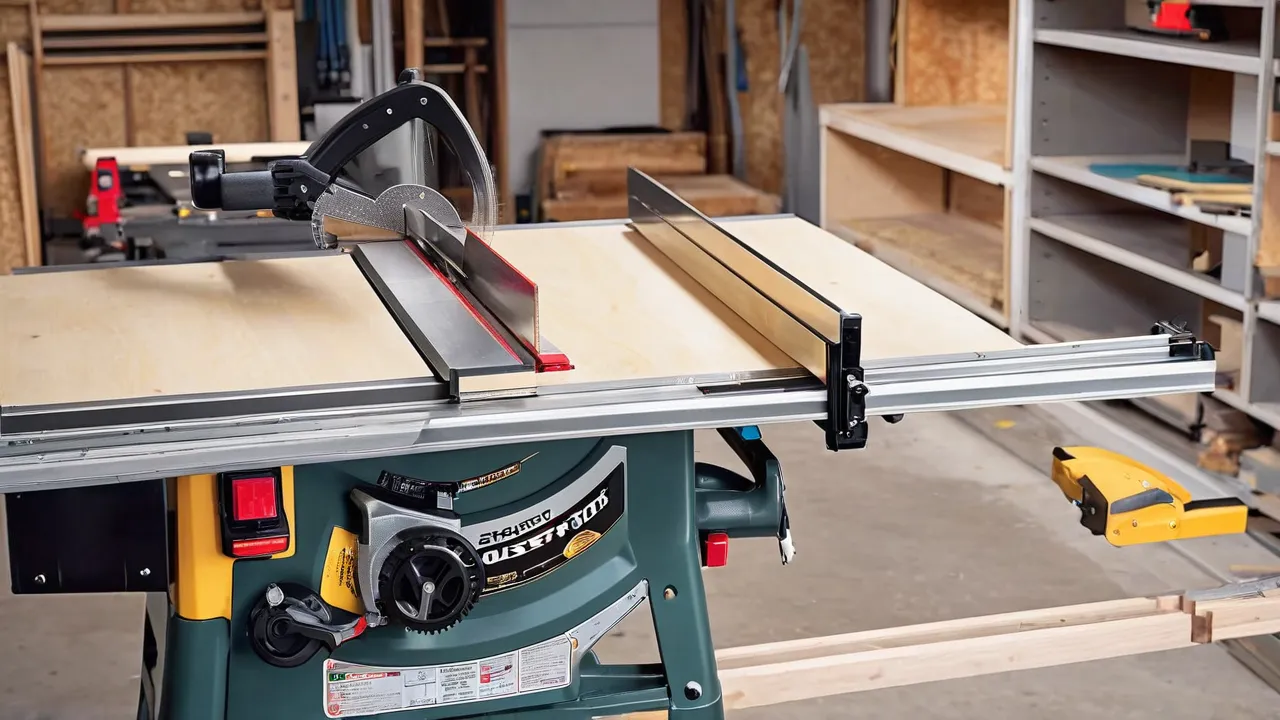
Jobsite vs cabinet vs hybrid table saw is a choice of class, and the class decides your shop space, power supply and how long the saw will last. A jobsite saw is light, portable and runs on a standard 120 volt outlet. A cabinet saw is heavy, powerful and stable, and often needs 240 volts. A hybrid saw sits between them, with a heavier base and a motor that runs on 120 or 240 volts. Match the class to your shop space, your power supply and how much you will use it, then verify the details in each manufacturer’s specifications.
What defines each class
A jobsite saw has a lightweight body and a compact stand, and a universal motor that runs on a standard household circuit. It is designed to be carried, set up and moved. Most have a smaller table, a lighter fence and a short life under constant heavy use.
A cabinet saw has an enclosed base that houses a heavy induction motor, trunnions and a large cast iron table. It is heavy, often hundreds of pounds, and is designed to stay in a shop. The motor is typically more powerful, and the saw runs smoother and holds alignment well. Many require 240 volts, and some run on 120.
A hybrid saw uses a cabinet-style base with a cast iron table but a lighter internal construction than a full cabinet saw. Many have an induction motor that runs on 120 or 240 volts. A contractor-style saw is an older design with an open stand and an external motor, and is sometimes grouped here. Hybrid saws are a middle path for hobbyists.
Space and storage
Measure your shop. A cabinet saw needs a permanent place with clearance around the table for long boards and sheet goods, and it is hard to move. A hybrid saw is easier to move, especially with a mobile base. A jobsite saw folds or wheels away and stores on a shelf or in a corner. If you share a garage with a car, mobility counts.
Think about outfeed space. Long boards need space behind the saw to support them. A jobsite saw can use a roller stand or a folding outfeed table, and a cabinet saw works well with a built-in outfeed table. Plan how you will break down sheet goods, since sheets are large and heavy.
Power supply
Check your circuit before you buy. Jobsite saws run on a standard 120 volt, 15 amp circuit. Hybrid and cabinet saws with larger motors may need a 20 amp circuit or 240 volts, which means a dedicated circuit installed by a licensed electrician. Some saws can be wired for either voltage. Check the motor’s amp draw in the manual, and do not use a thin extension cord, which starves the motor.
A saw on a shared circuit with other loads may trip the breaker. If your shop has limited power, consider a jobsite or a 120 volt hybrid saw. If you can run a 240 volt line, a cabinet saw’s motor can work easily. Ask your electrician about requirements and permits.
Three example shops
- Small garage with shared space: a jobsite saw on a folding stand, stored against a wall, or a compact hybrid on a mobile base. Power comes from a standard outlet.
- Dedicated home shop for furniture and cabinets: a hybrid or cabinet saw with a good fence, set on a mobile base if space is tight, on a 240 volt circuit if available.
- Remodeler working on site: a jobsite saw that fits in a truck and sets up quickly, with a good blade and a stand.
In each shop, the saw’s class matches the space and power available. Buying a cabinet saw for a shop with a 15 amp outlet and no room is a common mismatch.
Dust, noise and cut quality
Cabinet saws have an enclosed base that helps with dust collection, and they run smoothly with less vibration. Hybrid saws vary, with partially enclosed bases that collect some dust. Jobsite saws throw dust freely and are louder, since their motors run at high speed. A vacuum port helps. Wear a dust mask, hearing protection and eye protection with any saw.
Cut quality depends on the fence, the table flatness, the blade and the alignment. A heavy cast iron table and a rigid fence help a cabinet or hybrid saw hold a straight line. A good blade improves cuts on any saw. Lightweight jobsite saws can match them on short cuts but may drift on long rips or heavy stock, and fence quality varies. Check that the fence locks square and parallel to the blade.
Expected lifespan and what to check
A cabinet saw can last decades with care, since parts are heavy and serviceable and many have belts, bearings and trunnions that can be replaced. A hybrid saw can last many years, and the induction motor is long-lived. Jobsite saws are built to be light, so they wear out sooner under heavy use, though they can serve a homeowner for many years. Treat any lifespan claim as a manufacturer statement. Check what parts are sold, the motor type, the warranty terms and the service network.
Look at the manual and spec sheet for weight, motor horsepower, amp draw, rip capacity, table size, blade tilt and the fence system. Verify the details against the manufacturer’s specifications rather than trusting a product listing. Our power tools category and the tools and garage section cover related equipment.
Safety features that deserve weight
- A riving knife that moves with the blade and a blade guard.
- Anti-kickback pawls where the design includes them.
- A flesh-sensing or braking system, offered on some saws.
- A magnetic switch or a large, easy-to-reach stop paddle.
- Good dust collection to keep the work visible.
- A stable stand or base that does not tip.
Features vary by class and model. Use push sticks, stand out of the line of the blade, and never cut freehand. Follow the manual, and wear eye and hearing protection.
Decision rules
- Choose a jobsite saw if you move often, have limited space and a standard outlet, or work on site.
- Choose a hybrid saw if you have a home shop, want better accuracy and have the space and a power supply for it.
- Choose a cabinet saw if you build furniture or cabinets regularly, have a permanent shop and a 240 volt circuit.
- Skip a cabinet saw if you lack space or power, and skip a jobsite saw if you plan heavy daily use on thick hardwood.
Questions to settle before you buy
- How much floor space can I give the saw permanently, including infeed and outfeed?
- What circuit do I have, and can an electrician add a 240 volt line if I want one?
- How often will I move the saw, and can I lift it onto a stand or a mobile base?
- What will I cut most: sheet goods, hardwood boards, trim or framing lumber?
- How wide are the sheets I need to rip, and does the fence rail reach far enough?
- What is my budget for the saw, a good blade, a mobile base and dust collection?
- Does the maker publish a clear manual, parts list and warranty?
Total cost of getting set up
The saw is only part of the cost. Add a good blade, push sticks, a miter gauge or sled, a mobile base or stand, outfeed support and dust collection. Some classes need a circuit upgrade or an electrician’s visit. A jobsite saw with a stand may cost the least overall, while a cabinet saw with a dedicated circuit, a base and dust collection can add up. Make a short list of everything you need and compare totals for each class, not just the price on the box. If you are choosing between a premium jobsite saw and a hybrid, the extra cost of the hybrid often buys much better accuracy and life.
Alignment and setup
Any saw cuts well only when the blade and fence are parallel to the miter slot and the table is flat. Check the alignment when the saw is new and after moves. Cabinet and hybrid saws have trunnions that you can adjust, and jobsite saws often hold alignment less well when moved. A saw that holds alignment saves frustration, which is why heavier classes appeal to people who care about precision. Follow the manual’s alignment steps, and keep a combination square and a dial indicator with your tools if you want to fine-tune.
Frequently Asked Questions
Is a hybrid table saw worth it over a jobsite saw?
For a home shop, usually yes: a heavier cast iron table, a sturdier fence and a quieter induction motor improve accuracy and comfort over a jobsite saw. It costs more, weighs more and takes more space. If you need to move the saw often, a jobsite saw is the better fit.
Do cabinet table saws need 240 volts?
Many do, since their motors are large, though some run on 120 volts or can be wired for either. Check the motor’s amp draw and wiring options in the manual, compare them with your panel and circuits, and use a licensed electrician to run a dedicated circuit.
How long do jobsite table saws last?
It depends on use and care. Light homeowner use can last many years, but heavy daily use on thick hardwood wears them faster than a cabinet saw, since parts are lighter. Look at the warranty terms, what parts are sold and how easy it is to replace a switch or a belt.
Can I run a table saw on an extension cord?
Only with a heavy-gauge cord rated for the saw’s amp draw and kept as short as possible. A thin or long cord starves the motor, which makes it run hot and can trip the breaker. Plug into a dedicated outlet whenever you can, and check the saw manual for cord recommendations.
Final Thoughts
Match the saw class to your shop: jobsite for portability and small spaces, hybrid for a balanced home shop, cabinet for permanent, heavy use. Check your space and your circuit first, then compare fence, table, motor and safety features in the manufacturer’s specifications. Use the riving knife, push sticks and eye and hearing protection, and read how we review to see how we weigh these choices.
Related buying guides
- Table Saw Safety: Riving Knife, Push Sticks and Kickback
- Third Party vs Genuine Cordless Batteries: Risks
- 12V vs 18V vs 20V Max Cordless Tools: Pick a Platform
About the author

The BuyOnceChoice Editorial Team researches durable products worth buying once. Our guides compare published specifications, warranty terms, expert review consensus, and verified owner feedback. We do not conduct our own product trials. See How We Review and our Editorial Policy for our standards.