Drill vs Impact Driver: Which One Do You Need First
Learn which jobs suit each tool, the bit shank problem that trips up beginners and a simple flow for choosing a first cordless kit.
 By BuyOnceChoice Editorial Team
Updated November 16, 2026
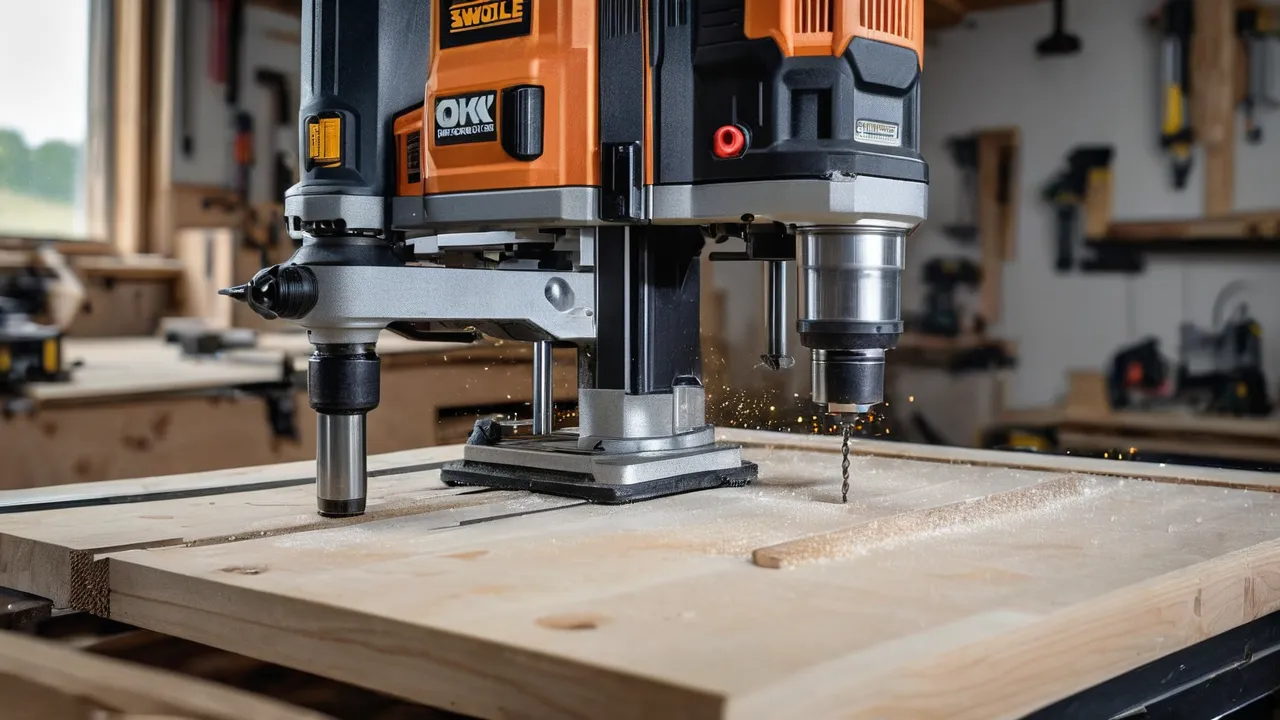
Drill vs impact driver is a question of control versus power. Buy a drill first if you need to make holes, drive small screws and work with a clutch for control, and buy an impact driver as the second tool for long screws, lag bolts and repetitive fastening. If you can own only one, the drill is more versatile, while an impact driver is better for deck building and framing. Most homeowners eventually want both, because each does the other’s job poorly.
How each tool works
A drill or drill driver holds a round-shank bit in a three-jaw chuck and applies steady rotation. A clutch ring limits torque so a screw stops when it reaches the set level instead of stripping the head or cracking the material. A drill also has a variable-speed trigger and often two gear ranges.
An impact driver has a quarter inch hex collet that accepts hex-shank bits. Under load, an internal hammer and anvil mechanism delivers rapid rotational impacts, which adds peak torque without transferring much twisting force to your wrist. The tool is compact and noisy. It generally has no clutch, so torque is controlled by trigger feel and, on some models, drive modes.
Task comparison
- Small holes in wood or metal: drill is best, impact driver is possible with hex bits but control is rough.
- Large holes with spade bits or hole saws: drill is good, impact driver is often too rough and hole saws may not suit it.
- Small screws in cabinets or electronics: drill is best because the clutch prevents stripping, and an impact driver can overdrive.
- Long deck or construction screws: impact driver is best, a drill works but strains the wrist.
- Lag screws and structural fasteners: impact driver is best, a drill struggles.
- Driving into dense lumber or engineered beams: impact driver is best.
- Mixing paint or mortar: drill with a low speed range, impact driver not suited.
- Removing stuck screws: impact driver, since impacts break them loose.
The bit shank compatibility problem
Beginners often buy an impact driver and find their drill bits will not fit. A round-shank drill bit does not seat properly in a hex collet, so it can slip or spin. Hex-shank drill bits are available, and they work in both tools because a three-jaw chuck can grip a hex shank. If you plan to use one set of bits in both tools, hex-shank bits are the answer.
There is a second issue. Standard screwdriver bits are harder and more brittle, and they can crack under an impact driver’s repeated blows. Impact-rated bits are made to flex and absorb shock. Using the wrong bit risks breakage and a stripped screw head, so read the packaging for the impact rating. Regular twist drill bits can also break if the impact mechanism engages while drilling, so avoid drilling large or deep holes with an impact driver unless the bits are designed for it.
A decision flow for a first kit
- Do you need to make holes? If yes, buy a drill first, since an impact driver is not a good hole-making tool.
- Do you build decks, fences or framing, or drive screws longer than a few inches? If yes, add an impact driver.
- Do you do cabinet, furniture or electronics work with small screws? A drill with a clutch is the tool, and an impact driver can strip heads.
- Do you want one tool for a mixed household list? Choose a drill with a decent chuck and a range of clutch settings.
- Do you expect to need both? A combo kit with shared batteries is often the economical way in.
Check what batteries and charger a kit includes, since the batteries decide the value.
Pilot holes and screw technique
Even with an impact driver, long screws into hardwood go in better with a pilot hole, which a drill makes. Drill a pilot slightly smaller than the screw’s core, add a countersink if the head should sit flush, then drive the screw with the impact driver. This two-tool routine prevents splitting near board ends and keeps screws from snapping. Keep the bit square to the screw, apply steady pressure and release the trigger when the head seats.
When a hammer drill enters the picture
If you will drill into brick, block or concrete, a hammer drill adds a percussive action to the rotation, and masonry bits are needed. An impact driver is not a hammer drill. The first delivers rotational impacts, and the second delivers a forward pounding. A drill driver with a hammer mode is a sensible way to cover occasional masonry anchors.
Noise, comfort and control
An impact driver is loud in use, and hearing protection is a good idea for long sessions. Because it is short and drives screws without transmitting much twist to your hand, it is easy to use overhead or in awkward positions. A drill has more reaction torque at high settings, especially when a large bit binds, and a side handle helps where fitted. Control is the strength of a drill, and power is the strength of an impact driver.
What to look for in each tool
For a drill, look for a metal keyless chuck, a clutch with a good spread of settings, a two-speed gearbox and a comfortable grip. Chuck size, commonly three eighths or a half inch, limits the biggest shank you can hold. For an impact driver, look for a quick-release collet, a work light, variable speed control and a compact head length for tight spaces. On either tool, check the battery platform, warranty terms and whether the tool is sold bare or in a kit.
Be wary of spec comparisons across brands. Maximum torque is measured in different ways by different companies, and a bigger number is not automatically better for your jobs. Rely on features that match your tasks and on the shared battery you can use across a growing collection, which you can browse in the tools and garage section.
Who should choose which
- First-time homeowner who hangs shelves, builds furniture and drills holes: a drill driver.
- Deck builder, fence installer or anyone driving long screws: an impact driver, with a drill as the second tool.
- Cabinet installer or finish carpenter: both, with the drill used for pilot holes and small screws.
- Mechanic or tinkerer working on stuck fasteners: an impact driver, plus appropriate sockets and adapters.
- Someone who wants a single tool: a drill, because it covers more tasks.
Skip an impact driver if your work is mostly drilling and small screws. Skip buying only a drill if you regularly drive long screws, since your wrist will notice. Compare features in the power tools category and read how we review to see how we weigh them.
Safety
Wear eye protection, secure the work and keep hands clear of the bit. Use only the charger and batteries the maker specifies, and follow the manual for charging and storage. Do not use damaged batteries or a worn or cracked bit, because bits can snap and fly.
Matching bits to each tool
Build a small bit set for each job. For the drill, keep brad point bits for wood, twist bits for metal and a few masonry bits if you use a hammer mode. For the impact driver, keep impact-rated Phillips, square and Torx bits in the sizes your screws use, plus a few bit extensions for recessed fasteners. A magnetic holder helps with small screws, and a depth stop or countersink bit makes pilot work faster. Replace bits as the tips round off, since a worn bit slips, strips screw heads and wastes energy from the battery. Keep bits in an index so you can see which sizes you are missing.
Using the two together on a typical project
Consider a simple deck rail repair. You drill pilot holes with the drill and a countersink, then drive the long screws with the impact driver. For the hinges on a gate, you drill pilot holes, then use the drill at a low clutch setting to drive the small screws so the heads do not strip. The same weekend might call for a hole saw for a latch, which belongs on the drill. Switching tools is faster than changing bits and settings on one tool, and a shared battery makes the swap easy.
Frequently Asked Questions
Can an impact driver replace a drill?
Not well. An impact driver is excellent at driving long screws but is rough for small holes and has no clutch for delicate work. With hex-shank bits it can drill small holes, but a drill remains the better hole-making tool.
Can I use drill bits in an impact driver?
Only bits with a quarter inch hex shank fit the collet securely. Round-shank bits can slip. Use impact-rated bits and avoid drilling large or deep holes with an impact driver unless the bits are designed for it.
Which should I buy first, a drill or an impact driver?
Buy the drill first if you want one tool for holes and small screws. Buy the impact driver first if your main work is decks, fences or long screws. Many people add the second tool as a combo kit.
Is an impact driver the same as a hammer drill?
No. An impact driver delivers rotational impacts to drive fasteners. A hammer drill adds a forward pounding action for masonry, and it needs masonry bits. Choose a hammer drill if you will drill brick or concrete.
Final Thoughts
Pick the drill for control and holes, and the impact driver for power and long screws. If your budget forces a choice, the drill covers more jobs, while a kit with both on a shared battery is the best long-term setup. Pay attention to bit shanks and impact-rated bits, and let the battery platform guide which brand you choose.
Related buying guides
- How Long Do Cordless Tool Batteries Last? Care Guide
- How to Choose a Circular Saw: Blade Size, Motor, Guard
- How to Choose a Reciprocating Saw: Stroke, Orbit, Blades
About the author

The BuyOnceChoice Editorial Team researches durable products worth buying once. Our guides compare published specifications, warranty terms, expert review consensus, and verified owner feedback. We do not conduct our own product trials. See How We Review and our Editorial Policy for our standards.