Third Party vs Genuine Cordless Batteries: Risks
Off-brand tool batteries cost less, but protection circuits, fit and warranty can differ. Learn what to check and when sticking with the maker is wiser.
 By BuyOnceChoice Editorial Team
Updated November 16, 2026
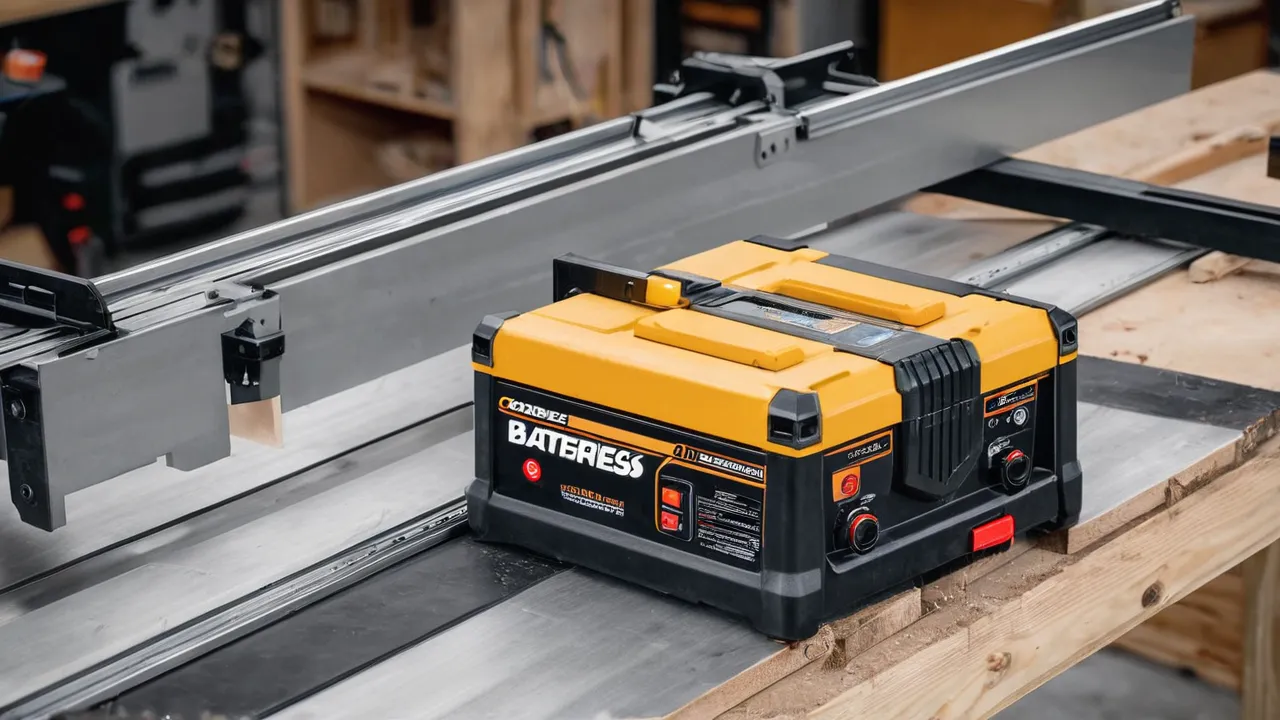
Third party versus OEM tool batteries is a choice between a pack made or approved by the tool maker, called genuine or OEM, and a pack made by another company to fit the same tool. Genuine packs are designed to work with the maker’s tool and charger, while third party packs vary widely in quality. The savings can be real, but so can the differences in protection circuits, fit and coverage, so for expensive tools the maker’s own pack is usually the safer choice.
What a Battery Management System Does
A lithium ion pack holds more than cells. A management circuit watches voltage, current and temperature, cuts power if the pack overheats or drains too low, and balances the cells. It talks to the tool and the charger in many platforms. A good circuit protects the cells, the tool and the user. A weak or missing circuit does not.
This is the chief difference between packs. Two packs can look the same, yet one may protect against overcurrent and heat, and another may not. You cannot see the circuit, so the maker’s reputation and documentation matter.
Smart platforms go further. Some tools send a signal that tells the pack to deliver high current or to protect itself under load. If a third party pack ignores or mimics that signal poorly, the tool may behave oddly, run weaker, or shut down. The charger can also misread the pack and apply the wrong profile. These are communication problems, and they are invisible until the pack is in use.
Warranty and Support
Using a non-approved pack can affect coverage, depending on the maker’s terms. In the United States, warranty law generally limits a maker from voiding a whole warranty merely because a third party part was used, but a maker can decline to cover damage that the third party pack caused. Read the warranty in the manual before you buy, because the practical result is the same: a repair caused by a bad pack may be your cost. Third party sellers vary in how they handle returns and claims, and a short or unclear policy is a warning sign.
Keep documentation. If a tool fails and you used a third party pack, the maker may ask what battery was in use. Be honest, since the support team can often tell. If you need the tool covered under warranty, use the maker’s pack. If the tool is out of warranty and inexpensive to replace, the risk calculation shifts, but the safety concerns remain the same.
Fit, Performance and Compatibility
Some third party packs fit loosely or lack the signal contacts that a tool needs. A pack may work in the tool but not communicate with a smart charger, so it charges slowly or not at all. Capacity claims on third party packs are sometimes optimistic, so a pack labeled with a high amp hour number may not deliver it. Compare with the maker’s stated figure and read how owners describe long term performance.
| Factor | Genuine pack | Third party pack |
|---|---|---|
| Protection circuit | Designed for the platform | Varies, hard to verify |
| Warranty | Covered by maker terms | May affect tool coverage for pack damage |
| Fit and contacts | Matched | Can be loose or incomplete |
| Capacity claims | Stated by the maker | Sometimes inflated |
| Cost | Higher | Lower |
Look at the build. A quality pack has a firm latch, clean contacts, an even label and a clear marking of voltage, capacity, watt hours and manufacturer. A pack with blurry printing, missing information or a loose shell is a red flag. Compare the weight with a genuine pack if you can, since a pack that is much lighter than its claim may contain fewer or smaller cells than advertised.
Cell math you can check yourself
Watt hours equal volts times amp hours. A pack that claims a larger capacity than a genuine pack of the same size and voltage deserves suspicion, because cell volume is limited by the case. If the label lists amp hours but no watt hours, or the numbers do not agree, treat that as a mismatch. Packs that fit the same case should land in a similar range as the maker’s own, so a claim far above it is more likely marketing than chemistry.
Fire and Safety Considerations
Lithium ion cells can overheat and ignite if damaged, shorted or overcharged. Quality control and protection circuits reduce the risk, and poor packs raise it. There are no reliable public failure rates to quote, so treat the concern in proportion: buy from sellers who list safety certifications, avoid packs with swelling or an odd smell, and stop using any pack that gets hot in normal use.
- Look for recognized safety certification marks and compliance information.
- Avoid sellers with no contact details or return policy.
- Charge on a hard surface away from flammable material.
- Do not leave charging packs unattended for long.
- Stop using any pack that swells, leaks or gets unusually hot.
Storage and handling matter regardless of brand. Use only the maker’s charger and packs where the manual requires it, keep packs away from heat and moisture, avoid dropping them, and charge on a hard, non-flammable surface. Do not charge a damaged pack. If a pack is dropped hard or crushed, retire it even if it looks fine, since internal damage may not show. Take old packs to a battery recycling drop-off rather than the trash, since cells need proper handling at the end of life.
Verdict by Buyer Type
- Owner of a current, in-warranty platform: use genuine packs, so coverage and charger communication are not in question.
- Professional or daily user: use genuine packs, because downtime and a failed pack cost more than the price gap.
- Owner of an older tool whose maker no longer sells packs: a well reviewed third party pack can keep it in service, with a cautious first use.
- Occasional user of an inexpensive tool: a spare from a reputable source may be reasonable, if you charge it where you can watch it.
- Anyone who charges overnight or in an attached garage: stay with genuine packs and the matching charger.
One middle route is a reputable maker that documents compatibility with a specific platform and offers a clear warranty and support. These packs still carry some uncertainty, but a company with a real address, a manual and a return policy is a safer bet than an anonymous listing. If you go that route, buy one pack first and watch how it behaves before replacing the entire collection.
What to Check Before Buying
Confirm the platform, voltage and connector. Read the seller’s documentation on cell type and protection. Compare the stated capacity with the maker’s own pack, and be skeptical of numbers far above it. Check the return policy, and keep the receipt. Use only the charger that the pack requires. See the power tools category for platform choices, the hand tools category for no-battery backups, and how we review for how we view such trade-offs.
Keep a short record of when you bought each pack and which tool it serves. If a pack begins to run hot, charge slowly or lose capacity quickly, retire it early. A written note beats memory, especially when you own several packs that look alike. If you buy a third party pack, use it on light work at first and feel its temperature at the end of a run before trusting it with demanding tasks.
Finally, consider the total cost of ownership. A cheap pack that fails early or damages a charger can erase any savings, while a genuine pack that lasts for years spreads its higher price over many uses. Price per year of use is a better yardstick than the sticker price on the day you buy.
Frequently Asked Questions
Are third party tool batteries safe?
Some are, and some are not, and you cannot see the protection circuit to tell them apart. Safer choices come from sellers that list safety certifications, a real address and a return policy. Avoid anonymous listings, and stop using any pack that swells, smells odd or gets unusually hot.
Will a third party battery void my tool warranty?
Not automatically in the United States, since warranty law generally limits voiding a whole warranty over a third party part. However, a maker can decline to cover damage that the third party pack caused. Read the warranty in your manual, and use genuine packs while the tool is covered.
Can I use a different brand battery on my cordless tool?
Only with the right adapter or a pack designed for that platform, and even then it is a risk. Different brands use different connectors, voltages and signal contacts. Follow the manual, avoid homemade adapters that bypass protection, and prefer the maker’s own pack and charger.
Why are genuine tool batteries so expensive?
You are paying for matched protection circuits, platform communication, quality control and warranty support, along with the brand. Capacity is only part of the price. Judging cost per year of use, rather than the sticker price, usually narrows the gap for tools you use often.
Final Thoughts
A genuine pack costs more because you pay for matched design, protection and warranty. A third party pack can save money, but you accept uncertainty about circuits and coverage. Use genuine packs for key tools and anything you charge unattended, consider third party only for old or low-risk tools, and always follow the manual. If your goal is to buy once and own tools for many years, a spare genuine pack is often the better long term purchase, because the platform lasts and staying with the maker keeps warranty, upgrades and resale simple.
Related buying guides
- 12V vs 18V vs 20V Max Cordless Tools: Pick a Platform
- Amp Hours Explained: Cordless Battery Size and Runtime
- Brushless vs Brushed Drill: Is the Upgrade Worth It
About the author

The BuyOnceChoice Editorial Team researches durable products worth buying once. Our guides compare published specifications, warranty terms, expert review consensus, and verified owner feedback. We do not conduct our own product trials. See How We Review and our Editorial Policy for our standards.