Home Espresso Machine for Small Business: What to Check
Before using a home espresso machine in a small business, check duty cycle, warranty limits, plumbing, steam capacity, power and who services it.
 By BuyOnceChoice Editorial Team
Updated November 16, 2026
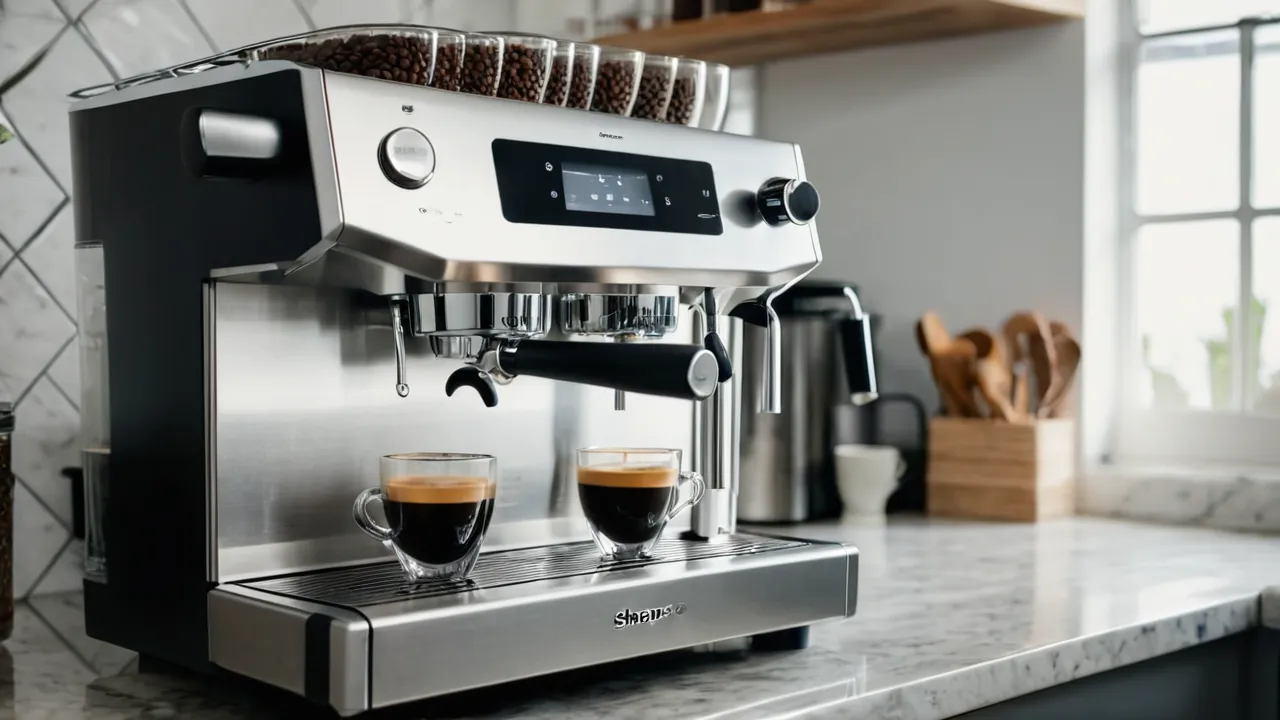
Before putting an espresso machine into a small business, check four things: whether the machine is rated for commercial duty, what the warranty says about business use, how it gets water and drains, and whether your electrical supply can power it. A home machine can serve a small office or a low volume cafe corner, but heavy use shortens its life and may void coverage. If you serve customers all day, a commercial machine with a plumbed in supply, strong steam and local service is the safer choice.
Home espresso machines look similar to small commercial ones, yet they are built for different workloads. The difference shows up as failures, voided warranties and slow service lines. This guide gives a practical checklist for owners deciding whether a home machine is enough.
Start With Volume and Hours
Estimate how many drinks you will make in your busiest hour and across the day. Then think about how many are milk drinks, since those take steam and time. A machine that comfortably makes a few drinks for a household will not keep up with a line of customers.
Questions to answer:
- How many drinks in the peak hour?
- How many hours a day will it run?
- How many baristas will use it, and how skilled are they?
- Do you need to brew while steaming, or can you wait?
For a small office with occasional guests, a home machine can be enough. For a counter that sells drinks through the day, the machine needs to be built for it.
A Peak Hour Worked Example
Suppose you expect twenty drinks in your busiest hour and about half are milk drinks. A semi automatic machine with a single boiler needs time to brew, then switch to steam, then recover, so each milk drink may take several minutes of attention. Even at three minutes a drink, twenty drinks need an hour of nonstop work from one person, with no pauses for cleaning. Those numbers illustrate the method: write your own peak count, multiply by realistic minutes per drink, and compare with the hour. If the total is more than about two thirds of the hour, the setup is too slow for a counter.
Duty Cycle and Build
Duty cycle describes how much continuous or repeated use a machine is designed to handle. Home machines are designed for a limited number of drinks per day, with rest between them. Their pumps, heating elements, valves and switches are sized for that, and they may overheat or wear out under commercial loads.
Commercial machines typically use larger boilers, stronger pumps, thicker components and designs for frequent service. They also often have features that matter in a business, such as plumbed in water, a drain and high steam capacity.
A home machine’s boiler type matters too. Entry machines with thermoblocks cannot recover quickly after repeated shots, and heat exchanger or dual boiler machines are better at back to back drinks. Heat exchanger and dual boiler designs recover faster, which is why they dominate in shops.
Warranty and Commercial Use
Read the warranty carefully. Many manufacturers limit coverage to household use. If you use a home machine commercially, a failure may not be covered, even if the machine is new. Some warranties explicitly void coverage for business use. Check the terms on the manufacturer’s site and, if unclear, ask in writing and keep the reply.
Also check service. Who repairs the machine, and where? A commercial dealer may offer service contracts and loaner machines, while a home brand may require you to ship it. Downtime matters when you serve customers. Ask about parts availability and typical turnaround.
Insurance and regulation matter too. Local health authorities may have rules about equipment used in a food business, including whether it must carry a recognized certification for commercial use. Check with your local health department or licensing office, since requirements vary by location, and ask the manufacturer what certifications the machine holds.
Water, Plumbing and Drain
Home machines use a reservoir you fill by hand. That is fine for a few drinks and a chore at volume. A plumbed in commercial machine connects to a water line and often includes a drain, which removes the refilling and the drip tray emptying.
Plumbing a machine involves a water supply, a filter and a drain, and the work may need a licensed plumber. Check local codes, and landlord permission if you rent. A filter or softener is usually needed to prevent scale, which is the most common cause of failure in a heavily used machine. Choose a water treatment suited to your water hardness, and follow the manufacturer’s instructions. For simpler formats that need less water treatment, see the best coffee maker roundup.
Steam Capacity and Milk Workflow
If you sell lattes and cappuccinos, steam capacity is crucial. Home machines may produce limited steam, so each drink takes longer, and thermoblock machines may need a pause to recover. Commercial machines can steam several drinks in a row. Check steam wand design and boiler size, and think about how many milk drinks you make per hour.
Cleaning the wand after every drink is both a hygiene task and a workflow task. A business needs a routine for wiping, purging and cleaning milk residue, and a plan for the busy periods when it is easiest to skip.
Electrical and Safety
Commercial machines may need dedicated circuits, higher amperage or a different voltage than a standard outlet provides. Home machines run on a standard outlet, but they still draw significant power, and sharing a circuit with other equipment can trip breakers. Check the machine’s electrical requirements in the specification, and have a licensed electrician confirm that your supply is suitable. Do not use extension cords or power strips, and do not modify plugs.
Commercial machines may need a dedicated circuit, plumbing and installation by a professional. Steam wands and boilers reach high temperatures and pressures. Follow the manual, train staff in safe use and keep first aid supplies available. Check the standard your workplace or local authority requires for commercial equipment, and follow it.
Grinder, Training and Consistency
A business needs the same drink every time, which depends on more than the machine. A commercial grinder with fine adjustment, a dosing method and a regular schedule for cleaning burrs matters as much as the espresso machine. A home grinder run for hours can overheat and wear out its burrs, and the retention in the chute causes stale coffee in the first shots of the day.
Training is the other half. A new employee needs to learn dosing, tamping, shot timing and milk texture, and a machine with a forgiving workflow shortens that curve. Write a simple recipe card for each drink, with target dose and shot time to adjust from. A pressurized basket makes training easier but limits quality, and a standard basket gives better flavor with more skill needed.
Daily opening and closing routines protect the machine: flush the group head, backflush if the manual says to, purge and wipe the steam wand, empty the drip tray and check the water supply and filter. Keep a log of cleaning and descaling dates, which helps with warranty claims and health inspections.
Finally, plan for failure. Keep spare gaskets, a spare portafilter basket and the contact for service. A small business that depends on one machine should know what it will do if the machine fails on a busy Saturday, whether that is a backup brewer, a manual method or a short menu.
A Pre-Purchase Checklist for Business Use
- Peak hour drink count and milk share written down.
- Warranty wording checked for business or commercial use.
- Boiler type and steam capacity read from the manual.
- Power requirements confirmed against your electrical supply.
- Water supply planned, including filter and drain if plumbed.
- Local health and licensing requirements confirmed with the authority.
- Service route, spare gaskets and baskets planned.
- Grinder and tamping routine chosen for consistency.
Who Should Choose What
- Choose a home machine if you serve a small office, make a handful of drinks a day and accept the warranty limits.
- Choose a heat exchanger or dual boiler machine if you make many milk drinks and want to brew and steam together.
- Choose a commercial machine if you serve customers throughout the day or need plumbed in water and local service.
- Skip a home machine if the warranty excludes business use and you cannot afford downtime.
- Skip any machine until you have confirmed the electrical supply and water plan.
Compare formats in the coffee makers category.
Frequently Asked Questions
Can I use a home espresso machine for a small business?
At low volume, yes, with caution. Home machines are built for a few drinks a day, and many warranties exclude business use. For a counter that sells drinks through the day, a commercial or heavy duty machine with a service route is a safer choice. Confirm local health rules too.
Will using a home espresso machine commercially void the warranty?
It often does, since many home warranties limit coverage to household use. Read the warranty wording closely and ask the maker in writing if it is unclear. Keep the reply with your order record, and plan for repairs you may have to pay for yourself.
What is the best type of espresso machine for a small cafe?
Cafes generally need a machine with a strong boiler, steady steam and fast recovery, such as heat exchanger or dual boiler designs built for commercial duty. Thermoblock home machines struggle with repeated shots. Match the machine to peak hour demand and confirm service availability before buying.
Do commercial espresso machines need special electrical or plumbing work?
Many do. They can need a dedicated circuit, higher amperage or different voltage, plus a water line, filter and drain. A licensed electrician and plumber should confirm requirements and follow local code. If you rent, ask your landlord before installation.
Final Thoughts
A home espresso machine can work for a small business only at low volume, with eyes open about duty cycle and warranty. Estimate your peak demand, confirm the electrical and water plan, and ask about service before you buy. When customers depend on the machine, choose one built for commercial use. For how we weigh durability and support, read how we review.
Related buying guides
- How Long Do Coffee Makers Last and What Fails First
- How Often to Descale a Coffee Maker or Espresso Machine
- How to Choose a Coffee Maker: Decision Rules
About the author

The BuyOnceChoice Editorial Team researches durable products worth buying once. Our guides compare published specifications, warranty terms, expert review consensus, and verified owner feedback. We do not conduct our own product trials. See How We Review and our Editorial Policy for our standards.