How to Choose a Coffee Maker: Decision Rules
Skip the feature checklist. Use decision rules based on cups per day, cost per cup, descaling effort, and who can safely skip a programmable timer.
 By BuyOnceChoice Editorial Team
Updated November 16, 2026
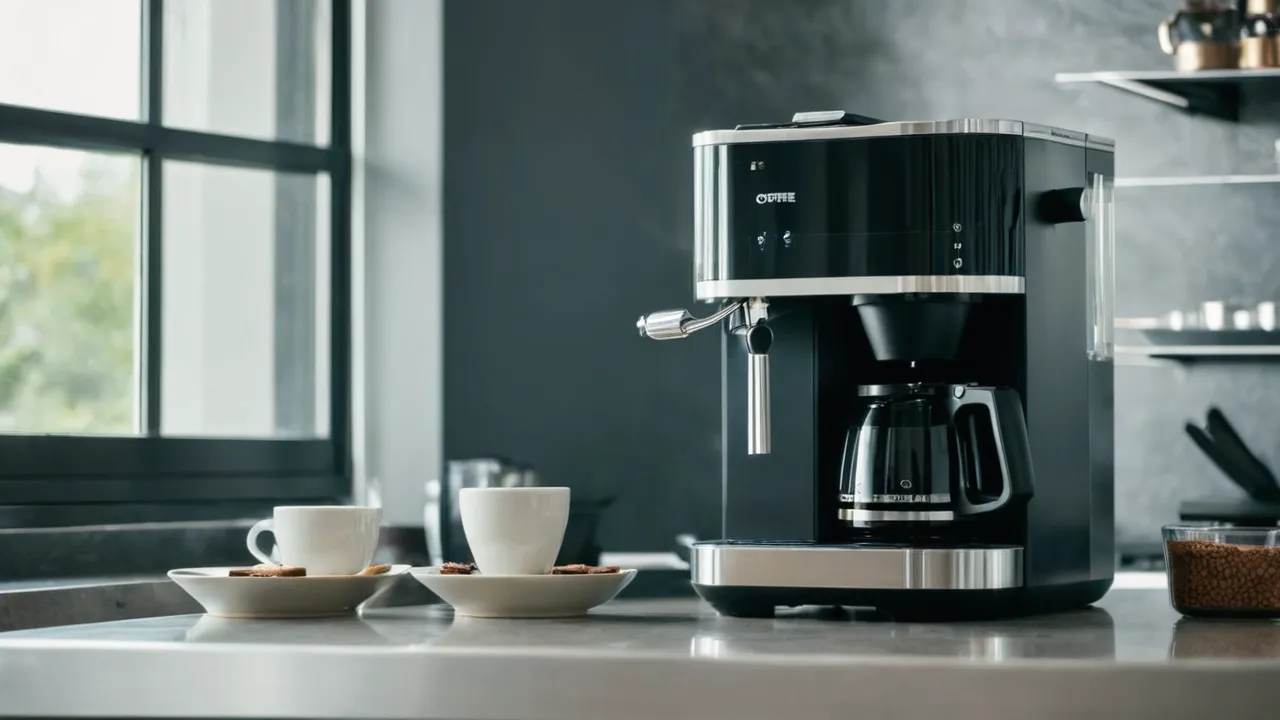
How to choose a coffee maker comes down to four questions: how many cups you pour each day, whether you want a carafe or single servings, how much upkeep you will actually do, and what each cup costs over a few years. Answer those first, and the feature list on the box becomes much easier to read.
Start With Cups Per Day, Not Cup Counts
Marketing cup counts mislead because a coffee maker “cup” is traditionally five ounces, not the eight ounces in a mug. A machine sold as twelve cups usually brews about sixty ounces, which is roughly seven or eight mugs. Check the manufacturer’s stated carafe volume in ounces, since makers differ in how they count.
Write down how many mugs you drink on a typical morning and how many people share the machine. One person who drinks one mug a day needs very little capacity, and a larger carafe just means coffee sits and goes stale. A household that drinks four or five mugs over a morning benefits from a full carafe and a way to keep it warm.
Capacity should also match the machine’s minimum brew size. Some drip machines brew poorly at a fraction of their rated volume, and the manual states a minimum. Pick a machine whose normal batch is close to what you drink.
Carafe Versus Pod: The Real Trade-Offs
A carafe drip machine brews a batch from ground coffee and a filter. It costs less per cup, supports many coffees and grind choices, and serves a crowd in one pass. A pod machine brews one cup at a time from a sealed pod or capsule, which is fast and tidy but typically costs more per cup and creates waste.
- **Choose a carafe** if several people drink coffee, you like choosing your own beans, and you want the lowest running cost.
- **Choose a pod machine** if you live alone, drink one cup at a time, value speed, and accept the higher per cup cost and the pod waste.
- **Consider a reusable pod filter** if you like the single-serve format but want to use your own grounds. Check that your model supports one.
Pod systems also lock you into a format. If the maker changes pod formats or discontinues the machine, supplies can be harder to find. A carafe machine accepts universal filters, which keeps you flexible for years.
Cost Per Cup, Done Honestly
Do not trust a price tag on its own. The machine is a one-time purchase, while beans or pods are a recurring cost. Use this formula, with your own local prices:
1. Cost per cup for carafe coffee equals the price of a bag of beans divided by the number of cups it makes, plus the cost of a filter.
2. Cost per cup for pods equals the price of a box divided by the number of pods.
3. Annual cost equals cost per cup times cups per day times the days you brew in a year.
Then add the machine price divided by the years you expect to keep it. This shows which format truly costs less for you. For a heavy daily drinker, the gap between pods and grounds adds up over a few years, and it often outweighs any difference in machine price.
A Worked Comparison
Imagine two drinkers. One brews a full pot every morning and drinks three mugs. The other pours a single mug each day. For the first, the pot approach spreads a bag of beans across many mugs, and the filter cost is tiny. For the second, a carafe forces a choice between brewing too much and wasting it, or brewing a small batch that the machine may not handle well. A single serve machine fits that person despite the higher cost per cup, because it removes waste and effort.
Write the numbers for your own prices before deciding. If your single serve habit is only a few cups a week, the per cup premium barely matters. If it is several cups a day, the premium becomes a real line in your budget.
Descaling and Cleaning Burden
Every machine that heats water builds mineral scale over time, and the rate depends on your water hardness. Scale slows brewing, changes temperature, and can shorten the life of the heating parts. The manual tells you the cleaning interval and which descaler to use, and using an unapproved product can affect the warranty.
Ask before buying how easy cleaning is: a removable water reservoir, a basket that rinses clean, and a clear descaling procedure. Some models have an indicator light that tells you when descaling is due. If you will not remember a schedule, an indicator helps. If your tap water is hard, factor in more frequent maintenance.
Brew Temperature and Certification Claims
Coffee groups commonly cite a brewing range of roughly 195 to 205 degrees Fahrenheit for good extraction. Some brewers carry a third party certification that says the machine meets a standard for brew temperature and time. If a listing makes this claim, look for the name of the certifying group and the model number on that group’s list, and treat an unsupported claim as unknown. Many machines do not state temperature at all, which is not a defect but means you cannot compare on that point.
Who Should Skip a Programmable Timer
A programmable timer starts the brew before you wake up. It is useful for people who want coffee ready the moment they walk into the kitchen, and it works best with a machine that holds the water and grounds ready for hours.
It is less useful if you wake at inconsistent times, you leave grounds sitting in the basket and dislike stale smell, or you already brew by hand each morning. Skip it too if you use a pod machine, since those heat on demand. Programmable machines add controls and circuit boards, which means more that can fail. If you will not use the timer, a simpler machine is a sound buy-once choice.
Features That Matter and Features That Do Not
A few features affect results and durability, and many do not.
- **A thermal carafe** keeps coffee hot without a hot plate that can scorch it. A glass carafe on a warming plate suits people who drink the whole pot quickly.
- **A removable reservoir** simplifies filling and descaling.
- **Brew pause** lets you pour a cup mid-cycle, a small convenience.
- **Bells like Wi-Fi control or flavor strength dials** are nice to have and mostly irrelevant to taste, so judge them against price and failure risk.
Check the product page for the manufacturer’s statements about brew temperature and brew time, because those influence extraction. If a company does not state them, do not assume.
Also think about where the machine will live and how it gets filled. A tall machine under a low cabinet forces you to pull it forward to fill the reservoir. A machine with a front-fill reservoir or a lid that opens wide saves daily friction. Daily friction is what makes people abandon a machine for a drive-through habit, so counter fit is a durability issue as much as a convenience one.
Finally, look at what the maker publishes about parts. A carafe, lid, or basket that can be replaced separately keeps a good machine running after a breakage. A machine whose parts are not sold is a short-lived purchase, even if the heating system is sound.
Decision Rules in One Place
- If more than two people drink coffee in the morning, choose a carafe machine and read its brew volume in ounces.
- If you drink one mug a day and value speed, consider a pod or single serve machine and run the cost per cup math.
- If coffee sits for hours, choose a thermal carafe rather than a hot plate.
- If your water is hard, choose a machine with a removable reservoir and a clear descaling procedure.
- If you want coffee ready when you wake, a simple timer is enough, so skip app features.
- If you want better taste, look for a maker that states brew temperature and brew time, and treat a missing statement as unknown.
Safety and Setup
Plug the machine into a grounded outlet, keep the cord away from hot surfaces, and never submerge the base. Place it where steam will not hit cabinets. If a machine trips a breaker or the cord feels hot, stop using it and call a licensed electrician or the manufacturer. Follow the manual for descaling products and cleaning.
Frequently Asked Questions
What should I look for when buying a coffee maker?
Start with how many mugs you pour and how many people share it, then choose between a carafe and a pod machine. Check carafe type, removable reservoir, descaling steps, warranty length and replacement parts. Timers and auto shutoff are worth having, while apps and presets add failure risk for little benefit.
How many cups should my coffee maker brew?
Count the mugs you drink and convert using ounces. A coffee maker cup is about five ounces, so a twelve cup machine brews roughly five twelve ounce mugs. Match the carafe to your usual batch, and check the minimum brew size so a small batch still brews well.
Is a drip coffee maker or a pod machine better?
A drip carafe machine costs less per cup and suits households that drink several mugs. A pod machine is convenient for one person who drinks a single cup at a time, but pods cost more per cup and lock you into a format. Run the cost per cup formula with your own prices.
Is a more expensive coffee maker worth it?
Sometimes, but price alone does not tell you. Look for clear warranty terms, replaceable carafe and parts, a stated brew temperature, and sturdy controls. A pricier machine with these traits can last longer, while one loaded with screens and apps may add failure points without improving the cup.
Final Thoughts
Choose by cups per day, then by cost per cup, then by upkeep. A carafe machine suits shared households and the lowest running cost, a pod machine suits one person who values speed, and a timer is only worth paying for if you will use it. Check the manual for ounces, minimum brew size, and cleaning rules. Browse the coffee maker category and the best coffee maker roundup for options, and read how we review to see how we weigh these criteria.
Related buying guides
- How to Clean a Coffee Maker: Weekly and Monthly Routine
- Iced Coffee Makers vs Brewing Hot Coffee Over Ice
- Keurig vs Nespresso: Machine Differences That Matter
About the author

The BuyOnceChoice Editorial Team researches durable products worth buying once. Our guides compare published specifications, warranty terms, expert review consensus, and verified owner feedback. We do not conduct our own product trials. See How We Review and our Editorial Policy for our standards.