How Often to Descale a Coffee Maker or Espresso Machine
Advice ranges from every two months to every six. Build your own descaling schedule from water hardness and daily use, and use the right descaler.
 By BuyOnceChoice Editorial Team
Updated November 16, 2026
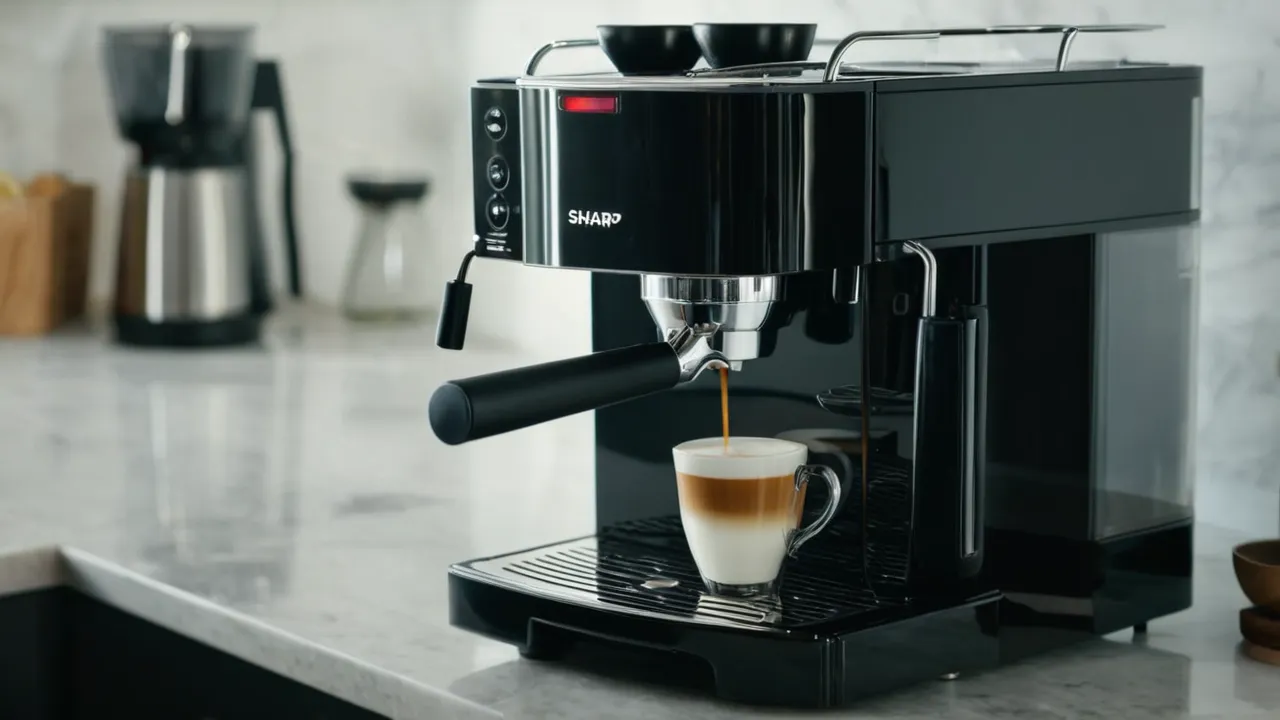
How often to descale a coffee maker depends on three things: how hard your water is, how many brews you run each week, and what the manufacturer says. Advice online ranges from every couple of months to twice a year, so the useful answer is a schedule built from your water report and your machine’s manual, not one number.
Why the Advice Is All Over the Place
Descaling removes mineral scale, mostly calcium and magnesium deposits left when hard water is heated. Scale builds slowly in a machine that brews a few cups a week on soft water, and quickly in a machine used daily on hard water. A source that says every two months may be thinking of hard water, and one that says twice a year may be thinking of soft water or light use.
Machine design matters too. A drip maker heats water in a small tube or reservoir element, so scale affects flow and temperature. An espresso machine with a boiler or thermoblock has narrow passages and a steam system, and it is more sensitive to deposits. Some machines run a cleaning indicator, which tells you when to descale based on use.
Since the sources disagree, anchor to your own conditions.
Step One: Find Your Water Hardness
Your water utility publishes an annual quality report, and it usually lists hardness in grains per gallon or milligrams per liter. You can also use hardness strips sold for aquariums or home use. Your result places your water on a rough scale from soft to very hard. If you use filtered or bottled water, the hardness depends on that source, so check the label or the filter maker’s information.
Write the number down for later reference, because you will use it in the schedule below. If you move, switch filters, or add a softener, update it. A water softener changes the picture a great deal, and the manual may advise against softened water in some machines because of the salt content, so check.
Step Two: Start From the Manual
The manual is your first authority. Many makers give an interval, such as a number of months or brew cycles, or a built in alert that lights up when descaling is due. Following the manual also protects your warranty, since some makers require specific descalers and procedures.
If the manual states a range, use the shorter end for hard water and daily use, and the longer end for soft water and light use. If it gives no guidance, use the framework below as a starting point and adjust to what your machine tells you.
Step Three: A Starting Schedule
Use this as a general framework only. It is not a manufacturer rule.
| Water hardness | Light use (a few brews per week) | Daily use |
|---|
|—|—|—|
| Soft | Every 4 to 6 months | Every 3 to 4 months |
|---|---|---|
| Moderate | Every 3 to 4 months | Every 2 to 3 months |
| Hard or very hard | Every 2 to 3 months | Every 1 to 2 months |
Treat these ranges as rough starting points rather than manufacturer figures, since makers differ and some give only a few descales a year for soft water, so the manual comes first. Then adjust based on symptoms. Slower brewing, longer heating, louder pumping, a weaker steam wand, a change in taste, or a visible white crust are signs that scale is building up and descaling is due earlier than planned. If you see none of these and your manual allows it, you can stretch the interval a little.
A Simple Log That Makes the Schedule Work
Write the date of each descale on a sticky note under the water tank or in your phone calendar, with a reminder set for the next due date. Note how the machine behaved before and after, such as slow flow or noisy pumping. After two cycles you will see whether your interval is too long or too short. If symptoms show before the date, shorten the interval, and if the machine looks clean at each service, you can extend it slightly within the manual’s range.
Use the Right Descaler
Not all descalers are equal. Some machines specify a product from the maker, and using a different one can affect the warranty. Some descalers are based on citric acid, some on lactic or sulfamic acid, and each reacts differently with metals and seals in different machines. Vinegar is popular online, but some makers advise against it because of odor, seal wear, or incomplete rinsing, so check the manual before using it.
Safety points matter here:
- Use only the descaler the manufacturer approves.
- Never mix descalers with bleach, other cleaners, or each other.
- Rinse fully by running several cycles of fresh water until no smell or taste remains.
- Ventilate while you work, and keep descaling solution away from skin and eyes, following the label.
- Do not drink the descaling solution or serve the first brews after cleaning.
Worked Examples
Take a household with moderate hardness that brews one pot of drip coffee every morning. That is daily use, so the framework suggests every two to three months. If the manual says every three months, choose that, and watch for slow brewing as a signal to go sooner.
Now take an apartment with soft water and a single drinker who brews a few cups a week. The framework points to every four to six months, and the manual’s longer interval would be fine. Setting a calendar reminder is better than relying on memory, because the habit is what fails.
Finally, take an espresso owner with hard water who pulls several shots and steams milk daily. The framework says every one to two months, and the manual may call for a built in program as well. Because boiler machines have narrow passages, this owner benefits from filtered water and a conservative schedule. If the machine has a descale light, follow it and do not ignore it.
Signs You Waited Too Long
Scale does not announce itself loudly. Look for these changes.
- Brewing takes noticeably longer than it used to.
- The pot comes out cooler or the shot runs weak.
- The machine makes a louder pumping or gurgling sound.
- A white or gray crust appears on the shower screen, steam wand, or inside the reservoir.
- Steam output drops on an espresso machine.
- Coffee tastes flat or has an off flavor.
If several appear together, descale and then recheck. If problems persist after descaling and rinsing, the cause may be a clogged part or a failing pump, and the manufacturer’s service is the next step. Do not disassemble the heating system yourself. For anything involving wiring or a sparking cord, contact a licensed electrician or the manufacturer.
Also remember that scale and warranty are linked. Some makers decline claims when a machine shows heavy scale and the owner cannot show a descaling routine. Keeping a simple log of dates is worth the minute it takes.
How to Run a Descale Cycle Safely
1. Unplug the machine and empty the water tank and any grounds or pods.
2. Mix the approved descaler with water as the label directs, using the amount of water the manual states.
3. Run the cycle as the manual describes, pausing if the instructions call for it.
4. Rinse the tank and run several full tanks of fresh water through the machine until no taste or smell remains.
5. Wipe the tank, lid and drip tray, and note the date.
Never mix descalers with bleach or other cleaners, keep the area ventilated, and keep children and pets away from the solution. If the manual or maker says something different from these generic steps, follow the manual.
Prevention Between Descales
You can lengthen the interval with simple habits. Use water suited to your machine, since softer water means less scale. Empty the reservoir if the machine sits unused for days, and leave the lid off to dry. Use a filter if the manual supports one, and replace it on schedule. Wipe the steam wand and rinse the group head, because milk residue and oils cause their own problems.
Water filters and pitchers help, though they differ in how much hardness they remove. Treat a filter as a way to slow scale, not stop it, and keep your schedule.
Frequently Asked Questions
How often should I descale my coffee maker?
Follow the manual first. As a general framework, descale every few months for moderate water and daily use, sooner for hard water or heavy use, and less often for soft water and light use. Adjust if brewing slows, coffee comes out cooler or you see white crust.
Can I use vinegar to descale a coffee maker?
Some makers allow white vinegar for drip machines and others forbid it, because it can leave odors or harm seals in certain machines. Check your manual. If it names an approved descaler, use that, rinse thoroughly with several tanks of fresh water, and never mix vinegar with other cleaners.
How do I know my espresso machine needs descaling?
Common signs are slower flow, longer heating, louder pumping, weak steam, a change in taste and a white or gray crust on the shower screen. Many machines also show a descale alert. If symptoms persist after descaling and rinsing, a clogged part or failing pump may be the cause.
Does using filtered water mean I never have to descale?
No. Filters slow scale but do not stop it, and cartridges wear out. Keep to your schedule, replace filters on time and adjust the interval if signs of scale appear. Check the manual, since a few machines have specific filter requirements and descale alerts.
Final Thoughts
Find your water hardness, read the manual, and then pick an interval from the framework above, adjusting for use and symptoms. Use only the descaler your maker approves, rinse thoroughly, and never combine chemicals. If you are unsure, follow the manual’s interval rather than a general online claim. Browse the coffee maker category and the best coffee maker roundup for machines with clear cleaning indicators, and see how we review for how we weigh upkeep in our picks.
Related buying guides
- How to Choose a Coffee Maker: Decision Rules
- How to Clean a Coffee Maker: Weekly and Monthly Routine
- Iced Coffee Makers vs Brewing Hot Coffee Over Ice
About the author

The BuyOnceChoice Editorial Team researches durable products worth buying once. Our guides compare published specifications, warranty terms, expert review consensus, and verified owner feedback. We do not conduct our own product trials. See How We Review and our Editorial Policy for our standards.