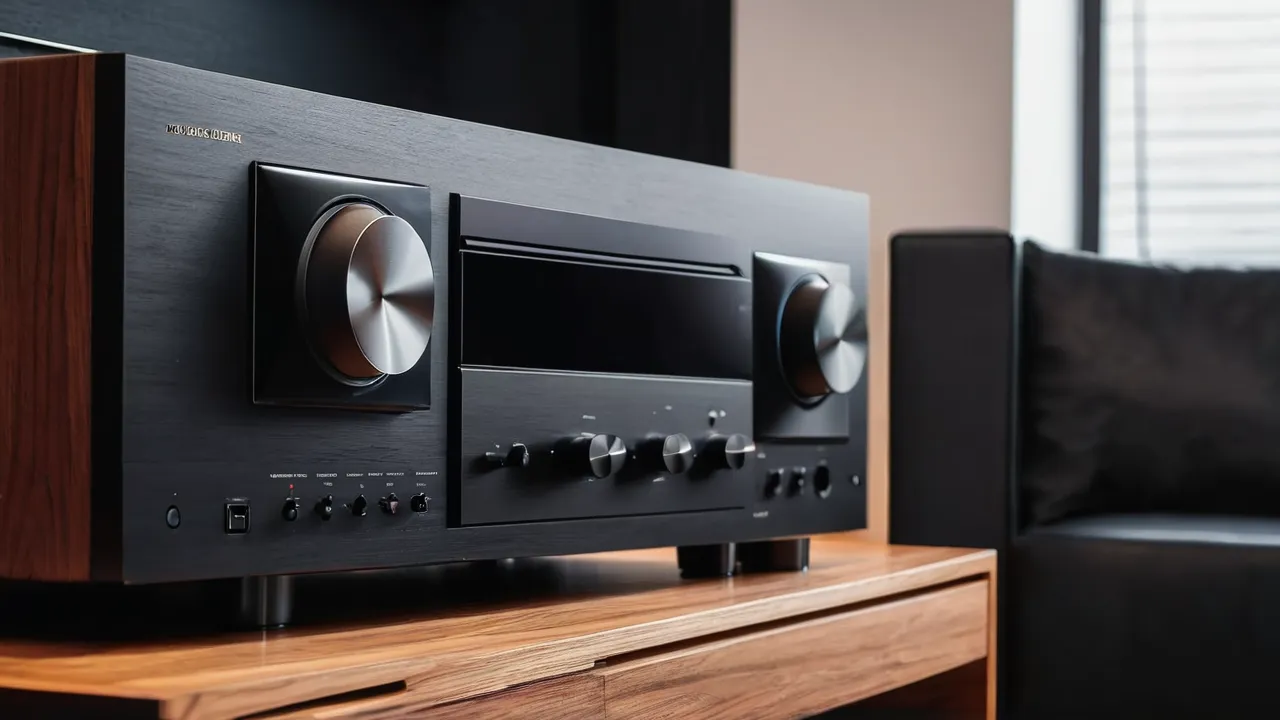
Bi-Wiring vs Bi-Amping Speakers: Is It Worth It?
Bi-wiring uses two cable runs to one amplifier, and bi-amping uses two amplifier channels per speaker. Most people can skip…
AV receivers and floor-standing speakers built for 15 to 20 years of serious listening. We evaluate amplifier topology, build quality, and long-term firmware and driver support before recommending anything anchoring a home theater or stereo system.
Bi-wiring uses two cable runs to one amplifier, and bi-amping uses two amplifier channels per speaker. Most people can skip…
Virtual height processing adds some sense of space from regular speakers, but it does not match real overhead speakers. Know…
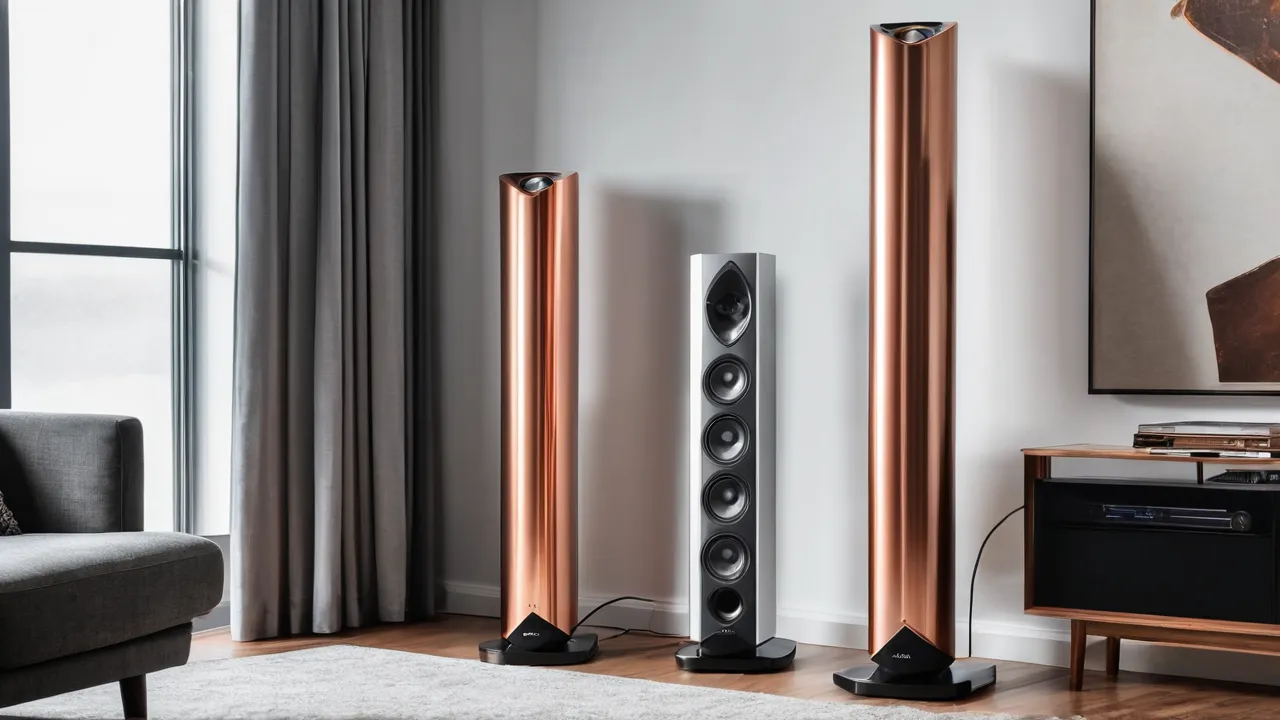
Pure copper conducts better than CCA at the same gauge. CCA can suit short modest runs if sized up, but…
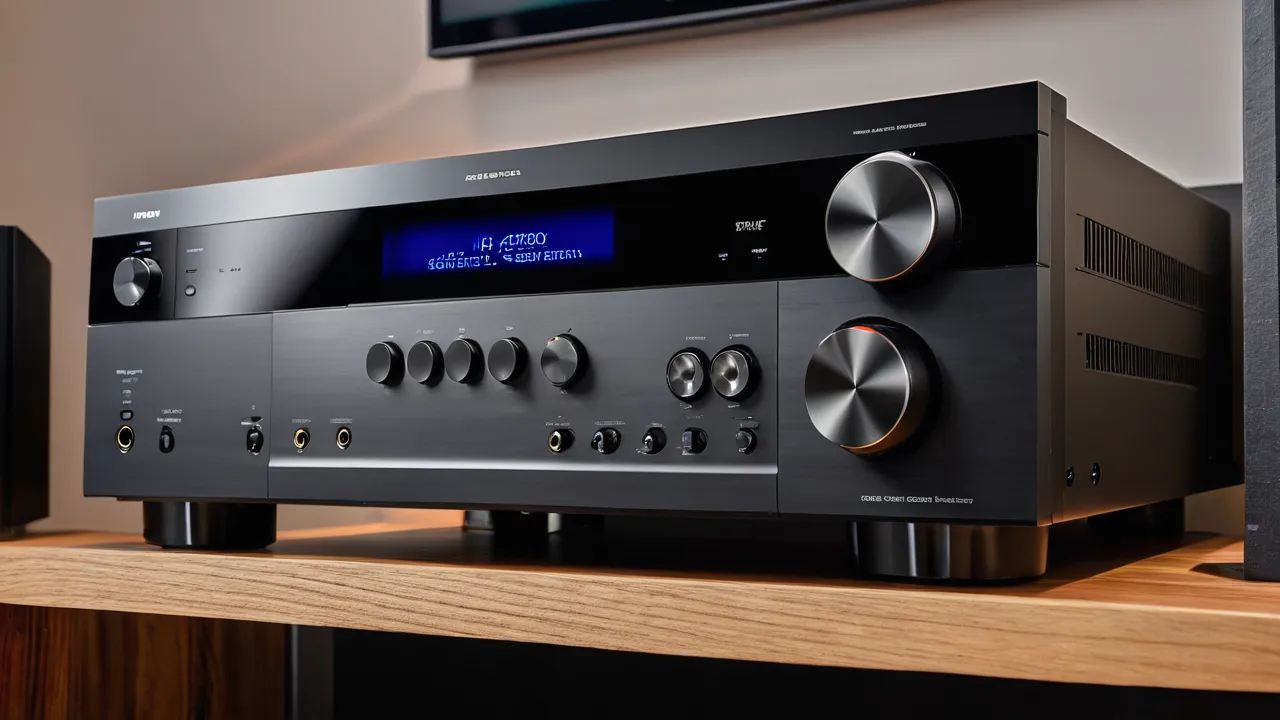
Compare eARC and ARC by format support and bandwidth, learn the fallback rules when one device lacks eARC, and follow…
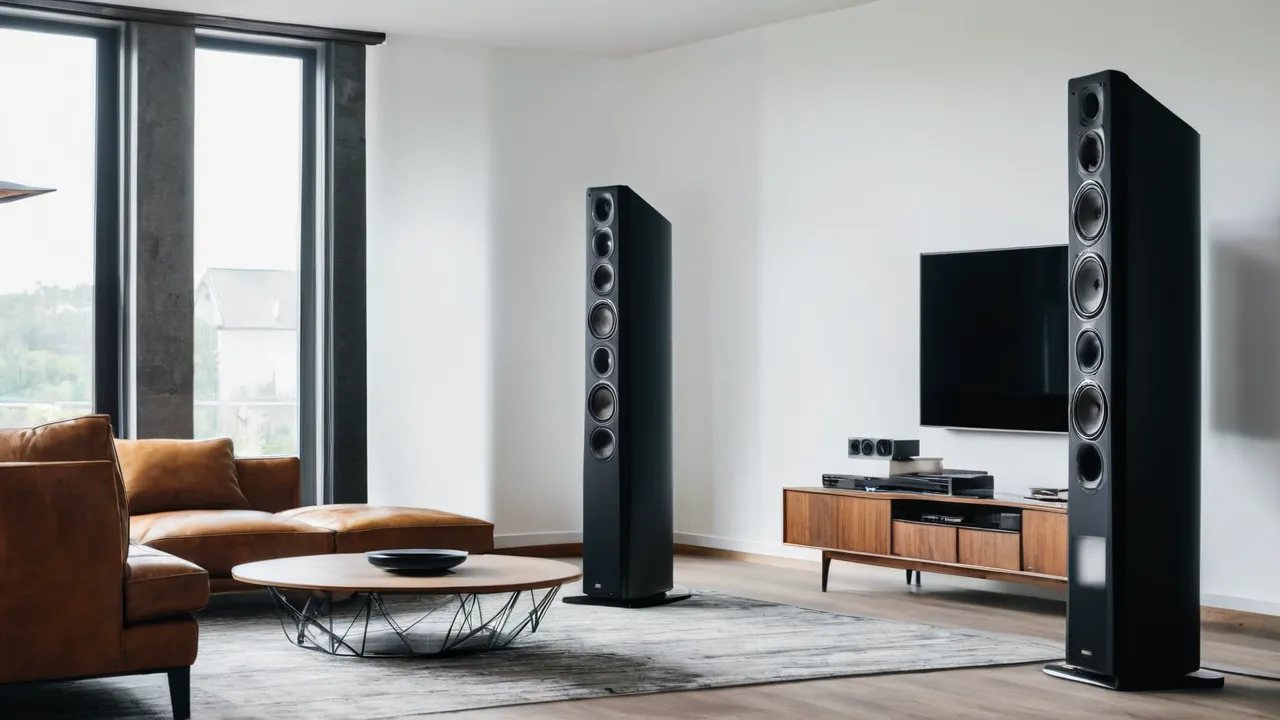
Pick a viewing distance from your screen size, then place speakers around that seat. Keep the seat off the back…
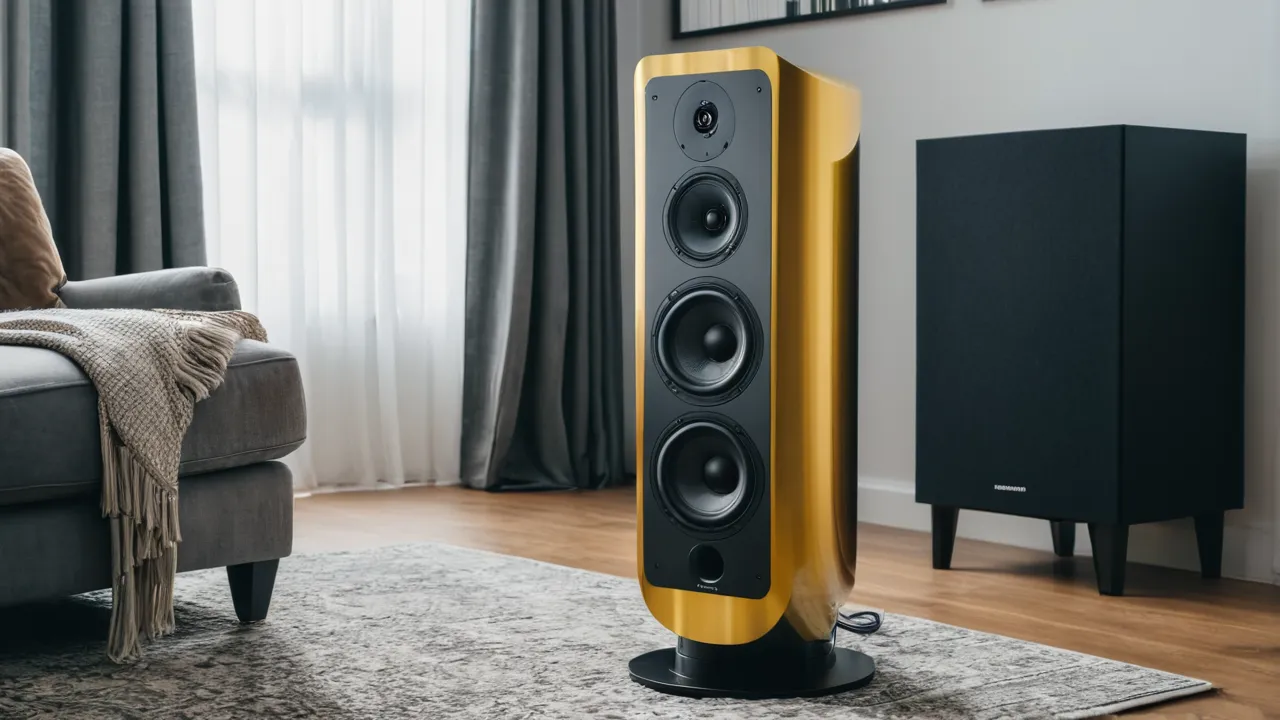
Banana plugs make connections quick and tidy, while careful bare wire works too. Check terminals, power off first, and avoid…
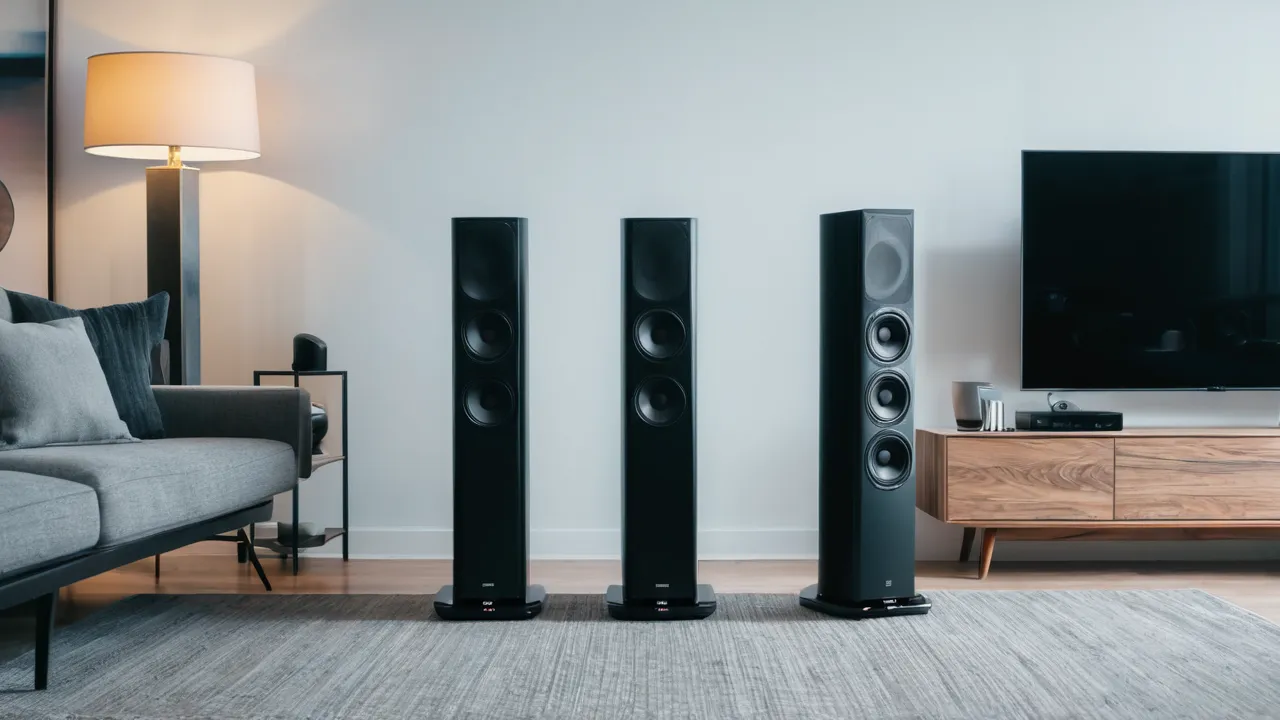
Wireless saves cable work today but ties you to one ecosystem and its software support. Wired speakers cost more effort…
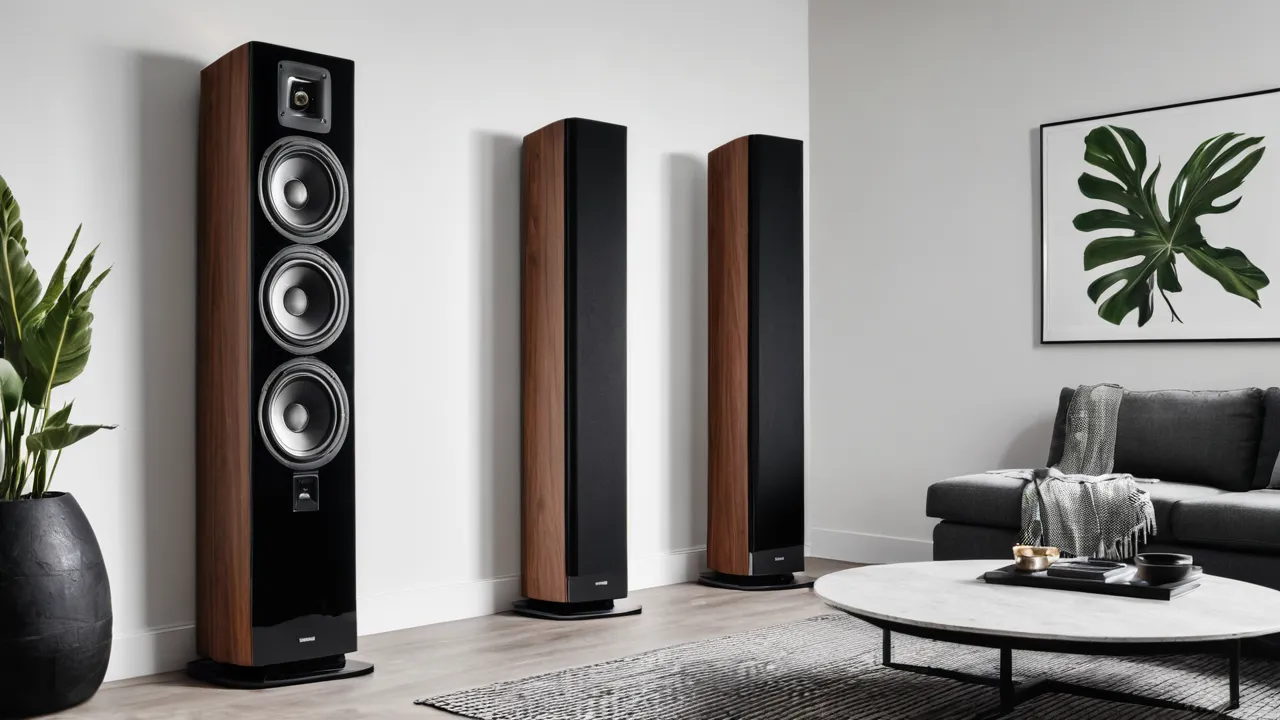
Renters should skip the saw and pick on-wall or freestanding. Owners can choose in-wall for fronts and in-ceiling for heights.…
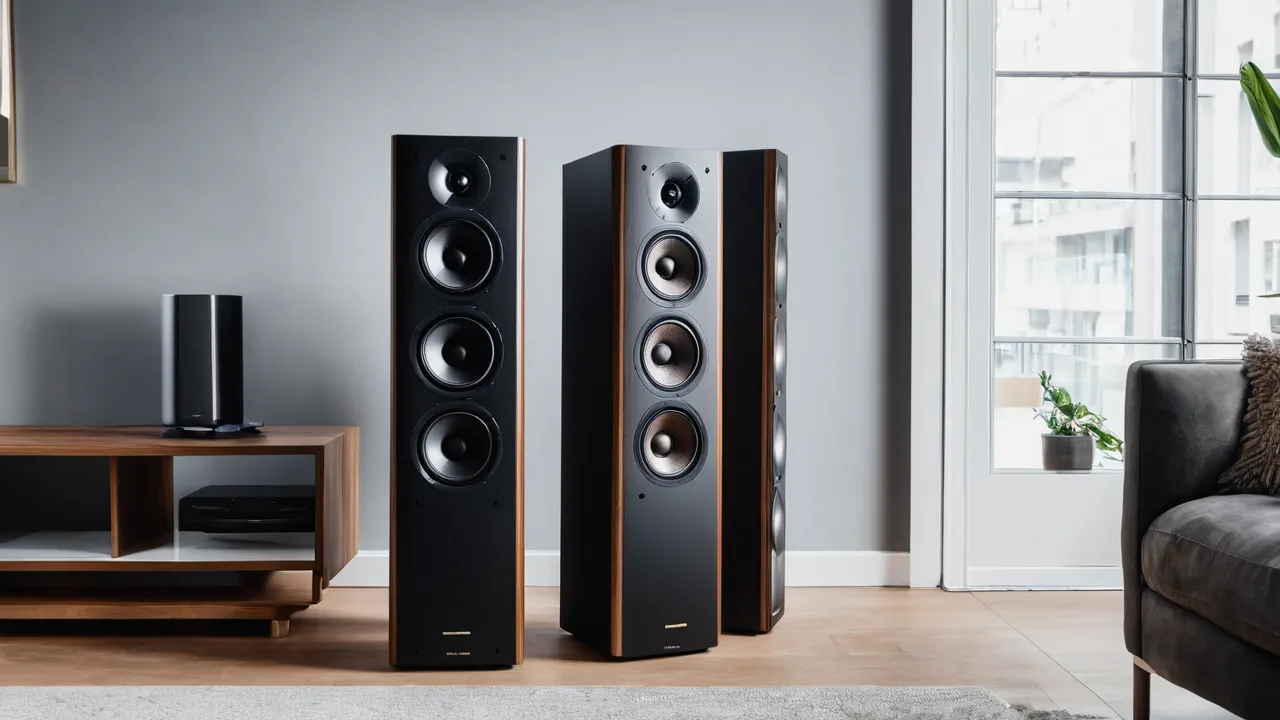
A powered pair has its amplifier built in, a passive pair needs a receiver. Compare total cost, inputs, wiring and…
A turntable cannot drive speakers alone. Learn the phono stage, built-in preamp and powered versus passive paths, with the wiring…