Espresso Machine Pressure and Portafilter Basics
What espresso machine pressure bars really mean, how pressurized and standard portafilter baskets differ, and which fits your grinder and patience.
 By BuyOnceChoice Editorial Team
Updated November 16, 2026
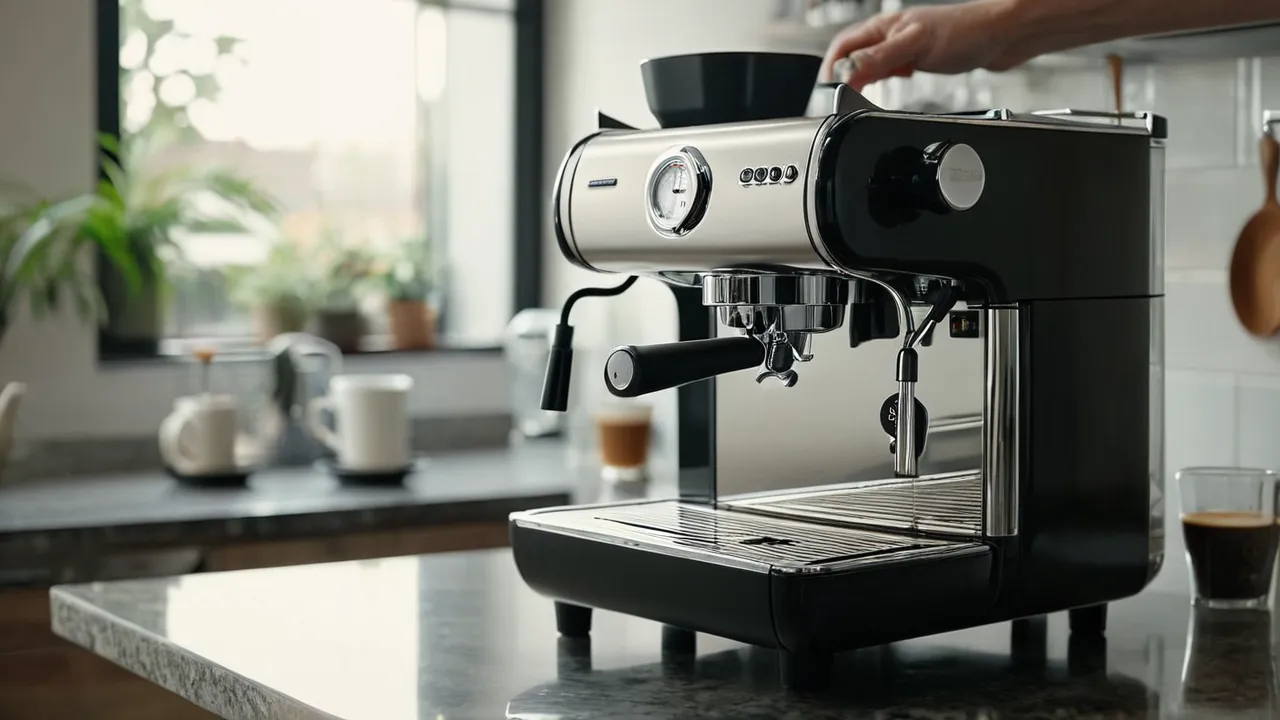
The bar rating on an espresso machine box, such as fifteen or nineteen bar, describes the pump’s maximum, not the pressure at the coffee. Brewing is commonly done around nine bar, controlled by a valve, and a higher number does not mean better espresso. What matters more is the basket. A pressurized basket forgives coarse or uneven grounds and produces foam easily, while a standard basket needs a fine, consistent grind and good technique but gives better flavor control. Match the basket to your grinder and patience.
Espresso marketing leans on big numbers. This guide cuts through them, explains what a bar is, and shows how pressurized and standard baskets work so you can choose a machine that suits the way you will actually brew.
What a Bar Is and Why the Number Misleads
A bar is a unit of pressure, roughly the air pressure at sea level. Espresso is made by forcing hot water through finely ground coffee, and the resistance of the coffee puck creates the pressure at the group head.
Many entry machines advertise fifteen or nineteen bar. That figure refers to the maximum pressure the pump can generate when nothing resists it. During brewing, the pressure at the puck is lower. Specialty coffee practice commonly cites about nine bar at the group head as the working pressure, and better machines include a pressure limiting valve, often called an OPV, that holds extraction near that level. Some machines have a gauge, which lets you see what is happening.
So a machine that claims a very high bar does not make stronger espresso. What matters is that the pressure is stable, the water temperature is stable and the coffee puck is prepared well. A pump rated for more than you need is not harmful, but it is not a benefit either, and it is often a sign that the marketing copy is chasing numbers.
Pressurized Baskets Explained
A pressurized basket, also called a dual wall basket, has a small exit hole or a double layer that builds pressure inside the basket regardless of how finely the coffee is ground. Water has to pass through a restriction before it exits, which produces a stream that foams on its way out and mimics crema.
Advantages:
- Forgiving of coarse or pre-ground coffee and uneven grinds.
- Produces a foamy layer easily, even from stale coffee.
- Works with simple grinders, or with pods designed for the machine.
- Less sensitive to tamping pressure.
Limits:
- The flavor is less nuanced because extraction is not controlled by the coffee itself.
- The foam can be airy and not true crema from oils.
- It hides problems, so you learn less from each shot.
- The basket’s small hole can clog with fine grounds and needs cleaning.
Pressurized baskets are common on entry level machines, and they are a sensible way to start if you have a basic grinder.
Standard (Non-Pressurized) Baskets
A standard basket has many tiny holes and relies on the coffee puck to create resistance. You need a fine grind, an even dose and a firm, level tamp. If the grind is too coarse, the water runs through quickly and the shot is weak and sour. If it is too fine or tamped too hard, the water runs slowly and the shot is bitter, and the machine may struggle.
Advantages:
- Better flavor clarity and control, since you can adjust grind, dose and tamp.
- True crema from coffee oils when the beans are fresh.
- A basket you can inspect, clean and replace.
Limits:
- Requires a grinder with fine, consistent adjustment.
- Takes practice, with some wasted coffee during learning.
- Poor results with stale or pre-ground coffee.
Many machines include both basket types, and you can start with pressurized and move to standard as your grinder and skills improve. Check whether the machine includes both and whether the portafilter accepts third party baskets.
What Pressure Matters
The figure most often cited for espresso extraction is about nine bar at the group head, which is roughly 130 pounds per square inch. Many machines include an over pressure valve that limits the pump to that level during brewing, even when the box advertises a higher maximum. A machine that holds steady pressure and steady temperature will give more repeatable shots than one that simply lists a big number. If a pressure gauge is present, check the manual for how to read it, since gauges can show pump pressure instead of group pressure.
Portafilter Size and Build
The portafilter is the handle with a basket that locks into the group head. Machines use different diameters, and the size determines which baskets, tampers and accessories fit. Common sizes include 51, 54, 58 and others, and the larger sizes tend to be used on more capable machines. Check the product page for the diameter, because tampers and replacement baskets are sized to it.
Material matters for durability. A heavy portafilter with a solid body holds heat and feels stable, while a lightweight one may lose heat and flex. The basket should be stainless steel and replaceable. Check the group head gasket, since it wears and needs replacing, and see whether parts are sold. Water temperature stability, which depends on the boiler design, is the other half of the equation.
Dose, Tamp and Puck Basics
If you move to a standard basket, a few habits make the difference. Dose consistently, ideally by weight on a small scale, since a gram or two changes the flow. Distribute the grounds evenly in the basket before tamping, so that water does not find a channel through a thin spot. Tamp level and firmly, and do not twist. A tamper that fits the basket diameter closely helps. Lock the portafilter in and brew promptly, since a hot group head cooks the dry coffee if you wait.
Judge the shot by time and taste, not only by the clock. As a rough starting point, many people aim for a shot that begins to flow within a few seconds and finishes in under half a minute, then adjust the grind finer if it runs too fast and sour, or coarser if it runs too slow and bitter. Use the manual or a trusted guide for starting ratios, and change one variable at a time.
A pressure gauge is useful if the machine has one, but it is not essential. A machine with a limiter valve holds extraction near the intended level, and some machines let you adjust it. Adjusting the valve is a service task on many models, and the manual or a qualified technician should guide it. Never tamper with a safety valve.
Cleaning keeps all of this working. Backflush if the manual describes it, brush the group head and rinse the basket after each session. Oils build up in the basket holes, and a clogged basket changes flow. Replace the group gasket when it hardens, and descale on schedule.
Which Setup Fits You
- If you use pre-ground coffee or an entry grinder, buy a machine with a pressurized basket and do not worry about bar numbers.
- If you have a good burr grinder and want control, buy a machine that accepts standard baskets and a pressure gauge or a reliable limiter.
- If you want to learn, choose a machine with both basket types.
- Skip chasing a high bar rating, since it is not a quality signal.
- Skip a standard basket if you do not plan to buy a decent grinder.
For comparing machine types, browse the coffee makers category and the best coffee maker roundup.
Questions to Ask Before You Buy
- Is the pump rating the only pressure figure given, or does the maker mention a pressure limiting valve?
- Does the machine include both pressurized and standard baskets?
- What is the portafilter diameter, and are replacement baskets sold?
- Is the portafilter solid metal, and does the handle feel balanced?
- Does the manual describe backflushing or other group head cleaning?
Skipping these questions is how people end up with a high bar machine they cannot get good shots from.
Safety Notes
Never remove the portafilter while the machine is brewing or under pressure. Wait until the pressure is released and the machine is idle. The portafilter, basket and group head are hot, and hot water can splash. Pressurized components should be used per the manufacturer’s instructions. Do not modify safety valves, and plug the machine directly into a grounded outlet. Follow the manual, and call a qualified technician for repairs.
Frequently Asked Questions
How many bars of pressure do you need for espresso?
About nine bar at the group head is the commonly cited target, so a pump rated for fifteen bar is usually fine if the machine limits pressure. A higher bar number on the box does not mean better espresso. Stable pressure, temperature and a good grinder matter more.
What is a pressurized portafilter basket?
It is a basket with a small exit hole or double wall that builds pressure inside the basket regardless of grind. It tolerates coarse or pre-ground coffee and produces foamy crema, but the flavor is less nuanced. It is a forgiving starting point for people with basic grinders.
What does the bar rating on an espresso machine mean?
It describes the maximum pressure the pump can generate when there is no resistance, not the pressure at the coffee puck during brewing. Real brewing pressure depends on grind, dose and tamp, and many machines limit it with a valve. Use the bar number only as a rough pump indicator.
Can I switch from a pressurized to a standard basket?
Many machines include both basket types or allow replacement baskets of the right diameter. Move to a standard basket when you have a grinder with fine, consistent adjustment, and expect a learning period. Check that the portafilter size is standard enough for replacement baskets, and follow the manual.
Final Thoughts
Ignore the bar number on the box and focus on the basket, the grinder and the temperature stability. A pressurized basket gets you decent foamy shots with little skill, and a standard basket rewards a good grinder and practice. Check portafilter size, basket options and parts availability. For more on how we compare machines, read how we review.
Related buying guides
- Espresso Machine Repairability: Parts and Warranty Checklist
- Home Espresso Machine for Small Business: What to Check
- How Long Do Coffee Makers Last and What Fails First
About the author

The BuyOnceChoice Editorial Team researches durable products worth buying once. Our guides compare published specifications, warranty terms, expert review consensus, and verified owner feedback. We do not conduct our own product trials. See How We Review and our Editorial Policy for our standards.