ASTM F2413 Safety Toe Ratings Explained: I/75 C/75 and More
Read the label inside a safety boot, decode each code, and learn which repairs or insole swaps can quietly undo the protection printed on it.
 By BuyOnceChoice Editorial Team
Updated November 16, 2026
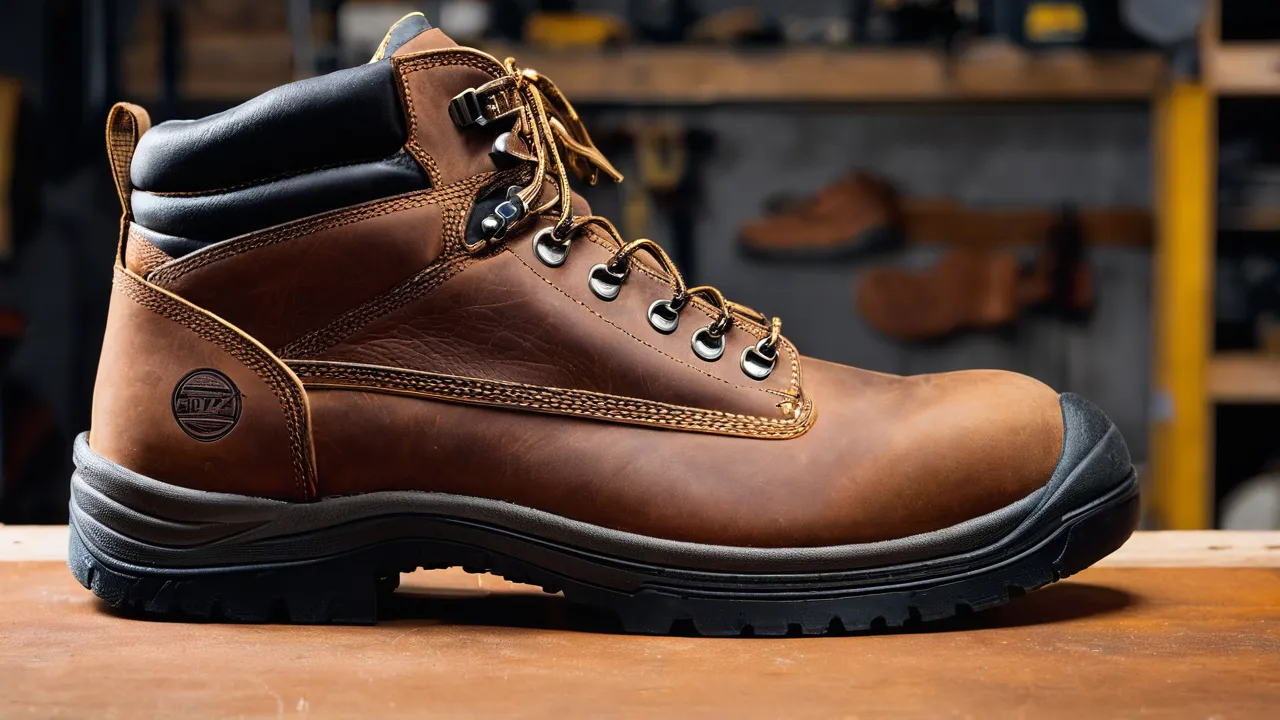
ASTM F2413 explained in one line: it is the US performance standard for protective footwear, and the short code string on the tag sewn inside a safety boot tells you which requirements that boot was built to meet, such as toe impact, toe compression, electrical hazard or puncture resistance. If the codes on your tag do not match what your employer requires, the toe material does not matter.
Why the tag matters more than the toe material
Buyers often shop by toe material (steel, composite, alloy) and assume that choice determines protection. It does not. The standard sets performance levels, and any material that meets them earns the same impact and compression marking. A composite toe and a steel toe can both carry identical top-level codes. That is why the tag, not the product title, is the document to read before you buy or before you start a new job.
ASTM F2413 is a specification for protective footwear. It lists requirements, and manufacturers who certify to it print the result on the boot. In the United States, workplace foot protection rules generally point to consensus standards like this one, so a safety manager will ask to see the tag. Stores and listings may paraphrase it, and paraphrases drop details. The sewn-in label is the source.
This guide is general information, not compliance advice. Your employer or safety officer decides which markings your job requires, and their answer overrides anything printed here. When in doubt, read the standard’s current text or the manufacturer’s documentation.
A real tag, read line by line
Tags vary in layout, and the format has changed between editions of the standard. Most follow the same order: the standard number with an edition suffix, a gender code, the toe impact and compression ratings, then any added hazard codes, often on a second line. An example reads like this: the standard, then M, then I/75, then C/75, then EH. Here is how each piece reads.
- Standard number and edition: the reference to ASTM F2413 followed by a two digit edition suffix. Ask your safety officer whether a current edition is required or whether an earlier one is accepted.
- Gender code: M for men’s and F for women’s. The designation matters because caps are sized and certified per last. Do not assume a men’s tag applies when you buy a women’s size, or the reverse.
- I/75: the impact rating for the toe area. 75 is the level most current tags show. Older boots may show a lower level, so confirm yours reads at the level your site expects.
- C/75: the compression rating for the toe area. Some newer tags print the compression code in a shortened form, so do not panic if the layout differs from an older boot.
- Added codes: Mt for metatarsal protection, Cd for conductive, EH for electrical hazard, PR for puncture resistant, SD for static dissipative. Each code means a separate set of requirements was met, and a boot can carry several or none.
If a code you need is missing, the boot does not claim that protection, even if marketing copy hints at it. Words like “safety toe” in a product title mean the toe cap exists. They do not tell you which levels or hazard codes apply.
What each added code is for
Added codes solve different problems, and some conflict with each other. Choosing among them is a hazard question, not a comfort question.
Electrical hazard and the conductive pair
EH is meant to reduce the chance that the boot itself becomes part of a circuit when it contacts an energized surface under dry conditions. It is secondary protection only, and it does not replace insulated tools, rubber gloves or lockout procedures. Cd and SD sit at the opposite end: conductive and static dissipative boots are designed to drain charge, which suits environments where static discharge is the hazard. Electrical hazard and static control properties work against each other by design, so one boot does not normally claim both. If you work around explosive atmospheres or sensitive electronics, ask which one the site requires before you buy. Static dissipative codes also carry a resistance range number, so ask which range your site specifies.
Puncture resistance and metatarsal guards
PR means the boot has a plate or fabric layer meant to resist a nail or sharp object coming up through the sole. It protects the area the plate covers, not necessarily the whole boot. Mt means a guard over the top of the foot, usually a rigid or semi-rigid external or internal piece. Both add weight and stiffness. Roofing and demolition crews tend to need PR. Heavy material handling and drilling floors often point to Mt. A warehouse picker rarely needs either, and carrying the extra stiffness all day is a real cost.
What resoling and insoles can do to the marking
The tag certifies the boot as manufactured. Changes afterward are where buyers get caught.
A factory recraft by the original maker generally keeps the construction within the original design, and some makers will state whether the marking still applies. A local cobbler replacing the sole with a different unit changes the boot, and the original tag may no longer describe what you are standing in. If a safety officer inspects your boots, a worn tag and a nonstandard sole are two reasons they can reject them. Before you spend money on a resole, ask the maker or the cobbler in writing what happens to the certification.
Aftermarket insoles raise a quieter question. Electrical hazard protection and static dissipative behavior depend on the materials between your foot and the floor. A foam insole is not a conductor, which is generally fine for EH, but a metallic or carbon-loaded one could be a problem, and some insoles insulate a boot that was meant to dissipate static. Toe clearance matters too. A deep insole raises your foot toward the cap, and a cap that rubs the top of your toes is both uncomfortable and a sizing error you may be tempted to fix the wrong way.
The safest routine is simple. Read the insole instructions, confirm with your employer if you wear EH, Cd or SD boots, and keep the original insole if you are unsure.
A buyer’s checklist before you pay
- Ask your employer or safety officer for the exact codes required, in writing if the job depends on it.
- Open the product page and look for a photo of the sewn-in tag, or the codes in the specification list. If the page only says “safety toe” or “ASTM compliant”, treat that as unconfirmed.
- Confirm the gender code matches the size you are buying.
- Check that you are not mixing EH with Cd or SD requirements.
- When the boots arrive, read the actual tag against the listing. If they differ, return them.
- Photograph the tag. Labels fade and tongues get scuffed, and a photo is a record when you need to show compliance.
The tag-first approach also saves money. Buyers who shop by toe material tend to pay for a feature (composite, alloy) that does not change the rating, while missing the hazard code that does. Our work boots category groups guides by construction and hazard type, and the broader buying guides section is where you can find companion explainers.
Who should read the tag closely and who can relax
Read it closely if you work on a construction site, in a shop, a plant, a utility, or for any employer with a written footwear policy. Also read it if you are buying for a crew, because one wrong order is lost time for several people.
You can relax if you are buying a boot for personal use with no policy attached, where a safety toe is simply a preference. The codes still tell you what you are paying for, but there is no compliance consequence. A tag is only as good as the boot it is sewn into: fit, sole condition and construction decide whether you will wear it every shift.
If your needs are mixed, for example a home renovator who occasionally works near live circuits, buy to the strictest requirement you realistically face and treat everything else as a bonus. Our review process page explains how we frame claims like these, and why we point you back to manufacturer documents instead of repeating specs we cannot verify.
Frequently Asked Questions
What does I/75 C/75 mean on a safety boot?
It means the toe area met the standard’s top defined levels for impact and compression resistance. I/75 is the impact rating and C/75 is the compression rating. Both are printed on the tag inside the boot. Some newer tags shorten the compression code, so check the manufacturer documentation if your label looks different.
Can a boot be both electrical hazard and static dissipative?
Normally not. EH boots are built to resist current flow, while static dissipative and conductive boots are built to drain charge. The two properties work against each other. Ask your safety officer which one your site needs, and confirm the codes on the tag before buying.
Does a composite toe have a lower rating than steel?
No. The standard rates performance, not material. A composite, alloy or steel toe that meets the requirements carries the same impact and compression marking. Differences show up in weight, thickness and how the toe conducts cold or heat, so choose on comfort once the codes match your requirement.
Is my boot still compliant after a resole?
Not necessarily. The tag describes the boot as built. A different sole can change its construction, and some makers void the marking after third party work. Ask the manufacturer or your safety officer in writing before you resole boots you rely on for compliance.
Final Thoughts
Learn the five or six codes, read the tag on the boot rather than the listing, and ask what a resole or an insole does to the certification before you change anything. The toe material is a comfort and weight decision. The codes are the protection decision. When the two conflict, the codes win, and your employer’s requirement outranks both.
Related buying guides
- Boot Resole Cost: What You Will Pay and When It Pays Off
- EH Boots Explained: What Electrical Hazard Covers
- Factory Recraft vs Local Cobbler Resole for Work Boots
About the author

The BuyOnceChoice Editorial Team researches durable products worth buying once. Our guides compare published specifications, warranty terms, expert review consensus, and verified owner feedback. We do not conduct our own product trials. See How We Review and our Editorial Policy for our standards.