Factory Recraft vs Local Cobbler Resole for Work Boots
A factory recraft and a local resole both replace worn soles, but they differ in parts, turnaround and rating status. Compare before you ship or drop off.
 By BuyOnceChoice Editorial Team
Updated November 16, 2026
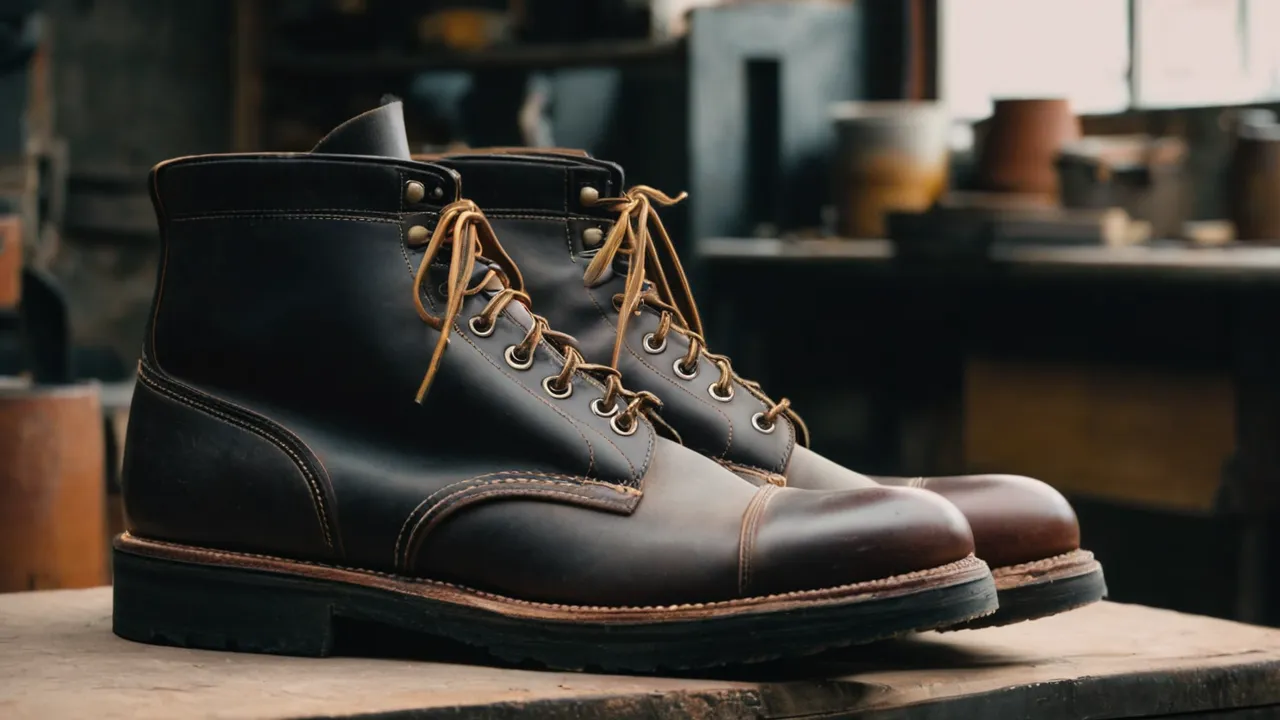
Recraft vs cobbler resole is a choice between sending boots back to the maker and taking them to an independent repair shop. A factory recraft usually gives original parts and a maker-supported process. A local cobbler offers speed, flexibility and often a lower cost. Either route can change a boot’s safety rating, so if you need rated footwear, ask the maker in writing before you choose.
What each option actually is
A factory recraft means sending the boots to the manufacturer or an authorized service center. The shop strips the boot down, replaces the sole and often other worn parts using the maker’s materials and methods. Some makers offer several recraft levels, from a basic resole to a full rebuild with new insole, lining and welt.
A local cobbler is an independent repair shop. The cobbler removes the old sole and attaches a new one, using whichever materials the shop stocks or you choose. Quality ranges from excellent to poor, so the shop matters more than the label.
Turnaround and logistics
Factory recraft requires shipping the boots, waiting in the queue and shipping them back. The time can stretch from a few weeks to a couple of months depending on the maker’s workload, and you will be without the boots during that time. If your work requires the boots every day, you will need a second pair.
A local cobbler can often return the boots in days, and you can talk to the person doing the work. You can bring the boots in, ask about options and see sample soles. The trade-off is variable skill and a more limited choice of outsole models, which may not match the original.
Cost comparison without numbers
Prices change by region, maker and boot, so ask for written quotes. In general, factory recraft costs more because of shipping, specialized materials and the labor of a full rebuild. A local resole may cost less, especially for a simple outsole replacement. But the cheaper quote is not always the better value if the repair does not last.
- Factory: higher price, original parts, shipping both ways, a warranty on the work in many cases.
- Local: lower price, quicker, flexible options, quality depends on the shop.
- Either: extra repairs such as heel stack, lining or eyelets add to the quote.
Our boot resole cost breakdown explains how to judge a quote against a new pair.
Safety rating after repair
This is the most important question for people who must wear rated footwear. A resole can change the parts that protect the foot, such as the shank, the puncture plate or the sole’s electrical properties. Whether the repaired boot still carries its original marking depends on the maker’s policy and the repair method. Some makers state that a recraft performed by them maintains the rating, while others say any repair voids the marking. Local cobblers generally cannot certify a rating.
Ask the maker in writing and keep the answer. If your employer requires rated footwear, ask the safety officer whether a repaired boot is acceptable. When the answer is no, buy a new pair when the sole wears out, and keep the old pair for tasks with no rating requirement. This is general information, not occupational advice, and a licensed professional or your safety officer decides what your job requires.
Also remember that the tag stays with the boot but the certification belongs to the boot as built. If the sole, shank or plate changes, a worn tag alone does not prove the boot still meets the marking.
Parts, fit and finish
The maker has access to the original last, the exact outsole pattern and the matching components, which helps preserve fit and look. A local cobbler may use a similar but not identical sole, and small differences in heel height or sole thickness can alter how the boot feels. Many wearers find the difference small, and some prefer the sole options offered by a skilled local shop.
Fit may shift slightly after any resole because the new sole and the cork filler compress differently. Plan for a short break-in. If a boot fit you perfectly, ask the shop to match the original heel height and sole thickness.
Warranty, workmanship and what to get in writing
Ask what happens if the sole separates or the stitching fails after the repair. Factory services often offer a workmanship warranty that covers defects in the repair, and some local cobblers do the same. A written note on the invoice, even a short one, protects you. Keep photos of the boots before shipping or dropping them off, since shipping damage and loss are real risks with mail-in repairs. Check whether the maker insures the return shipment and what proof of purchase it asks for.
The invoice should list the work done: new outsole, new welt, new insole, new cork, new heel stack. This record helps if the boot needs a second repair and if you ever need to explain to an employer what was replaced.
How to vet a cobbler
Ask to see finished work, ideally a boot of the same construction. Look at the stitching, the edge finish and the sole alignment. Ask how long the shop has been repairing boots, whether it handles welted work often and which outsole brands it can order. A shop that works mostly on dress shoes may not suit heavy work boots, because stitching, thickness and sole compounds differ.
Read local reviews with caution and look for comments about durability and honesty rather than price alone. A shop that tells you your boot is not worth repairing is often the one to trust.
A hybrid approach
Some owners use both routes. They send the boots to the factory for the first rebuild, when the structure is intact and the rating matters, and then use a local cobbler for later basic resoles. Others do the reverse. The right mix depends on your work, your location and the boot. Keep notes on what each shop did so the next provider knows what is inside the boot.
Worked examples
Consider three owners. The first is an electrician whose site requires EH rated boots and checks tags. For this person the safe path is to ask the maker, in writing, whether a recraft keeps the marking. If the maker says no, or will not say, the boots move to non-regulated tasks and a new rated pair is bought. The second owner is a carpenter with a well broken in welted pair, no rating requirement and a deadline. A local cobbler who can return the boots in a few days fits, provided the shop has done welted work before and offers a sole close to the original. The third owner wears a premium pair with an uncommon outsole pattern and wants the same look and fit back. A factory recraft, or a cobbler who can order the matching sole, preserves the profile best.
In each case the deciding questions are the same: does the job require the marking, how long can you be without the boots, and does the shop have the parts and experience for this construction? Answer those three and the choice usually becomes obvious. When two options look equal, choose the one that gives you the clearer written scope of work.
Decision rules by owner
- Rated footwear required for work: ask the maker first, and prefer the factory route if it keeps the marking.
- Standard welted boots, no rating needed, speed matters: a reputable local cobbler.
- Premium boots with a limited sole pattern: factory recraft or a cobbler experienced with that make.
- Cemented or unusual constructions: ask whether anyone will take the job before you buy another pair.
- No cobbler nearby: factory service or a mail-in specialist.
- Tight budget: get two quotes and compare them with a new pair.
Before you hand over the boots, collect a written quote with line items, a timeline, a statement on safety markings, the workmanship warranty terms and photos of the boots, including the inside label.
Browse the clothing and footwear section for related repair advice, and read how we review to see how we treat cost claims.
Frequently Asked Questions
Does a factory recraft keep the safety rating?
Sometimes, but not always. Some makers state that their own recraft maintains the marking, while others say any repair voids it. Ask the maker in writing, keep the reply, and show it to your safety officer if your employer requires rated footwear.
Is a local cobbler cheaper than a factory recraft?
Usually, since there is no shipping and the job may be a simple outsole swap. A factory rebuild often costs more because of original parts and fuller labor. Get written quotes from both and compare them with the price of a new pair.
How long does a factory recraft take?
Often several weeks, and sometimes a couple of months, depending on the maker’s backlog. A local cobbler can often finish in days. If you wear the boots daily, arrange a second pair before you send them off. Ask the maker for a current estimate in writing.
Can any cobbler resole work boots?
Not equally well. Choose one who handles welted work boots regularly and can show finished repairs. A shop that mostly does dress shoes may not have the stitching equipment or sole compounds that heavy boots need. Ask to see a finished pair of the same construction before you commit.
Final Thoughts
Choose a factory recraft when original parts and a maker-supported rating matter, and choose a local cobbler when speed, cost and flexibility matter more. Either way, ask for a written quote, a timeline and a statement about safety markings. A boot with a sound upper deserves a proper rebuild, and the right provider is the one that can explain exactly what they will do.
Related buying guides
- Full Grain vs Top Grain vs Genuine Leather Work Boots
- Goodyear Welt vs Cemented Construction: Which Lasts Longer
- Hot Weather Work Boots: Stay Cool and Protected
About the author

The BuyOnceChoice Editorial Team researches durable products worth buying once. Our guides compare published specifications, warranty terms, expert review consensus, and verified owner feedback. We do not conduct our own product trials. See How We Review and our Editorial Policy for our standards.