Boot Resole Cost: What You Will Pay and When It Pays Off
Resole prices vary by region, shop and boot construction. Here is a cost framework and a simple rule of thumb to decide between a rebuild and a new pair.
 By BuyOnceChoice Editorial Team
Updated November 16, 2026
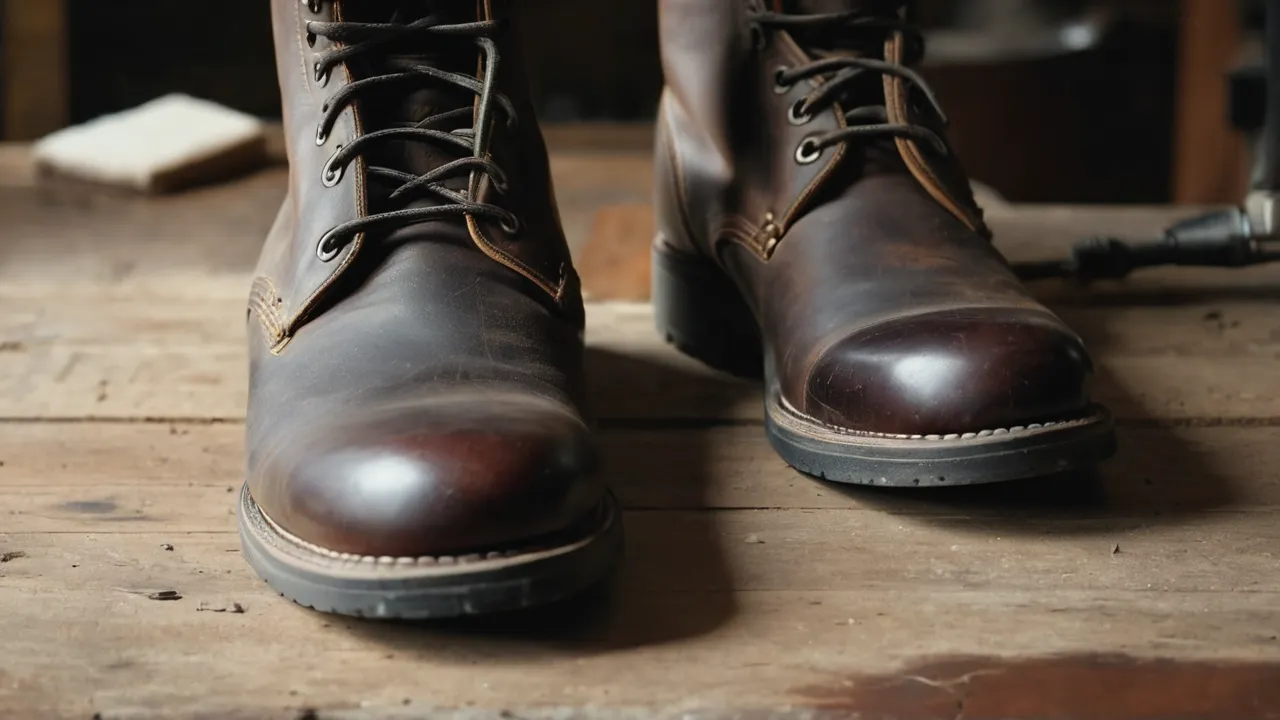
How much it costs to resole boots depends on the construction, the outsole you choose, the shop’s labor rates and any extra repairs, so a framework works better than a single figure. As a rule of thumb, a resole makes sense when the upper is sound and the quote is roughly half the price of a comparable new pair or less. Above that line, compare carefully. Prices change by region, so always ask for a written quote.
What goes into a resole price
A resole is a rebuild, not just a patch. The cobbler removes the old outsole, cleans and inspects the midsole and welt, replaces worn components and attaches a new sole. Each step has a labor cost and a materials cost, and shops price them differently.
- Labor: removal, preparation, stitching, finishing and trimming.
- Outsole material: a basic lug sole costs less than a premium compound or a specialized pattern.
- Midsole and welt work: if the welt is damaged or the midsole is crushed, the shop may need to replace them.
- Cork or filler: the layer between insole and outsole may need to be refilled.
- Shipping and handling if you mail the boots to a factory service.
Welted boots tend to be the easiest to price because the process is standard. Cemented boots often cannot be resoled at all, or only with a patch style repair that may not hold. See our guide to welt versus blake versus stitchdown construction for how construction affects repair options.
Factors that push the price up or down
| Factor | Tends to lower cost | Tends to raise cost |
|---|---|---|
| Construction | Standard welt | Stitchdown, specialty builds, blake stitch with few qualified shops |
| Outsole | Stock lug sole | Premium rubber, wedge or custom sole |
| Upper condition | Sound leather, intact lining | Cracked leather, torn lining, broken eyelets |
| Safety features | No plate or special parts | Plates, metatarsal guards or markings to preserve |
| Provider | Local cobbler | Factory service with shipping |
Extra repairs add up. Replacing a worn heel, restitching a seam, installing new eyelets or replacing a lining can each be priced separately. Ask the shop for a line by line estimate so you can decide which repairs matter.
A sample cost walk-through
Imagine two cases. In the first, a welted boot has a sound upper, a worn lug sole and a slightly compressed cork layer. The cobbler removes the sole, replaces the cork, attaches a stock lug sole and finishes the edge. The quote is a single line with labor and materials. In the second, the same boot has a cracked welt, a worn heel stack and a torn lining at the heel. The quote now has four lines, and the total approaches the price of a new pair. The difference is not the sole but the condition of everything around it.
A rule of thumb for resole versus replace
Compare the written resole quote with the cost of a comparable new pair. If the repair costs about half of a new pair or less, and the upper is in good shape, resoling usually wins. If it costs most of a new pair, a new pair may make more sense unless the old boot is a favorite with a break-in you cannot replace.
Think about the condition of the upper. The sole wears out first, but if the leather has cracked through, the insole has collapsed or the lining is shredded, a resole gives you a new sole under a failing boot. A cobbler can tell you whether the rest of the boot will last another cycle.
Also think about fit. A well broken in boot that fits your foot is difficult to replace, and that has value beyond the price tag. For a buy once approach, that fit is part of the return on a resole.
Here is a quick way to apply the rule. Get the quote in writing, find a comparable new boot in the same construction and tier, and divide. Under about half, resole. Between half and most of the price, resole only if the fit or the leather is hard to replace. Near the full price, replace.
When resoling is not worth it
- Cemented soles with no stitching that cannot be removed cleanly.
- Uppers with deep cracks, split seams or heavily worn leather.
- Collapsed midsoles or broken shanks.
- Boots with a safety rating that the repair would void, when the rating is required for your work.
- Boots that never fit well.
In these cases, spend the money on a new pair that fits and has a repairable construction.
Timing the resole
The best moment is when the tread on the ball and heel is thin but the midsole is still intact. Watch for three signs: the heel is worn down on one side, the forefoot tread is smooth, and water starts to appear at the sole edge. Do not wait until the sole has holes. At that stage the welt or midsole may need work too, and the price rises.
Seasonal timing helps as well. Cobblers are often busy before winter, so a repair planned in a quieter season may be faster and give you time to compare quotes. If you rely on a single pair, book the repair early and arrange a loaner pair.
A boot resoled before the welt and midsole are damaged is cheaper to repair and lasts longer, so the best time to rebuild is when the tread is thin but the structure is still sound.
What a cobbler checks before quoting
A good quote starts with an inspection, and knowing the checks helps you read the estimate. The cobbler looks at the welt for cuts and thin spots, because a damaged welt means stitching work and a higher price. The midsole and cork are pressed to see whether they have compressed or crumbled. The heel stack is checked for uneven wear, and the shank is flexed to see whether it has broken. Inside the boot, the insole and lining show whether the upper has years left.
Each finding becomes a line on the quote or a reason to decline the job. If the shop quotes by phone without seeing the boots, treat the number as a rough guide and ask what could change it. Mail-in factory services often inspect on arrival and then confirm the final scope, so ask when you will be told about any added repairs and whether you can decline them.
Photos help. Take pictures of the soles, the welt edge and the heel before you hand the boots over, and ask for the removed parts back if you want to see them. A shop that welcomes these questions is usually one you can trust with a favorite pair.
Questions to ask a cobbler
- What exactly is included in the quote, and what is extra?
- Which outsole options do you offer, and can I choose the compound?
- How long will the repair take?
- What is your policy if the repair fails early?
- Does the repair affect safety markings, and will you document what was replaced?
- Have you worked on this construction before?
A good cobbler explains the work and shows examples. Ask to see the boots after the sole is removed if possible. A written quote and a stated timeline make comparison easier.
Making resoles part of your plan
If you intend to resole, buy boots with that in mind. Choose a welted or stitchdown construction, keep a note of the maker’s repair service and pick a local shop before you need one. Care also affects resole value, because boots that are cleaned, conditioned and rotated have uppers that outlast several soles. See our clothing and footwear section and our how we review page for the care and cost logic behind these guides.
- Keep the leather conditioned so the upper outlasts the sole.
- Rotate two pairs so each pair dries between shifts.
- Replace worn heels early, since uneven wear distorts the sole.
- Clean mud and salt that can corrode stitching.
- Keep a record of the resole date and the work done.
Each step costs little and increases the number of soles the boot can carry. Our winter boots guides include care steps for salt and moisture, the usual enemies of stitching and welts.
Frequently Asked Questions
Is it cheaper to resole boots or buy new ones?
Usually cheaper to resole when the upper is sound and the quote is about half the price of a comparable new pair or less. If the repair needs a new welt, midsole and lining as well, the total can approach a new pair, and replacing may be the better call.
Can any boot be resoled?
No. Welted and stitchdown boots are usually good candidates. Many cemented boots cannot be resoled cleanly, and some can only take a patch repair. Ask a cobbler to inspect the boot before you count on a resole. Photos of the sole edge and welt help the cobbler give a more accurate answer.
How many times can you resole a boot?
It depends on the upper and the welt, not a fixed number. Each resole needs sound leather, an intact welt and a midsole that still holds its shape. Good care can carry a quality welted boot through several soles, but ask the cobbler to check after each repair.
Does resoling change how the boot fits?
It can slightly. A different outsole thickness or a new cork layer changes the height and feel underfoot. Ask the cobbler to match the original profile, and tell them if you wear orthotics, so the footbed stays comfortable. A short break-in period after the repair is normal.
Final Thoughts
Treat a resole as a rebuild with a cost you can estimate by components. Ask for a written quote, compare it with the price of a comparable new pair and consider the condition of the upper and the fit of the boot. When the upper is sound and the repair costs about half of a new pair or less, a resole is usually the sensible, buy once choice.
Related buying guides
- EH Boots Explained: What Electrical Hazard Covers
- Factory Recraft vs Local Cobbler Resole for Work Boots
- Full Grain vs Top Grain vs Genuine Leather Work Boots
About the author

The BuyOnceChoice Editorial Team researches durable products worth buying once. Our guides compare published specifications, warranty terms, expert review consensus, and verified owner feedback. We do not conduct our own product trials. See How We Review and our Editorial Policy for our standards.