Do You Need a CARB Compliant Generator? Rules Explained
Understand what CARB compliant means on a portable generator, how to find the emissions label, and why state rules affect where you can buy and use one.
 By BuyOnceChoice Editorial Team
Updated November 16, 2026
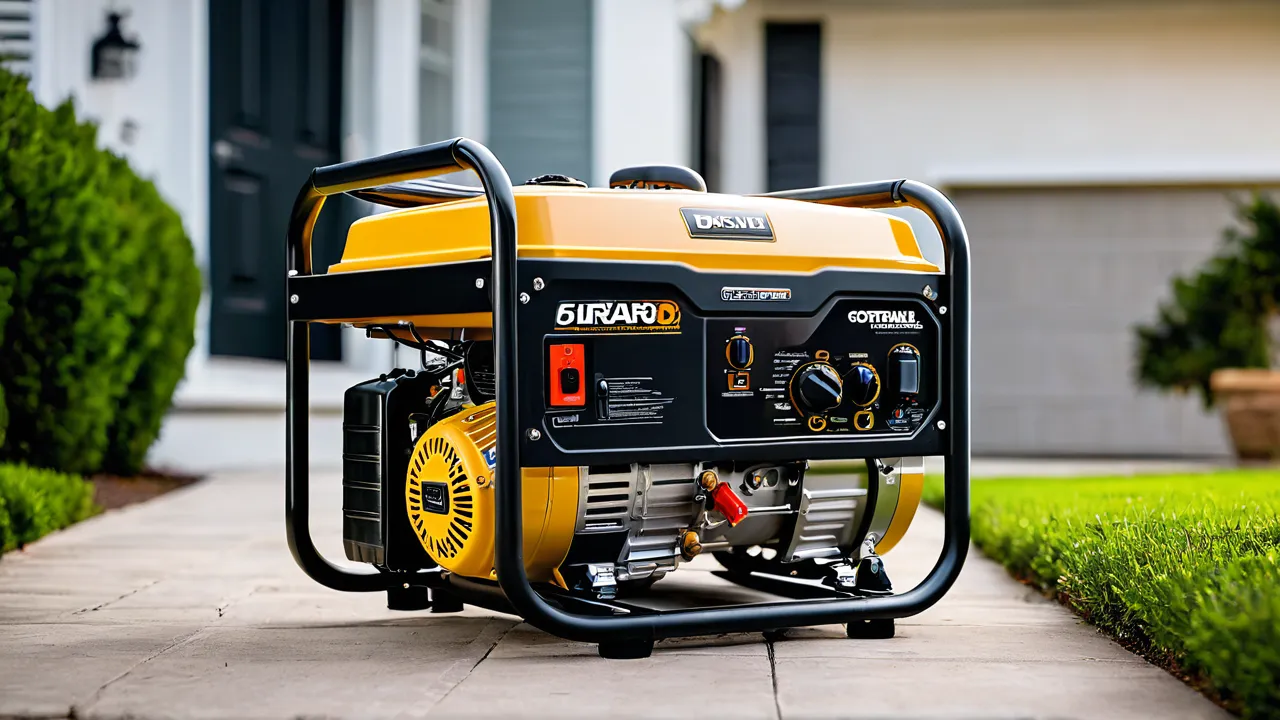
A CARB compliant generator is one whose engine meets the emission standards set by the California Air Resources Board for small off-road engines, and it carries a label or listing to show it. Some other states follow California’s rules, so a compliant label can decide whether a model may be sold or registered where you live. Check the official agency pages and your state’s rules before you buy, because details change.
What the label means in practice
Small engines in generators emit hydrocarbons, nitrogen oxides and carbon monoxide. Emission standards limit those outputs, and a manufacturer must certify each engine family before selling it in a regulated area. The proof is typically an emissions label on the engine or the generator frame, along with a listing in the agency’s certified product directory.
The label may state an engine family name and a compliance statement. The family name is a code that identifies the engine design. You can look it up on the agency’s website, which is the correct way to verify a claim rather than trusting a retailer’s listing. If the label is missing or damaged, ask the seller to show documentation before you buy.
There are also federal rules through the Environmental Protection Agency, which regulates small engine emissions nationwide. Many generators carry both an EPA and a California statement on the same label. A unit that meets only the federal rule is common outside California and the states that follow it. The key point for a shopper is that the labels are not interchangeable, and the wording on the sticker tells you which standard the engine was built to.
Why states and sellers care
California enforces its own rules, and some other states have adopted California standards for certain products. Retailers may restrict shipping of non-compliant generators to those places. A generator sold as federally compliant only may not be legal to buy or sell in a state that follows the California rules. The details differ by state and change over time, so verify with the state environmental agency.
This matters for buyers who move, who shop online across state lines or who buy used. If you plan to bring a generator into a regulated state, confirm that it carries the right label first. A model that works in one place may not be sold in another, and resale options narrow accordingly.
Ask where the generator will actually live and run. A buyer in a regulated state who orders from a site in another state may find that the retailer refuses to ship, or that a delivery is returned. Even if the unit arrives, an unlabeled engine can create trouble if you later register it for a job site, rent it or sell it. Reading the product page for a compliance statement before ordering avoids the hassle.
Differences you may notice on the machine
Compliant engines often include a catalytic converter in the muffler, a more precise carburetor or fuel injection, and a sealed fuel system that limits vapor leaks. Fuel tank caps and lines on some models are designed to reduce evaporative emissions. You may see a different fuel cap or a vent valve that behaves differently from older machines, and the manual explains how to use it.
- The cap may need to be closed in storage and vented while running, per the manual.
- The muffler may run hotter because of a catalytic element, so clearance matters.
- Fuel shutoff and carburetor settings may be fixed and not user adjustable.
- Features such as a fuel gauge or a spill-resistant spout may come with the design.
- Following the maker’s break-in and maintenance steps keeps the emission system working.
These designs can be a plus. A sealed system helps fuel last longer in storage and may reduce odor. The catalytic muffler is a reason to keep flammable material away from the unit and to let it cool before covering it.
Owners sometimes report that compliant models feel fussier to start after storage because the fuel system is sealed. The manual explains the correct way to open the vent, prime the carburetor and start the engine. Following those steps beats forcing the machine. If you are used to an older generator, spend a few minutes with the manual so the new design feels familiar.
Buying and resale considerations
If you live in a regulated state, buy only a compliant unit from a reputable seller and keep the paperwork. If you live elsewhere, a compliant model is still acceptable and may give you flexibility if you move or sell. Resale may be easier with a unit that carries the label. Do not modify the emission system, since removing a catalytic converter or tampering with the carburetor can be illegal and can void the warranty.
When buying used, ask for the model and serial numbers and check the label. A seller who cannot show the label is a red flag. Our portable generator category lists features to compare once you have confirmed the legal side, and how we review explains how we treat claims like these.
Dual fuel and inverter generators have their own labels, and some list separate compliance for gasoline and propane. A model that is compliant on gasoline may carry a different statement for propane operation. If you plan to use both fuels, read the full label and ask the manufacturer. Do not assume the label covers every mode of operation without checking.
Keep a folder with the receipt, the manual and a photo of the emissions label. If you sell the generator, handing over those documents proves the machine’s status and builds trust with the buyer. A listing with a photo of the label tends to draw fewer questions, and a buyer in a regulated state will often ask for it first.
How to verify without guessing
- Find the emissions label on the generator and read the engine family name.
- Search the state or federal agency’s certified product list for that family.
- Compare the listing with the model on your receipt.
- Ask the seller in writing whether the unit is compliant for your state.
- Keep the receipt and manual together for future resale.
Because rules and product lists change, treat any summary, including this one, as a starting point. The agency’s own pages are the final source. If the information is confusing, a call or email to the agency or the manufacturer’s customer service line will clear it up.
Size does not decide compliance
Compliance is about the engine family, not the generator’s size. Large portable units, such as those covered in our large portable generator guide, and small inverter units can both carry or lack a compliance label. Check the label on the specific model you plan to buy instead of assuming a brand or a size class is covered.
Safety and operation
Emission compliance does not make a generator safe indoors. Carbon monoxide remains a danger, so run the unit outdoors away from windows, doors and vents, and keep battery-backed carbon monoxide alarms inside the home. A hotter muffler on some designs means more fire risk near dry grass or stored material. Follow the owner manual, and use a licensed electrician for any connection to house wiring.
A short checklist for the store or the listing
Before you order, scan the product page for a compliance statement, an engine family name, or a line that says the unit is approved for sale in all fifty states. If the listing says it cannot ship to certain states, believe it and choose another model or look for a compliant version of the same brand. If the page is silent, ask the seller in writing and save the reply. When the box arrives, find the emissions label before you fill the tank. A missing label on a new unit is a reason to return it unopened, since a unit that cannot be registered, rented or resold costs you more than the time you save.
Also read the warranty. Emission-related parts, such as the catalytic element and fuel system components, often have their own coverage terms. Knowing what the maker covers helps if a part fails, and it tells you why modifications to the exhaust or fuel system are a bad idea.
Frequently Asked Questions
What does CARB compliant mean on a generator?
It means the engine family has been certified to meet California’s emission standards for small off-road engines and carries the required label. Check the label and the agency’s certified product list. The wording on the label also shows whether the unit meets federal rules, California rules or both.
Can I buy a non-CARB generator in California?
Generally not as a new unit from a retailer, since regulated sales require compliance. Rules differ by product and change, so confirm with the California agency or the seller before you buy. Buying out of state does not necessarily make it legal to bring in.
How do I check whether my generator is CARB compliant?
Look for the emissions label on the engine or frame, note the engine family name, and look it up in the agency’s certified product directory. Compare it with the model and serial on your receipt. If the label is missing, ask the maker for documentation.
Is a CARB compliant generator less powerful?
Not necessarily. Compliance concerns emissions, and output depends on the engine design and rating. Compliant engines often add a catalytic muffler and sealed fuel system, which change how the machine runs and starts, not what it can power. Compare the rated watts in each model’s manual.
Final Thoughts
A CARB compliant label tells you the engine family was certified to meet California’s small engine emission rules. Check the label, confirm it in the agency’s listing and verify your own state’s requirements before buying new or used. Do not modify the emission system, and keep the documents. The extra care is small compared with the trouble of owning a generator you cannot legally use or resell.
Related buying guides
- Generator Buying Mistakes That Cost You When the Power Fails
- Generator Extension Cords and Power Cords: Gauge and Length
- Generator for RV or Camping: Wattage and Outlet Checklist
About the author

The BuyOnceChoice Editorial Team researches durable products worth buying once. Our guides compare published specifications, warranty terms, expert review consensus, and verified owner feedback. We do not conduct our own product trials. See How We Review and our Editorial Policy for our standards.