Solar Panel Maintenance and Cleaning Basics
Watch your output, clean only when dirt costs energy, and leave roof work to pros. A practical routine for inspecting panels, shade, wiring and snow safely.
 By BuyOnceChoice Editorial Team
Updated November 16, 2026
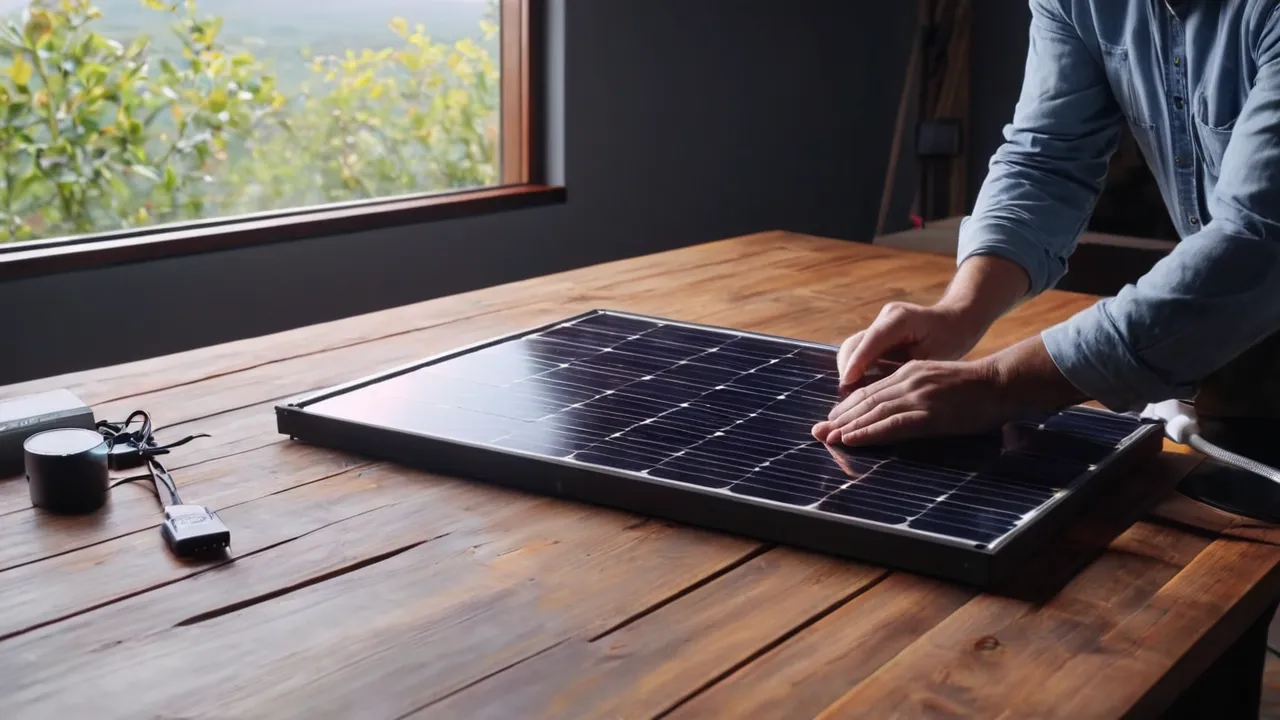
Solar panel maintenance is mostly watching your output, cleaning the glass only when dirt is the problem, inspecting the array a couple of times a year, and keeping trees and debris from shading it. Most panels need cleaning once or twice a year, rain does much of the work, and you should never climb on a roof or use a pressure washer to do it. Use a soft brush, clean water, and a ground-level method when possible, and call a professional when the panels are out of safe reach.
This guide gives the steps and intervals, safe cleaning methods, the inspection signals to watch, and a seasonal checklist. Your panel manual and warranty terms come first, because some warranties limit cleaning methods. See our fixed and portable solar panels guides for equipment, read about home battery backup if you store energy, check How We Review for how we treat specifications, and visit the power and energy section for related guides.
Start With Monitoring, Not a Ladder
Before cleaning, check whether you need to. Most systems show daily or monthly production in an app or on the inverter display. Note typical output on clear days in each season, and compare. A gradual drop of several percent over a year can be soiling, shade growth, or degradation. A sudden drop is more likely a fault, a tripped breaker, or a shaded string.
Monitoring turns cleaning from a ritual into a decision. If output is steady, leave the panels alone. If it has fallen and the panels are visibly dirty, clean them. If it has fallen and the panels are clean, look for shade and faults before spending time on the glass.
How Often to Clean
Frequency depends on climate, tilt, and surroundings. In regions with regular rain and tilted panels, rain removes most dust, and an annual look may be enough. In dry, dusty, or coastal areas, or near farms, construction, or heavy bird activity, panels may need cleaning two to four times a year. Pollen season, wildfire smoke, and snow also change the schedule. Low-tilt and flat arrays collect more dirt than steep ones.
Use output as the guide. A common practice is to clean when you see a persistent drop that matches visible dirt, not on a fixed calendar. Portable panels should be wiped before each trip.
How to Clean Safely
Rules first
- Follow the panel maker’s cleaning guidance, which may limit tools and chemicals.
- Clean in the early morning or evening, when panels are cool, so water does not dry in streaks or shock hot glass.
- Use a soft brush or sponge and clean water, with mild soap only if needed.
- Never use abrasive pads, harsh chemicals, or a pressure washer, which can damage coatings and seals.
- Never walk on panels, and never clean on a wet or sloped roof without fall protection and training.
- Do not clean damaged panels, or panels with exposed wiring, since there is a shock risk.
Ground-level methods
For ground mounts and low arrays, a soft brush on an extension pole and a garden hose with a gentle spray are usually enough. Rinse first to loosen dirt, brush lightly, and rinse again. Squeegees made for glass can help but should not scratch. For roof arrays, a long pole from the ground can reach lower rows, and for anything beyond reach, hire a company that cleans panels and carries insurance. Remember that hard water can leave spots, so use soft or filtered water if mineral deposits are a problem.
A Step by Step Cleaning Routine
- Step one: check the forecast and the time. Pick a cool, calm morning, and do not clean in full sun.
- Step two: inspect from the ground for cracks, loose wiring, or nests. Skip cleaning if anything looks damaged.
- Step three: rinse the panels with a gentle spray to loosen dust and grit.
- Step four: wipe with a soft brush or sponge and clean water, working from top to bottom in light strokes.
- Step five: rinse again so no soap or dirt film dries on the glass.
- Step six: note the date and compare production over the next sunny days to see whether it helped.
If production does not improve, the problem is probably not dirt. Look for shade, faults, or seasonal changes before cleaning again.
A Worked Decision Example
Suppose your system produced about the same on clear days last spring and this spring, but in late summer output on clear days is down about eight percent. The panels look dusty after a dry season. Cleaning is reasonable, and a gentle rinse restores most of the loss. Now suppose output is down eight percent but the panels are clean. Look at tree growth, new shade from a neighbor’s addition, or a failing inverter instead. A third case: output dropped suddenly by a third overnight. Check the breaker, the inverter display, and call your installer, since cleaning will not fix a fault.
Warranty and Insurance Notes
Read your warranty before cleaning or repairing. Some manufacturers specify approved methods, limit water pressure, or require authorized service for repairs. Keep records of inspections and cleanings, along with photographs of damage, which help claims after hail or storms. Check your homeowner’s insurance for solar coverage, and ask your installer who is responsible for roof penetrations and leaks. If you hire a cleaner, confirm that they carry liability insurance and know how to work around electrical equipment.
Inspection Signals to Watch
- Cracked, chipped, or shattered glass.
- Discoloration, browning, or delamination at cell edges.
- Hot spots visible as burn marks.
- Loose, damaged, or chewed wiring and connectors, including animal nests under panels.
- Corrosion on frames or mounts, and loose racking.
- Inverter error codes, repeated tripping, or a production drop on one string.
Inspect from the ground with binoculars twice a year, and after storms, hail, or heavy snow. If you see damage, call your installer or the manufacturer. Do not attempt electrical repairs yourself.
Shade, Trees, and Slow Changes
Trees grow, and shade creeps in slowly. A branch that cleared the panel two summers ago may now cast a shadow every afternoon. Trim trees when safe, or hire a professional, and watch shade in winter when the sun is low. Clean off leaves, nests, and debris that gather at panel edges, since they hold moisture and block light. Snow usually slides off tilted panels, and brushing it off with a roof rake or soft broom from the ground is possible, but avoid scraping, and never use heat.
What the Monitoring Numbers Can and Cannot Tell You
Monitoring shows energy produced, and some systems show per-panel or per-string data. It cannot show why output fell. Compare against the same season in earlier years, and against a neighbor’s system if you can. Weather, shading, soiling, and grid curtailment all affect output. If a production gap persists after cleaning and shade checks, ask your installer to inspect the system.
When to Call a Professional, and a Seasonal Checklist
Call a professional for roof access, broken glass, wiring faults, inverter errors, or anything that smells burnt. Roof work and electrical repairs are risky, and warranties may require authorized service. Keep your installer’s contact information and the warranty with your monitoring login.
- Spring: look over the array after winter, clean off pollen, check mounts, and trim growth.
- Summer: watch output on hot days, check for shade changes, and rinse dust if needed.
- Fall: clear leaves, inspect connections, and check before storm season.
- Winter: clear snow safely from the ground, if at all, and check output after storms.
Portable panels need simple care. Wipe before each trip, check cables and connectors, fold them dry, and store in the case away from heat.
Keep a simple log with the date, what you cleaned or inspected, the weather, and a note on production that week. After a couple of years the log shows seasonal patterns, such as pollen in spring or dust after harvest, so you can schedule cleaning ahead of time instead of reacting. It also gives an installer useful history if a fault appears. Store the log with your warranty documents and monitoring login, in a place the next owner of the house can find it.
Frequently Asked Questions
How often should I clean my solar panels?
Once or twice a year is typical, and more often in dusty, coastal, or bird-heavy areas. Use your production data as the guide, and clean when a persistent drop matches visible dirt. Always use a soft brush and clean water, and never a pressure washer.
Is it safe to clean solar panels myself?
It is safe for ground-level and low arrays if you follow the manual, use soft tools, and work when panels are cool. Roof work is risky, so hire an insured professional for anything you cannot reach safely from the ground, and never use harsh chemicals.
Do solar panels need maintenance?
Very little. Watch output, clean when needed, trim shade, and inspect for damage a couple of times a year. Keep your warranty paperwork and installer contact information handy, and call a professional for roof access, electrical faults, or damaged panels.
Final Thoughts
Let monitoring tell you when to clean, use soft tools and clean water in cool hours, inspect the array twice a year, and manage shade as trees grow. Stay off the roof unless you are trained, and call professionals for repairs.
Related buying guides
- Solar Panel Shading: How Much Output You Lose
- 12V vs 24V vs 48V Solar Systems: Which Voltage
- How Long Do Solar Panels Last: Warranty Guide
About the author

The BuyOnceChoice Editorial Team researches durable products worth buying once. Our guides compare published specifications, warranty terms, expert review consensus, and verified owner feedback. We do not conduct our own product trials. See How We Review and our Editorial Policy for our standards.