Rigid vs Flexible vs Foldable Solar Panels
Glass framed, thin film flexible or hinged foldable: see how each solar panel format handles heat, weight and wear so you match it to the right surface.
 By BuyOnceChoice Editorial Team
Updated November 16, 2026
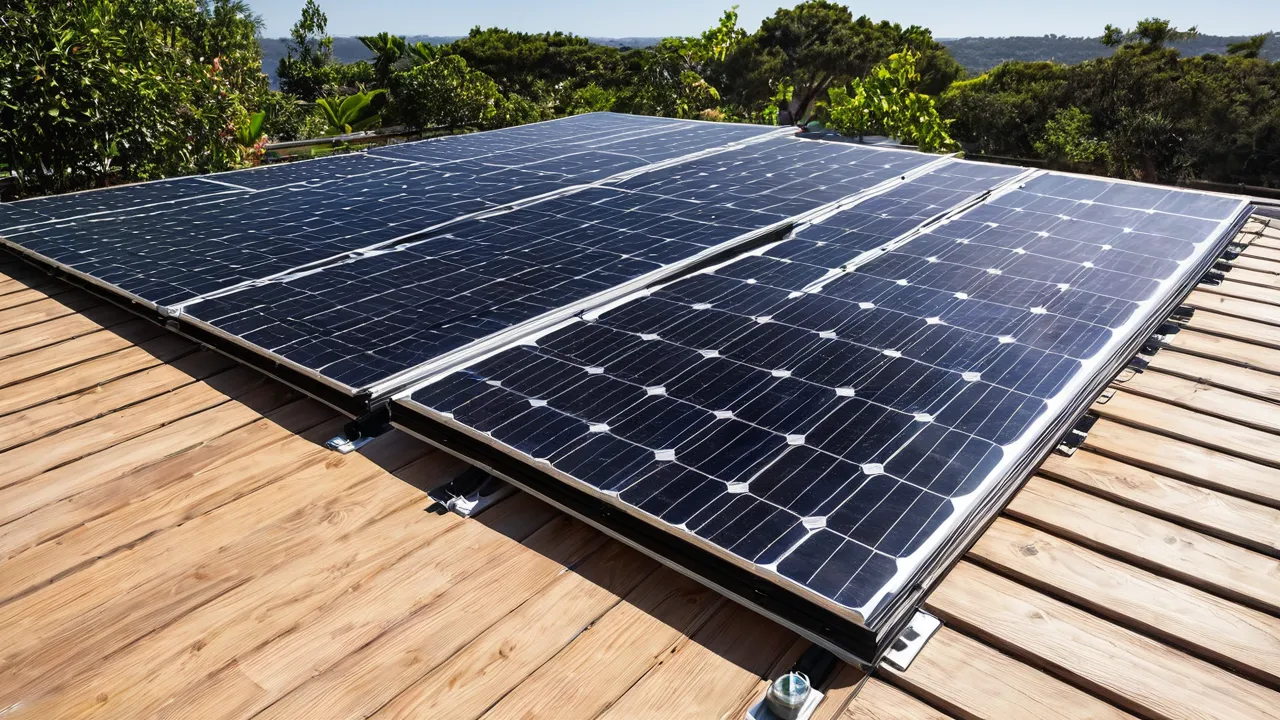
Rigid solar panels have a glass front and an aluminum frame and are built for permanent mounting, flexible panels are thin, lightweight sheets that bend slightly and bond to curved surfaces, and foldable panels are portable sets of panels hinged together to fold into a carry case. Choose rigid for durability and long-term value, flexible when weight or a curved surface rules out glass, and foldable when you want to carry panels to a campsite and set them out in the sun.
Durability and heat trade-offs for flexible panels are often glossed over by sellers, so this guide is candid about them and tells you what to check on a datasheet. It matches each format to a buyer type and gives a checklist before you pay. Browse our solar panels category, see portable power stations and solar generators to pair panels with a battery, and read How We Review for our approach to specifications.
How the Three Formats Are Built
Rigid panels sandwich solar cells between tempered glass in front and a protective back sheet, held in an aluminum frame. The glass and frame make them heavy and stiff but protect the cells from impact, hail, and weather. They are designed for many years outdoors, usually with long product and performance warranties.
Flexible panels replace the glass with a polymer layer, so they are light and can curve slightly. Many have a thin profile that lets them bond to a roof, a boat deck, or a van roof. Without a frame and with a thinner front layer, they are more vulnerable to scratches, impacts, and moisture over time, and warranties are often shorter than for rigid panels.
Foldable panels are made by mounting cells on fabric or thin panels and hinging them so they fold flat into a case. Many include a kickstand and a built-in cable, and most are designed for portable use rather than permanent mounting. Some foldables use rigid cell sections in a canvas shell, others use laminated sections, so read the build description.
Durability and Heat Trade-Offs
Heat is the central trade-off. Solar cells produce less power as they get hot, and panels mounted flat on a roof get hot. A rigid panel on a rack has air flowing behind it, which cools it. A flexible panel glued flat to a surface traps heat behind it, which reduces output and can accelerate aging, delamination, and adhesive failure over time. The effect varies by product, and sellers disagree, so read the temperature coefficient and the warranty.
Mechanical durability differs. Rigid panels handle hail, foot traffic with care, and wind loads when installed properly. Flexible panels can crack their cells if bent too far or walked on, and a damaged cell can lower output. Foldables suffer from repeated folding, worn hinges, frayed cables, and connectors that loosen, so inspect them regularly.
Because evidence is mixed, favor products with clear warranty terms, a stated operating temperature range, and an ingress protection rating. A longer warranty is a better signal of expected life than adjectives like durable.
Weight, Mounting, and Wind
Rigid panels are heavy for their area, and mounting needs a rack, rails, or brackets rated for the load and the wind. On a vehicle roof, that means drilling or clamping and checking the roof’s rating. Flexible panels weigh a fraction as much and can be stuck or screwed down, which suits vans, boats, and curved surfaces. Foldables carry in a bag and prop up on the ground, so they are not a roof solution, and in wind they must be anchored.
Wind matters for every format. A panel acts like a sail, so secure foldables with stakes or weights, and follow the mounting instructions for rigid and flexible panels. Never leave a loose panel in a gust. On a roof rack, leave an air gap behind each rigid panel for cooling, and keep wiring tied down so it cannot chafe against metal edges. At a campsite, angle foldables toward the sun and re-aim them every couple of hours, since a fixed angle loses a large share of output as the sun moves.
Cost Per Watt and Efficiency Logic
Rigid panels generally give the most watts for the money and the best lifespan per dollar. Flexible and foldable panels cost more per watt, because of the materials, the carry case, and the cable. Efficiency also varies by product. Compare watts per square foot, because a low-efficiency panel needs more area. Calculate cost per watt for each candidate, and add what the format saves or costs elsewhere: mounting hardware, adhesives, a carry case, or a second panel to match output.
Rated watts apply to ideal conditions, and a foldable lying flat in poor sun may produce well below its rating. Plan around realistic output rather than the label.
Matching Format to Buyer
Full-time van or RV owner
A roof-mounted rigid panel, installed on a proper rack with an air gap, is the durable choice. Flexible panels help when weight or roof curvature matters, such as on a van with a curved roof or an RV with a weight limit. Accept that adhesive mounting is hard to reverse, and check the roof surface compatibility.
Weekend camper or tailgater
Foldable panels are portable, quick to set up, and can follow the sun, which matters since pointing a panel at the sun can boost output. They store in a case, and they charge a power station without permanent installation. Check the connectors against the station’s solar input.
Boat owner
Flexible panels are common on boats because of curved decks and weight sensitivity, and marine-rated ones resist salt and moisture. Rigid panels on a rack or arch give better cooling and durability if the space allows. Check marine ratings and corrosion resistance.
Cabin or home owner
Rigid panels are the standard for fixed installations, with ground or roof mounts, and a licensed electrician for connections. Flexible and foldable panels suit temporary or backup uses, not primary power.
A Worked Comparison for a Van Roof
Say a van has about twenty square feet of usable roof and you want as many watts as will fit. A rigid panel with efficiency in the low twenties percent might deliver about 200 watts per roughly ten square feet, so two fit and give around 400 watts. A flexible panel with lower efficiency might give around 100 watts in the same area, so the same roof yields perhaps 200 watts. The flexible option weighs far less, which may matter if the van is near its payload limit, but you give up wattage and, likely, lifespan. A foldable adds nothing to the roof and travels in the cargo area, so it adds output only when you park and set it up.
This simple area-based comparison shows why efficiency matters on tight roofs. Replace the numbers with datasheet values for the panels you are considering, and check wiring, charge controller limits, and roof load before deciding.
Inspection and Care by Format
- Rigid: check frame corrosion, glass chips, loose brackets, and connector seals each season.
- Flexible: look for bubbles, peeling edges, cracks in cells, and discoloration, and keep the surface clean with a soft cloth.
- Foldable: inspect hinges, stitching, kickstands, cables, and connectors, and fold along the creases without forcing.
Store foldables dry and flat, out of direct sun and hot vehicles, and wipe off dust before folding so grit does not scratch the surface. Clean any panel with water and a soft cloth, and avoid abrasive cleaners. These simple habits stretch the life of every format.
Checks Before You Buy and Safety Notes
- Rated watts, voltage, and current, and whether they match your charge controller or station input.
- Temperature coefficient, operating temperature range, and warranty terms.
- Weight, dimensions, and the stated mounting method.
- Connector type, cable length and gauge, and whether adapters are included.
- Ingress protection rating and the intended use, portable or permanent.
Panels produce voltage whenever there is light, so handle connectors with care, keep them dry, and do not connect or disconnect under heavy load unless the manual allows. Permanent installations on homes need a licensed electrician and permits, and roof work needs fall protection. Follow the manual for every product.
Frequently Asked Questions
Are flexible solar panels as good as rigid ones?
For most uses, no, because they typically cost more per watt, run hotter when bonded flat, and may last a shorter time. They are the right choice where weight or curved surfaces rule out rigid panels. Compare warranties and temperature ratings before buying.
Do foldable solar panels work well for camping?
Yes for portable charging of a power station, since they set up quickly and can be aimed at the sun. Output depends on sun angle and weather, so expect less than the label. Check that the connector and voltage match your station’s solar input.
Can I mount a foldable panel permanently?
Usually not. Foldable panels are built for portable use, with hinges, fabric, and cables that suffer when left outdoors for long periods. For permanent mounting, choose a rigid or flexible panel designed for it, and follow the manufacturer’s installation instructions.
Final Thoughts
Rigid panels win on durability and cost per watt, flexible panels win on weight and curved surfaces, and foldables win on portability. Match the format to where the panels live and how long you want them to last, read the warranty and temperature rating, and use licensed professionals for permanent electrical work.
Related buying guides
- Roof Mount vs Ground Mount Solar Panels
- How to Size a Solar Charge Controller
- Solar Panel Buying Mistakes to Avoid
About the author

The BuyOnceChoice Editorial Team researches durable products worth buying once. Our guides compare published specifications, warranty terms, expert review consensus, and verified owner feedback. We do not conduct our own product trials. See How We Review and our Editorial Policy for our standards.