How Long Do Solar Panels Last: Warranty Guide
Panels usually keep producing well past their warranty. See how product and performance warranties differ, what degradation means, and when premium is worth it.
 By BuyOnceChoice Editorial Team
Updated November 16, 2026
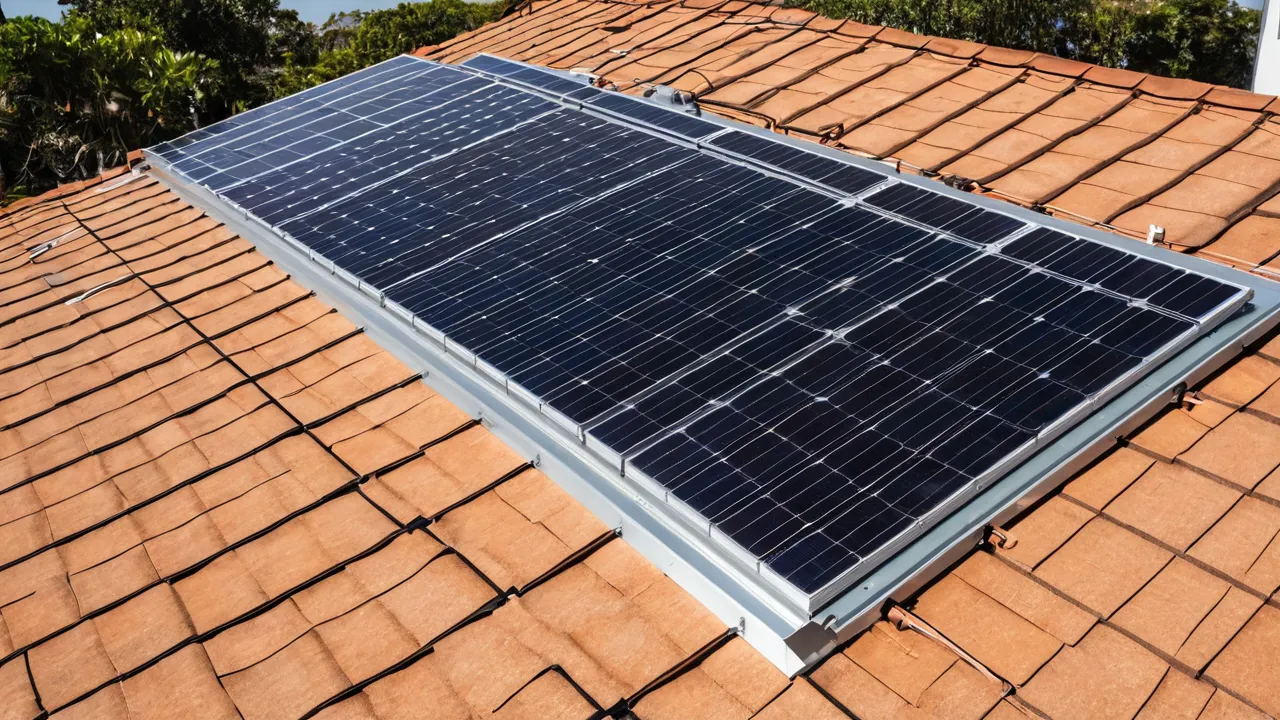
Solar panels commonly last 25 to 30 years or more, producing less power each year. Most makers offer a product warranty and a separate performance warranty that guarantees a minimum output after about 25 years, and research from the National Renewable Energy Laboratory has found median degradation near half a percent per year. The inverter usually wears out sooner than the panels.
Two Warranties, Two Different Promises
Most panels carry two warranties, and they promise different things. The product warranty covers defects in materials and workmanship, and its length varies by maker, often in the range of 10 to 25 years. The performance warranty guarantees that the panel will produce at least a stated percentage of its original rated power after a set time, such as a high percentage after 25 years.
Read both. A long performance warranty with a short product warranty means that if a panel fails outright from a defect, coverage may have ended while the output guarantee remains. Check whether the warranty covers labor to remove and replace panels, and who stands behind it if the maker goes out of business.
What Degradation Means
Degradation is the slow loss of power output over time. Panels lose a small fraction of output each year, with a larger drop in the first year for some types. Studies of fielded systems have reported median rates near half a percent per year, with a range depending on technology, climate and quality. At that rate, a panel would produce roughly 85 to 90 percent of its original output after 25 years. Check the data sheet for the maker’s stated annual degradation and the guaranteed output at the end of the warranty.
Degradation is gradual, so a system rarely stops working. It simply produces a little less each year, and you can compare production in your monitoring app year to year, adjusting for weather.
Calculate an example with simple numbers. Suppose a panel degrades at half a percent per year. After ten years it produces about 95 percent of its original output, after twenty about 90 percent and after twenty five about 88 percent. A system that produced 10,000 kilowatt hours in its first year would produce about 8,800 in year twenty five under the same conditions. Weather varies from year to year by more than that, so compare multi year averages rather than single years. The numbers show why modest degradation rarely makes a solar system worthless, even after decades.
What Actually Wears Out
Panels themselves have no moving parts, so they last a long time. The parts that wear out first are usually elsewhere:
- Inverters, which often last about 10 to 15 years for string inverters, while microinverters may carry longer warranties.
- Connectors, wiring and junction boxes exposed to weather.
- Mounting hardware and roof flashing, which can corrode or leak.
- Panel components such as encapsulant, backsheet and solder joints, which can degrade with heat and moisture.
Plan on replacing the inverter at least once during the life of the panels, and budget for it.
Pay attention to the roof. Panels that last 25 years or more are often installed on roofs that last fewer years. If your roof is old, replace it before installing panels, or plan for the cost of removing and reinstalling panels during a reroof. Ask the installer about roof penetrations, flashing and how they are sealed, and ask for a workmanship warranty on the roof work, separate from the panel warranty.
What Happens After the Warranty Ends
Panels often keep producing after the warranty ends, at reduced output. The decision to replace them depends on production, the condition of the roof and the cost of new panels, which have improved over time. If you need to reroof, the panels must be removed and reinstalled, so many owners time reroofing with panel service. Panels can sometimes be sold or recycled at end of life. Ask the installer about removal, disposal and recycling options.
Plan an inspection around the end of the warranty. Ask a licensed solar technician to check connectors, wiring, the mounting system, roof seals and the inverter, and to compare production with expected output. Keep the report with your records. If production has fallen more than you expect from normal degradation, ask whether a defect covered by a longer product warranty may apply, and check the maker’s claims process. An inspection also helps you decide whether to keep the system as it is, add panels or replace the inverter.
Habits That Extend Life
- Keep panels clean enough that dirt and debris do not shade them, rinsing with water when needed, following the maker’s advice.
- Trim trees that cast shade.
- Check monitoring regularly for production drops.
- Have a professional inspect wiring, connectors and mounting every few years.
- Avoid walking on panels or using harsh cleaners.
- Fix roof leaks quickly.
Think about monitoring. A production dip on a sunny day can reveal a failed optimizer, a tripped breaker, a failed inverter or a shaded panel. Check the app monthly, and compare it with the same month in previous years. If you see a drop that you cannot explain, call the installer. Catching problems early prevents months of lost production and may be covered by warranty.
Who Should Pay for Premium Panels, and Who Can Skip
Premium panels with higher efficiency and stronger warranties make sense when roof space is limited, when you plan to stay for decades or when you want the lowest degradation rate. Standard panels are fine for most homes with enough roof space, and the differences in output over many years can be small compared with other factors like shading and orientation. Compare the data sheets, warranties and the installer’s track record rather than price alone.
Consider a realistic comparison. A premium panel that degrades a few tenths of a percent less per year may produce a few percent more after 25 years, which matters for those who want the maximum from limited roof space. For a large roof with plenty of room, adding another standard panel is often a simpler way to gain output. Compare the data sheets and ask the installer to model both options for your roof.
Safety and Professional Work
Solar systems carry high voltage direct current, and connecting to a home panel can cause backfeed and electrocution risk. Do not work on panels, wiring or the inverter yourself, and do not climb on the roof without proper fall protection. Use licensed professionals for installation, repair, battery connections and removal. Follow the manual, local code and utility rules.
Reading a Panel Data Sheet for Longevity Clues
Look for the product warranty length, the performance warranty and the guaranteed output at the end, the annual degradation rate, the temperature coefficient, which shows how output falls in heat, and certifications. Check the maker’s operating temperature range and the load ratings for wind and snow. A clear, detailed data sheet is a good sign.
Questions for the Installer
Ask who handles warranty claims, whether the warranty covers labor, how the inverter is warrantied, what monitoring is included and what the plan is if the maker closes. Ask how the system handles hail and wind, and what the roof penetrations and flashing are. Ask for the expected output in the first year and how it is calculated.
Weather, Hail, and Fire Risk
Most panels are built to withstand rain, snow and moderate hail, with ratings on the data sheet, but severe hail can crack panels, and wildfire smoke and ash reduce output temporarily. Insurance usually covers storm damage to a roof mounted system, so tell your insurer. After a severe storm, check production and inspect for damage from the ground, and call a professional if you see cracks. See the solar panels category, the home battery backup category and how we review.
Frequently Asked Questions
How long do solar panels last?
Commonly 25 to 30 years or more, with output declining gradually. Performance warranties often guarantee a stated percentage of original power after 25 years. Research has found median degradation near half a percent per year, but your panels’ data sheet gives the maker’s figure.
Do solar panels stop working after 25 years?
No. Most keep producing power after the warranty ends, at reduced output. Decide whether to keep or replace them based on production, roof condition and the cost of new panels, and ask a professional to inspect the system. Output simply declines gradually, so a system that produced a certain amount in its first year produces somewhat less each year afterward.
How often do solar inverters need to be replaced?
String inverters often last about 10 to 15 years, and microinverters often carry longer warranties. Plan to replace the inverter at least once during the panels’ life, and check the inverter warranty and replacement cost when you buy. Ask the installer which inverter type your system uses and read its warranty terms.
Does degradation affect my savings?
Slightly. Output drops a little each year, so your production gradually falls, and savings fall with it. Compare data sheets for degradation rates, and remember that shading, orientation and rate changes can matter more. It is a small, steady effect that most owners notice only by comparing monitoring data across several years.
Final Thoughts
Expect panels to last decades with gradual output loss, plan to replace the inverter and read both the product and performance warranties. Keep panels clear of shade, monitor production and use licensed professionals for any electrical or roof work.
Related buying guides
- How Many Solar Panels Do You Need for a Home
- Monocrystalline vs Polycrystalline Solar Panels
- MPPT vs PWM Charge Controllers: Which to Choose
About the author

The BuyOnceChoice Editorial Team researches durable products worth buying once. Our guides compare published specifications, warranty terms, expert review consensus, and verified owner feedback. We do not conduct our own product trials. See How We Review and our Editorial Policy for our standards.