Commercial vs Home Stand Mixers: Who Needs Heavy Duty
Compare commercial and home stand mixers by duty cycle, bowl size, power and voltage, footprint and warranty to decide who needs heavy duty.
 By BuyOnceChoice Editorial Team
Updated November 16, 2026
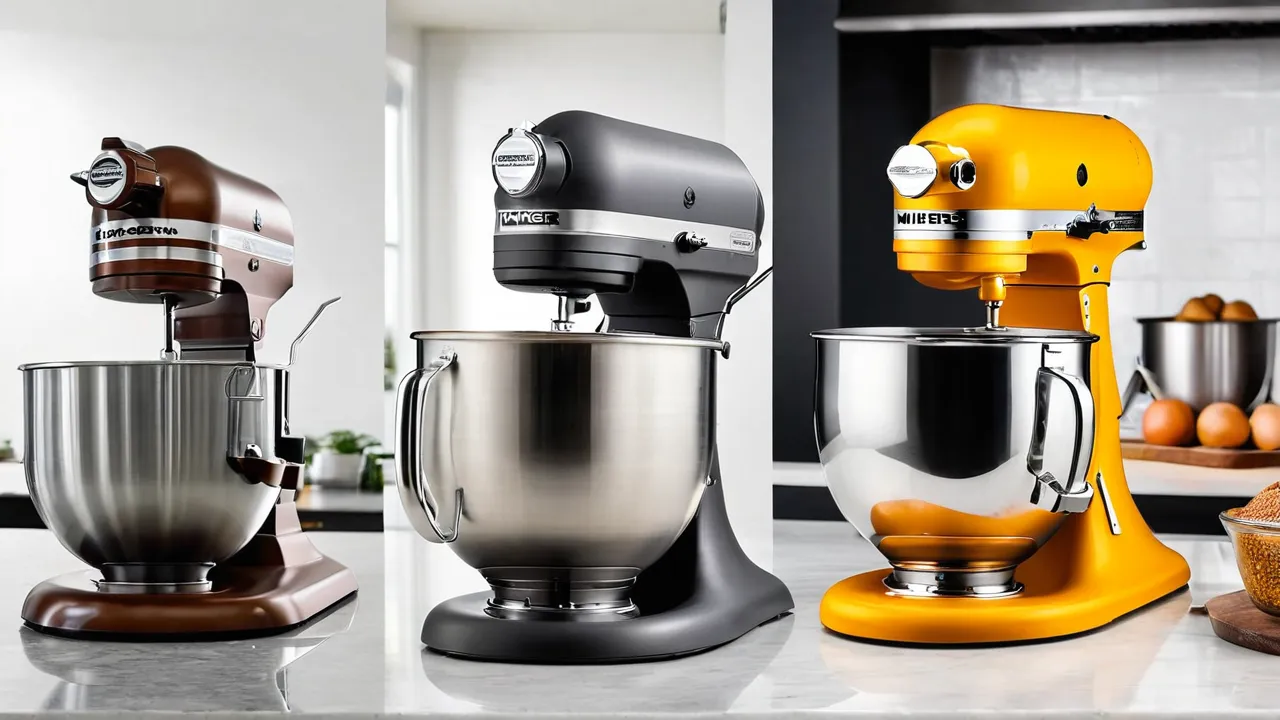
Most home bakers do not need a commercial mixer. Commercial stand mixers are built for hours of daily heavy use, with large bowls, strong gearing and a floor or heavy bench footprint, and some need a dedicated circuit or higher voltage. Choose one if you bake for sale in large batches, make heavy dough daily or want a machine that can run for long periods. Choose a home stand mixer for family baking, occasional bread and a counter that must stay usable.
The word heavy duty appears on home mixers too, so it helps to separate marketing from real commercial design. This guide compares duty cycle, size, power, installation and warranty so you can decide whether the commercial route makes sense.
What Makes a Mixer Commercial
A commercial mixer is designed for continuous or frequent use in a food business, such as a bakery, restaurant or commissary kitchen. Typical features include a larger bowl, a motor and gearbox sized for heavy loads, a sturdy frame, and controls and guards that meet workplace requirements. Many are certified for food service by recognized sanitation and safety organizations, though certification varies, so check the specification.
A home mixer is designed for household use, which means short sessions with rest in between. Motors and gears are sized for typical home loads, and the machine is lighter. Many home mixers are excellent for their purpose, but they are not rated for hours of daily heavy dough.
The key concept is duty cycle: how long and how often a machine can run at a given load without overheating or wearing out. Commercial machines are designed for high duty cycles. Home machines are not, and manuals often limit continuous run time.
Bowl Size and Batch Capacity
Commercial mixers have much larger bowls. Where a home mixer’s bowl is measured in a handful of quarts, commercial mixers start at larger sizes and go up to very large capacities in the dozens of quarts or more. That allows several loaves or large batches of dough or batter in one run. Capacity ratings are given for specific mixtures, and the manual states them.
Do you need that? If you make one or two loaves or a few dozen cookies at a time, no. If you bake for a farmers market, a cafe or a catering business, a larger bowl saves time. Think about the batches you make weekly, and whether a home machine would need several runs to match.
Power, Voltage and Electrical Needs
Home mixers plug into a standard household outlet. Commercial mixers may need more. Some smaller commercial models run on a standard outlet, but larger ones often need a dedicated circuit, a higher amperage supply or a different voltage than a household outlet provides. Some require a three phase supply in certain installations.
Do not assume a commercial mixer will plug into your kitchen outlet. Check the nameplate and the specifications, and have a licensed electrician confirm that your supply and breaker are suitable. Overloading a circuit is a fire risk. Use no extension cord or adapter that is not rated for the load, and do not modify plugs.
Footprint, Weight and Installation
Commercial mixers are heavy and tall, and many are floor models or sit on a stand or bench. They may weigh many times what a home mixer weighs, and they need a stable, level surface and clearance. Some are bolted down. Moving them is a job for more than one person, so plan the delivery path and the doorway width.
Space also includes access for cleaning, attachments and a place to store bowls and tools. A mixer that occupies a corner of a home kitchen may be impractical. Measure the space and the ceiling height, and check the floor load.
Cost, Warranty and Service
Commercial mixers cost far more than home mixers, and the cost extends to accessories. They also come with different warranty structures, often tied to business use, and service networks that offer on site support. A commercial warranty may cover parts and labor for a defined period, and the machine may be repairable for decades with available parts.
Conversely, using a home mixer commercially can void the warranty. Home warranties usually apply to household use only. If you bake for sale and a home mixer fails, you may not be covered. Read the warranty terms before you buy, and ask the manufacturer in writing if the use is unclear. Read the section on covered use and on parts and labor with particular care.
Regulation may matter as well. If you sell food, local health authorities may require specific equipment standards. Check with your local licensing or health office, and with the equipment maker about certifications.
Selling Baked Goods From Home
Rules for home bakers who sell vary by state and sometimes by county, and they can include equipment, labeling and inspection requirements. A home mixer may be acceptable for small cottage food operations, but check your local health office, since the rules are theirs to state and they change. Keep your purchase paperwork and the warranty terms where you can find them.
The Middle Ground: Heavy Duty Home Mixers
Between a basic home tilt-head and a floor model commercial mixer sits a group of larger home mixers, often bowl-lift designs with bigger bowls and stronger motors. They plug into a standard outlet, fit on a counter and handle weekly bread and large cookie batches. They are the practical answer for serious home bakers and for people who sell a little at a local market.
Be cautious with labels such as professional or heavy duty on a home mixer. They describe a product line, not a certified commercial rating. The meaningful evidence is in the specification: the stated dough capacity, the gearing and the warranty terms. A home mixer with a clear dough rating and a metal gear train is built for heavier use than one that lists only a wattage and a bowl size.
If you are close to the line, consider two runs on a home mixer against one run on a commercial one. A second batch takes more time but costs nothing in space or wiring. If you find yourself running the mixer several hours a day, that is the signal to price a commercial unit, along with a service plan and the right electrical supply.
A used commercial mixer can look like a bargain, and many are sturdy, but check the voltage, phase, condition of the gears and the availability of parts, and ask whether the unit has been used in a way that matches your plans. Delivery and installation costs can eclipse the price.
Five Questions Before You Spend More
1. How many hours per week will the mixer run at full load? Home use is usually short sessions, and business use can be hours daily.
2. What is the largest batch you mix, and how often? Measure in pounds of dough or flour, not bowl quarts.
3. Do you sell what you make? If so, check your warranty wording and local licensing rules.
4. Can your kitchen supply the power the nameplate asks for?
5. Where will it live, and can you lift or move it safely?
If the answers are small batches, occasional use, no sales and a standard outlet, a home mixer is the sensible path. If most answers point to volume, a commercial or at least a heavy duty bowl-lift model is the better match. Mixed answers suggest a large home bowl-lift and a plan to split batches.
Who Needs Heavy Duty
- Choose a commercial mixer if you bake daily in large volumes, sell baked goods and need a machine rated for commercial use.
- Choose a heavy duty home mixer, with a bowl-lift design and a clearly stated dough capacity, if you bake bread weekly and want more strength without commercial installation.
- Choose a standard home mixer for occasional baking, cakes and cookies.
- Skip a commercial mixer if you lack the space, electrical supply or need.
- Skip a home mixer for a business that depends on daily heavy mixing.
For models in between, see the stand mixers category and the best stand mixer roundup.
Safety Notes
Some commercial mixers need dedicated circuits, so have a licensed electrician check your supply. Commercial mixers have powerful motors, so follow the manufacturer’s instructions, use guards and keep hands out of the bowl while running. Unplug before cleaning, and follow workplace safety rules and the standard your employer or local authority requires. Lift heavy machines with help.
Frequently Asked Questions
What is the difference between a commercial and a home stand mixer?
A commercial mixer is built for long daily use with a larger bowl, stronger gearing, a heavier frame and often higher power needs. A home mixer is built for short sessions at household volumes. The difference is the duty cycle, meaning how long the machine can run at load without overheating or wearing out.
Do I need a commercial stand mixer for home baking?
Almost never. Most home bakers are well served by a good home mixer, and a large bowl-lift model covers heavier dough. A commercial mixer makes sense if you bake daily in volume, sell what you make or regularly mix batches beyond your home mixer’s stated limit.
Can a home stand mixer be used in a business?
It can run, but many home warranties exclude commercial use, and home machines wear out faster under business loads. Read the warranty wording, and check local rules if you sell food. For daily business use, a commercial machine with a service route is usually the safer long-term choice.
Do commercial stand mixers need special wiring?
Some do. Smaller commercial models may use a standard outlet, while larger ones can need a dedicated or higher rated circuit, or different voltage. Read the nameplate and specifications, and have a licensed electrician confirm your supply before you buy or install one.
Final Thoughts
Commercial mixers are built for work that home mixers are not, and the choice follows from volume, space, power and warranty. Most home bakers are best served by a good home mixer with a stated dough capacity. If you bake for sale in large batches every day, a commercial model is the right tool, and you should plan for installation, electrical supply and service. For how we weigh these tradeoffs, read how we review.
Related buying guides
- How Long Do Stand Mixers Last and What Fails First
- How to Choose a Stand Mixer: Capacity, Motor, Build
- Stand Mixer Attachments Worth Buying and Ones to Skip
About the author

The BuyOnceChoice Editorial Team researches durable products worth buying once. Our guides compare published specifications, warranty terms, expert review consensus, and verified owner feedback. We do not conduct our own product trials. See How We Review and our Editorial Policy for our standards.