Stand Mixer for Small Batches: Is Smaller Bowl Better
Find out whether a smaller bowl helps small batches, how minimum quantities for whipping work, and when a hand mixer or compact mixer is the answer.
 By BuyOnceChoice Editorial Team
Updated November 16, 2026
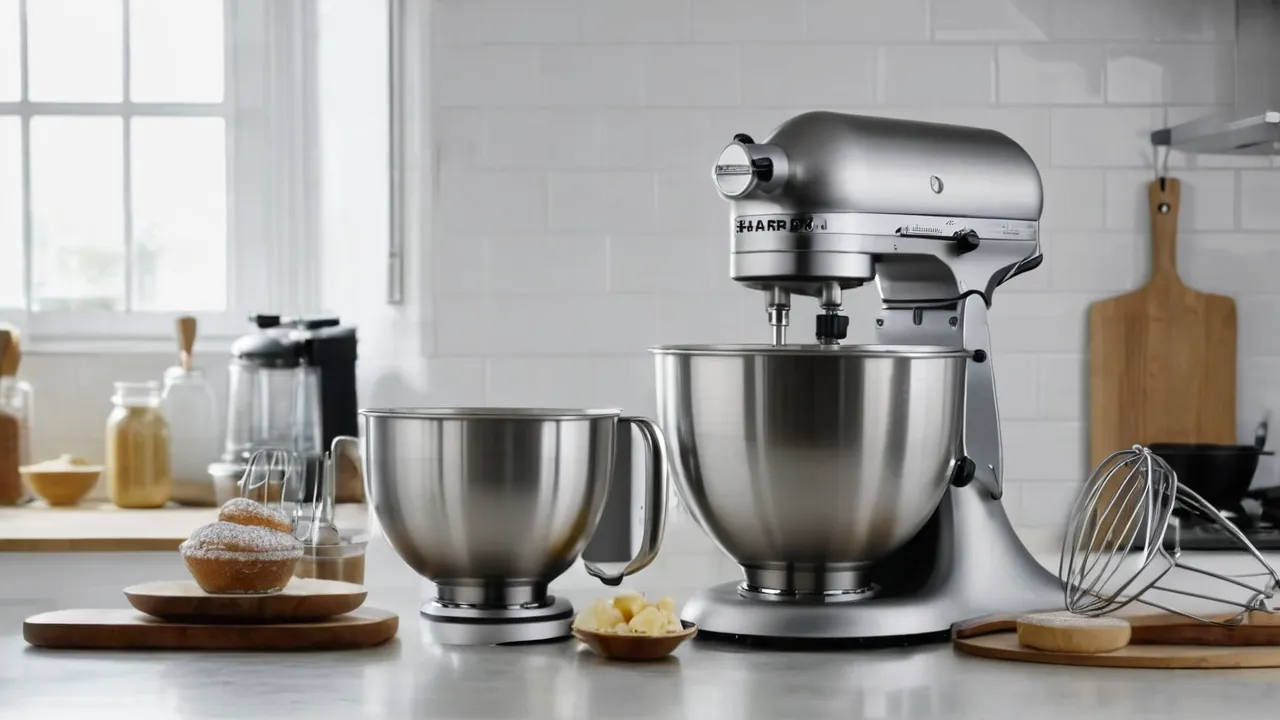
A smaller bowl is better for small batches, because the beater needs enough ingredients to reach and contact them. In a large bowl, a single egg white or a small amount of cream can slide around the bottom without being whipped. If you mostly bake one cake or a dozen cookies, a compact mixer with a smaller bowl is a sensible choice. If you also make big batches, a larger bowl with a second small bowl, or a hand mixer for tiny jobs, covers both cases.
Stand mixers are often sold on bowl size, and bigger sounds better. But a large bowl is a poor tool for small amounts. This guide explains why, how to judge minimum quantities, and what to do if you bake in both small and large batches.
Why Bowl Size Matters for Small Amounts
A stand mixer beater moves in a path set by the machine, which is designed to sweep the bowl in a planetary motion. The beater clears the bowl by a small gap, and the gap is tuned for the bowl’s shape. When the amount of ingredient is small, it spreads thin across the bottom, and the beater may skim over it rather than catch it.
Whipping is the clearest example. Egg whites and cream need enough depth for the whip to move through them and trap air. A single egg white in a large bowl can be too shallow for the whip, and you end up with a thin film that never foams. The same goes for a small amount of cream or a small quantity of frosting.
Creaming butter and sugar, mixing small batches of dough and mashing a single potato also benefit from a bowl scaled to the amount. If you must scrape constantly, the bowl is probably too big.
Judging Minimum Quantities
Manufacturers sometimes state minimums in the manual or recipe guide, such as a minimum number of egg whites or a minimum amount of cream. Check the manual for your model. If there is no guidance, use a simple method.
- Look at the depth of the mixture in the bowl. The beater should be partly submerged in it as it moves.
- For whipping, a depth that covers the lower part of the whip is a good sign.
- For batters, the mixture should reach beyond the bottom curve of the bowl.
- If ingredients spread thinly across the bottom, use a smaller bowl or a different tool.
If you have a large bowl and a small recipe, you can double the recipe and freeze half, use a hand mixer, or whisk by hand. For egg whites, adding one more white and saving the leftover for another use is a common trick. Do not add water to cream to fill the bowl.
A Decision Method With Numbers
Write your smallest regular recipe and your largest. Look up the bowl size in quarts for the models you are considering, and the stated minimum, if the maker gives one. For a rough check, picture the mixture spread across the bowl floor. If the batter would be only a shallow layer, the beater is likely to miss it. A smaller bowl of about four to five quarts, if it suits your biggest recipe, is easier on small batches than a very large one. If your largest recipe needs more than the small bowl can handle, you need a bigger bowl, and you manage small jobs another way. These sizes are examples, so use the maker’s stated capacity for each model.
Compact Mixers and Smaller Bowls
Compact and mini stand mixers have smaller bowls, lighter weight and a smaller footprint. They suit small households, small kitchens and bakers who make one cake or a few dozen cookies at a time. A smaller bowl helps whip small amounts and mix small batches evenly.
Limits: a compact mixer has a smaller motor and a smaller dough capacity. It may struggle with stiff dough or large batches. Check the stated capacity, and read the manual’s limits on run time. If you want to bake bread weekly, a compact mixer may not be enough.
Consider what you will do ten times, not once. If most of your baking is small and occasional, a compact mixer is a better match than a large one that never fills.
Options for Mixed Needs
If you sometimes bake large and often bake small, you have options.
- Buy a mixer with a bowl size in the middle, which handles moderate batches and still whips small amounts reasonably.
- Buy a second, smaller bowl for the same mixer, if the manufacturer sells one. Some brands offer different bowl sizes for the same model line.
- Keep a hand mixer for small jobs, such as whipping one egg white or a cup of cream.
- Use a whisk and a bowl for tiny tasks, which is fast and requires no cleanup of a large bowl.
- Own a compact mixer for small batches and rent, borrow or use a hand mixer for large ones.
Check the manual to see which bowls fit your model. See the stand mixers category for models by size.
Beater Clearance and Small Batches
Beater clearance affects small batch performance. If the beater sits too high, it leaves ingredients at the bottom unmixed, and if it sits too low it scrapes the bowl. Many mixers have an adjustment screw, and the manual explains the setting. A well adjusted beater sweeps the bowl effectively, which helps small amounts.
Flex edge beaters help too, since the soft edge scrapes the bowl and moves small amounts back into the path. If you often make small batches, consider a flex edge beater, and check that it fits your bowl.
Worked Examples for Everyday Recipes
Consider a few common small jobs. One egg white for a cocktail or a recipe topping needs a whisk or a hand mixer in a small bowl, not a seven quart stand mixer bowl. A half cup of heavy cream for a dessert whips better by hand or with a hand mixer in a deep, narrow bowl. A single batch of cookie dough that makes a couple of dozen cookies fits a mid size bowl, though a tilt-head with a smaller bowl mixes it more evenly.
Now consider mid size jobs. A standard cake batter fills a mid size bowl to a good depth, and a two layer cake recipe works well in most standard stand mixer bowls. Pie dough and biscuit dough are often cut together by hand or with a pastry blender, so the bowl size matters less.
Finally, consider large jobs. A double batch of bread dough, holiday cookie quantities and a large batch of mashed potatoes want a large bowl and a stronger motor, and a compact mixer will struggle. If these are annual events, a hand method or a borrowed machine may serve better than owning a large mixer all year.
A helpful habit is to write the largest and smallest recipe you make on a note near the mixer. When you shop, check that your smallest recipe still whips properly and your largest fits within the stated capacity. If the two are very far apart, accept that no single bowl suits both, and plan on a small second tool.
Cleaning a smaller bowl is also easier. A small steel bowl goes in a dishwasher rack or a sink without taking over the counter, which makes a mixer more likely to be used for quick jobs. Many owners find that the convenience of a small, light bowl does more to increase use than any power rating.
Questions to Ask Before You Buy
- Does the maker state a minimum amount for whipping cream or egg whites?
- Is a smaller second bowl sold for the same mixer?
- Does the beater have a flex edge, and is the clearance adjustable?
- What dough and batter limits are stated for the smaller bowl?
- Is the mixer light enough to move easily between counter and cabinet?
Who Should Choose What
- Choose a compact mixer with a smaller bowl if you bake small batches and have limited space.
- Choose a mid size mixer if you bake both small and moderate batches.
- Choose a large mixer only if you regularly make big batches or heavy dough.
- Skip a very large bowl if you often whip one or two egg whites.
- Skip a stand mixer if you rarely bake, and use a hand mixer.
For help comparing models, read the best stand mixer roundup.
Safety Notes
Unplug the mixer before changing the bowl or beater, and keep hands and utensils out of the bowl while running. Raw egg whites and cream can carry bacteria, so follow food safety guidance and wash the bowl and whip thoroughly after use. Plug into a grounded outlet and avoid extension cords.
Frequently Asked Questions
Is a smaller stand mixer bowl better for small batches?
Yes, in most cases. The beater follows a fixed path, so a small amount of ingredients in a large bowl may sit out of reach, leaving unmixed pockets. A smaller bowl keeps the mixture deep enough for the beater to catch, which helps whipping and creaming.
Why does my stand mixer not whip a small amount of cream?
The whip needs enough depth to move through the cream and trap air. In a large bowl a small amount spreads thin and the whip may miss it. Use a smaller bowl, add more cream, whisk by hand or use a hand mixer for tiny quantities.
How do I mix a small batch in a large stand mixer bowl?
Double the recipe and freeze half, use a hand mixer or whisk, or scrape the bowl often. Lowering the beater clearance slightly, if the manual allows, and using a flex edge beater can also help. Check the maker’s minimum guidance for whipping.
Is a mini stand mixer worth it for small households?
It can be, if most of your baking is small and occasional. Compact mixers have smaller bowls, lighter weight and a smaller footprint. They have smaller motors and limited dough capacity, so check the stated limits if you plan to make bread or stiff dough.
Final Thoughts
For small batches, a smaller bowl works better, because the beater needs enough ingredients to catch. Match the bowl to the amounts you make most often, add a small bowl or a hand mixer for tiny jobs, and adjust beater clearance. Large bowls shine with large batches, not small ones. For more on how we compare mixers, read how we review.
Related buying guides
- Stand Mixer Maintenance: Greasing and Gear Care
- Stand Mixer Size Guide: Quarts for Your Baking
- Stand Mixer vs Bread Machine for Dough
About the author

The BuyOnceChoice Editorial Team researches durable products worth buying once. Our guides compare published specifications, warranty terms, expert review consensus, and verified owner feedback. We do not conduct our own product trials. See How We Review and our Editorial Policy for our standards.