How to Choose a Stand Mixer: Capacity, Motor, Build
Match bowl size to your biggest regular batch, check gear material and parts support, and learn who is better off with a hand mixer than a stand mixer.
 By BuyOnceChoice Editorial Team
Updated November 16, 2026
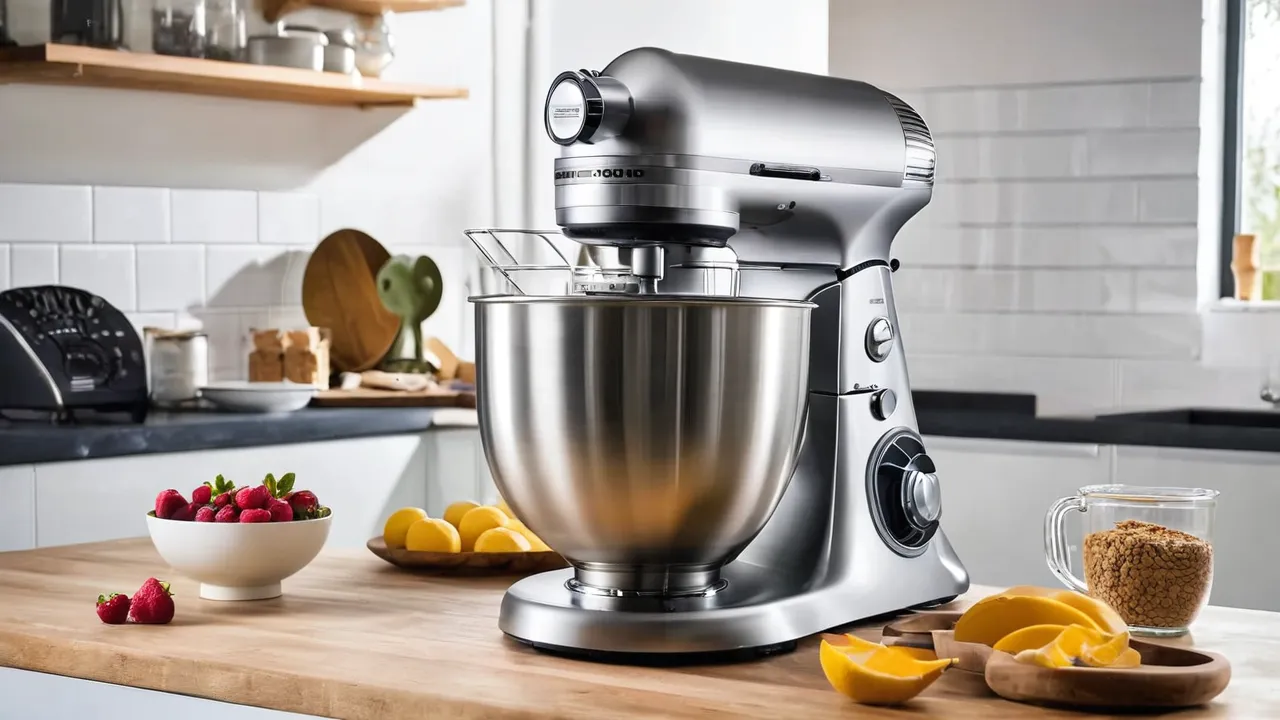
How to choose a stand mixer starts with your largest regular batch, not the most impressive spec. Pick a bowl that handles your heaviest dough or batter with room to spare, check the gears and drive for durable construction, confirm that parts and service exist, and be honest about whether you bake often enough to justify the counter space.
Start With Your Heaviest Regular Batch
Stand mixers are rated by bowl capacity in quarts, but that number describes the bowl, not what the motor can mix. Think about the heaviest thing you make regularly. Stiff bread dough puts far more strain on a mixer than whipped cream or cake batter, and a double batch of cookie dough sits between them.
Write down your recipes by type. For batters and light doughs, a mid sized bowl is usually enough. For bread, especially more than one loaf at a time, look at the maker’s stated dough capacity, which is often given as a flour weight or loaf count. Manufacturers publish these figures in the manual or specs, and they are more useful than the quart number. If a listing gives none, treat it as unknown.
Also think about the smallest batch. Some large bowls struggle to whip a small amount of cream or a single egg white because the whisk cannot reach the bottom. A mixer that does both small and large jobs well has a bowl that fits your range.
Batch Math You Can Do at Home
Use this approach.
1. List your three most common recipes and note the weight of flour or the total volume of batter.
2. Pick the heaviest one and add a margin, since overfilled bowls strain the motor and spill.
3. Compare that weight with the maker’s stated maximum for dough and for batter. Use the dough number for bread and pizza dough.
4. Choose a bowl and a model whose stated limits exceed your heaviest regular batch, not just the occasional holiday batch.
If your heaviest regular batch is a single loaf of bread, a smaller machine can work. If you routinely make several loaves or doubled recipes, size up.
The Motor: What to Look For
Wattage is a rough input figure and does not tell you how much torque the mixer delivers at the beaters. Two machines with different watt ratings can handle the same dough, depending on gearing and motor design. Our companion piece on wattage explains why. For buying, look for the maker’s stated dough capacity, a motor that runs at slow speeds without stalling, and a design the maker describes for bread.
Some mixers use direct drive and others use a motor with gear reduction. A heavy dough puts load on the whole drive train, so listen to what owners say about bogging down, but treat single anecdotes cautiously.
What to Ask the Maker About Torque
Wattage is a weak signal on its own, so ask what the maker states about the largest dough batch, the recommended speed for dough and the maximum kneading time. Look for a limit given in cups of flour or pounds of dough. A maker that states clear limits and a warranty that covers the motor and gears is giving you evidence you can use. A maker that lists only wattage and bowl size is giving you marketing.
Gears and Build Quality
The gears transfer motor power to the beater. Metal gears are generally more durable under heavy loads than plastic ones, though good design and lubrication matter as much as the material. Some mixers use a mix, with a sacrificial plastic part meant to fail before more expensive gears do, which can be a reasonable design if it is replaceable.
Check the product page and manual for statements about gear material. If it says nothing, treat that as unknown, and ask the maker. Other build clues include a heavy base that stays put at speed, a stable bowl lock, and a smooth beater height adjustment. A light mixer that walks across the counter on stiff dough is a sign of a mismatch.
Repairability and Parts
A mixer that lasts decades needs parts and service. Look for a maker that sells beaters, bowls, gaskets, and grease, offers a service network, and publishes warranty terms. Metal bowls and beaters wear less than coated ones, and coated beaters can chip, so check the care instructions for dishwasher safety.
Ask whether the beater height is adjustable. A beater that touches the bowl can wear the coating, and one too high leaves unmixed batter at the bottom. A small screw adjustment is a feature that matters, and the manual explains how it is done.
Tilt Head or Bowl Lift
The two common designs differ in how you access the bowl. A tilt head design hinges up, which makes adding ingredients and swapping beaters easy. A bowl lift design raises the bowl on arms toward a fixed head, which gives more stability with heavy dough. Our separate comparison covers this in depth. In short, the tilt head suits most home bakers, and the bowl lift suits heavy dough and larger batches.
Attachments and Hub Power
Many stand mixers have a front hub that powers attachments such as pasta rollers, meat grinders, and food processors. If you plan to use one, confirm that the hub exists, that the attachments are sold for your model, and that the maker says the motor suits them. Attachments are a good way to spread the cost of a machine across more uses, though the heavier ones, such as a grinder, put long loads on the motor, which the manual may limit by time.
Also look at the standard accessories. A flat beater, a dough hook, and a whisk cover most jobs. A bowl with a handle is easier to pour from, and a pouring shield cuts flour mess. Spare bowls are worth having for baking sessions that move from batter to meringue without washing in between, and sold separately parts make that practical.
A Practical Ranking of What to Weigh
If you must rank the criteria, this order works for most bakers.
1. Stated capacity for your heaviest regular dough.
2. Warranty length and clear coverage terms.
3. Availability of parts and a service route.
4. Gear and drive construction described by the maker.
5. Bowl access style, tilt head or bowl lift.
6. Counter footprint and weight.
7. Attachment hub and accessories.
8. Color and finish, which matter least for performance.
Notice that wattage does not appear in this ranking. It is not irrelevant, but it is a weak guide on its own, and relying on it alone is a common mistake.
Quick Rules by Type of Baker
- Occasional cake and cookie baker: a tilt head with a mid sized bowl, plus a clear warranty, is usually enough.
- Weekly bread baker: look at bowl-lift designs with a stated dough capacity that exceeds your heaviest regular batch.
- Frequent baker of doubled recipes: size up the bowl, but confirm the maker’s dough limit rather than relying on quarts.
- Attachment fan with pasta or grinder plans: confirm the hub, the attachment lineup and the parts supply before buying.
- Small kitchen: check weight and height, since a mixer stored in a cabinet gets used less.
Who Should Skip a Stand Mixer
A stand mixer is not for everyone. Skip it if you bake only a few times a year, since a hand mixer does that job at a smaller cost and takes far less space. Skip it if you lack counter or cabinet room, since these machines are heavy and awkward to lift. Skip it if your main need is bread and you prefer kneading by hand or using a bread machine. Buy one if you bake regularly, make doughs, or want hands free mixing while you prep other tasks.
Safety and Setup
Unplug the mixer before changing attachments, and keep hands, hair, and utensils away from moving parts. Plug into a grounded outlet, keep the cord away from heat, and never submerge the base. If the unit smells of burning, overheats, or trips a breaker, stop using it and contact the manufacturer or a licensed electrician. Follow the manual for speed limits on heavy dough.
Frequently Asked Questions
What size stand mixer do I need?
Choose by your heaviest regular batch, not the largest quart number. A mid sized bowl suits cakes, cookies and a single loaf. For several loaves or doubled recipes, size up. Compare the maker’s stated dough and batter limits, and remember that very large bowls can struggle with tiny batches.
Is a bowl-lift or tilt-head stand mixer better?
Bowl-lift designs are generally built for heavier loads and larger bowls, while tilt-head designs are easier to use for adding ingredients and swapping beaters. Choose by your heaviest dough and your counter height. Check the maker’s stated dough capacity rather than assuming the design decides.
Does wattage matter in a stand mixer?
Only a little. Wattage describes input power and does not tell you the torque delivered to the beaters. Gear design, build and the maker’s stated dough capacity are better guides. Use wattage as a rough hint and rely on stated limits and warranty terms.
Are metal gears better in a stand mixer?
Metal gears are generally more durable under heavy loads than plastic ones, but design and lubrication also matter. If the product page or manual does not state gear material, treat it as unknown and ask the maker. Look for warranty coverage that includes the drive train.
Final Thoughts
Choose a stand mixer by your heaviest regular batch, the maker’s stated dough capacity, durable gears, and available parts. Skip it if you bake rarely or have little space. Compare candidates in the stand mixer category and the best stand mixer roundup, and read how we review to see how we weigh build and repairability.
Related buying guides
- Stand Mixer Attachments Worth Buying and Ones to Skip
- Stand Mixer Beater Types: Flat, Wire Whip and Dough Hook
- Stand Mixer Bowl Materials: Steel, Glass, Ceramic
About the author

The BuyOnceChoice Editorial Team researches durable products worth buying once. Our guides compare published specifications, warranty terms, expert review consensus, and verified owner feedback. We do not conduct our own product trials. See How We Review and our Editorial Policy for our standards.