Stand Mixer Beater Types: Flat, Wire Whip and Dough Hook
Learn what each stand mixer beater does, the difference between coated and steel versions, and which can go in the dishwasher.
 By BuyOnceChoice Editorial Team
Updated November 16, 2026
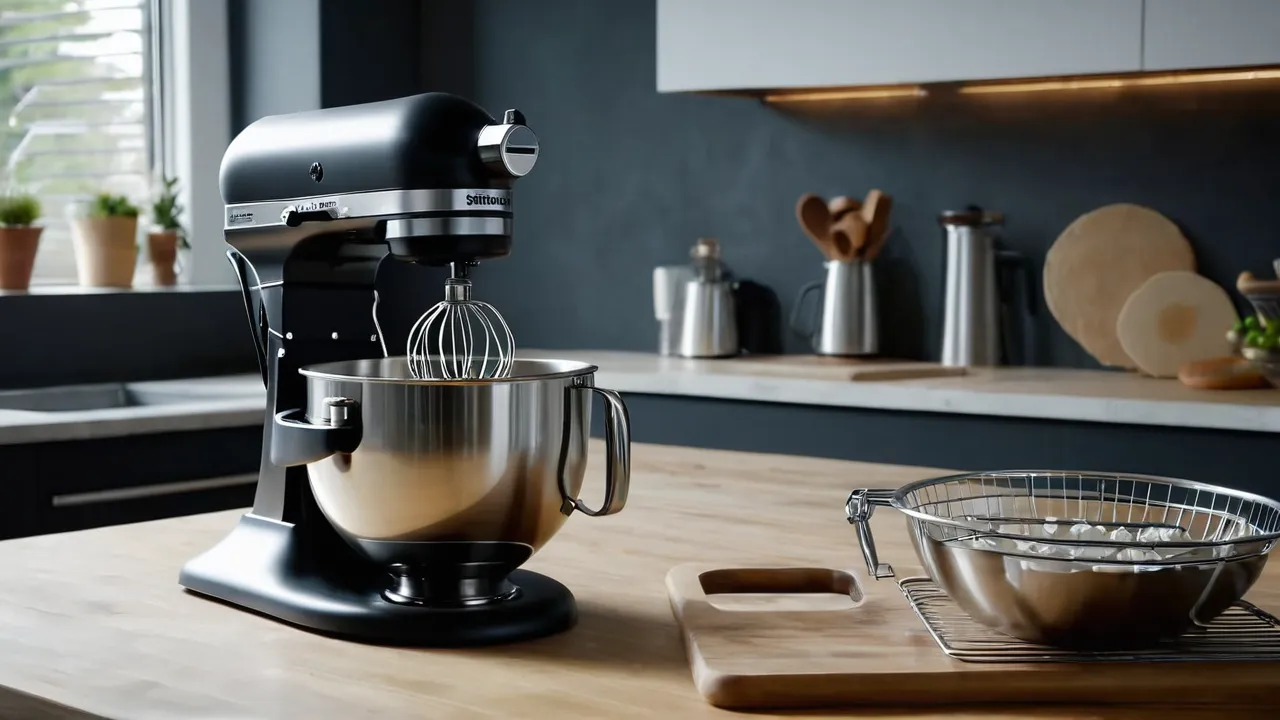
A stand mixer usually comes with three beaters. The flat beater mixes batters, creams butter and sugar, and handles cookie dough. The wire whip adds air to cream, egg whites and light mixtures. The dough hook kneads yeast dough. Beaters come coated or in stainless steel, and dishwasher rules vary by material, so check the manual. Using the wrong beater is a common cause of poor results and strain, so match the tool to the task.
Beaters look simple, but they decide how a mixer behaves with each recipe. This guide explains each type, what it should and should not do, how coatings and steel differ and how to care for them so they last.
The Three Standard Beaters
The Flat Beater
The flat beater, sometimes called a paddle, is the general purpose tool. It has a broad, flat shape that scrapes along the bowl and folds ingredients together.
Use it for:
- Cake and muffin batters.
- Creaming butter and sugar for cookies.
- Cookie dough, including dough with chips or nuts.
- Mashed potatoes and some frostings.
- Shredding cooked meat, with a slow speed, in some recipes.
Avoid using it for yeast bread dough, which needs kneading, and for whipping cream or egg whites, where it will not trap enough air. Many models also offer a flex edge version with a silicone or rubber edge that scrapes the bowl as it turns. The edge reduces the need to stop and scrape, though the edge can wear and need replacement. Check whether the flex edge is dishwasher safe.
The Wire Whip
The wire whip is a set of thin wires in a balloon shape. It beats air into liquids, which is why it suits whipped cream, egg whites, meringue, mayonnaise and light batters such as sponge cake.
The wires are thin, and heavy mixtures can bend or break them. Do not use a wire whip for stiff cookie dough, mashed potatoes or thick batters. The limits are in the manual. Use medium to higher speeds for whipping, and start low to avoid splashing.
Wire whips differ in the number and thickness of wires. More wires usually whip faster, but there is no universal rule, and construction quality matters. Check the whip for dents and loose wires, since damaged wires reduce performance and can shed metal. Replace a damaged whip.
The Dough Hook
The dough hook kneads yeast dough. Common shapes include a C shaped hook and a spiral hook. Both push and fold the dough against the bowl, developing gluten. The hook is designed for low speeds and sustained loads, and you should follow the manual’s speed and time guidance.
Use it for bread, pizza dough, rolls, bagels and similar doughs. Avoid using it for batters, which it will not mix evenly. Dough tends to climb a C hook, and spiral hooks may keep dough in the bowl more effectively, though results depend on the recipe and the amount. Stay within the capacity limits, and do not overload the motor. Weigh the flour and compare it with the manual’s stated dough capacity before you start.
Coated Versus Stainless Steel Beaters
Beaters come in a few finishes, which affect cleaning and durability.
- Coated beaters have a nonstick or enamel coating, often over aluminum. They are lighter, may be quieter and are easy to clean by hand. The coating can chip over time, particularly if the beater scrapes the bowl, and chips are a reason to replace the beater. Many coated beaters should not go in the dishwasher, since detergent and heat can damage the coating and aluminum beneath it.
- Uncoated aluminum beaters can oxidize and darken in a dishwasher, leaving a gray residue. Hand washing avoids this.
- Stainless steel beaters resist corrosion, tolerate the dishwasher and are usually more durable, though they can be heavier and more expensive. Check that the beater and the shaft fit your model.
A stainless set is the buy once choice for anyone who wants dishwasher cleaning. If you prefer coated beaters, treat them gently and inspect them periodically.
Which Speed for Which Beater
Speed is part of using the right tool. As a rule of thumb for most mixers, low speeds suit the dough hook and the start of any mix, to avoid flour clouds and splashes. Medium speeds suit the flat beater for creaming and batters. Higher speeds suit the wire whip, which needs air. The manual gives the speed numbers for your model, and most warn against using high speeds with heavy mixtures.
Start every mix slowly. Add dry ingredients in stages, and scrape the bowl when needed, since unmixed flour or butter at the bottom is common. Use the shield or a towel draped over the bowl to cut splatter. When the recipe says mix until just combined, stop as soon as the flour disappears, since overmixing makes cakes tough.
Order of use matters too. If a recipe has you cream butter and sugar with the flat beater, then fold in whipped egg whites, switch to a bowl and a whip for the whites first, or whip them in a clean second bowl. A second bowl saves a wash. Keep wire whips away from fat, because grease in a bowl or on the whip stops egg whites from foaming.
A Quick Recipe Map
- Cakes, muffins, quick breads: flat beater.
- Creaming butter and sugar, cookie dough, mashed potatoes: flat beater.
- Whipped cream, meringue, egg white foams: wire whip.
- Yeast bread, pizza dough, rolls, bagels: dough hook.
- Shredding cooked chicken or mixing meatballs: flat beater at low speed.
- Heavy mixtures that make the wire whip flex: switch to the flat beater.
When a recipe says to use one tool and then another, stop the mixer, unplug, change the beater and lock it in before starting again.
Dishwasher Rules
Dishwasher rules depend on the beater and the manufacturer. Some are dishwasher safe, while others are hand wash only. The manual or the product page will say. If it does not, wash by hand with warm soapy water and a soft sponge, rinse and dry. Dishwasher detergent is harsh, and repeated cycles can dull or damage coatings.
If you do use a dishwasher, place beaters where they will not rub against hard items, and remove them promptly after the cycle. Dry them before storage to prevent corrosion at the shaft.
Fit, Clearance and Replacement
Beaters fit specific models. The shaft, the pin and the bowl size must match. Check the model compatibility on the product page, and buy parts from the manufacturer when possible. Third party beaters exist, and fit may vary, so check the return policy.
Clearance matters. If the beater touches the bowl, it scrapes and wears, and if it sits too high, it leaves unmixed ingredients at the bottom. Many mixers have an adjustment screw, and the manual explains how. Check clearance after a drop or after replacing a beater. Browse the stand mixers category to see which models ship with which beaters.
How to Check Beater Clearance
Clearance is the gap between the beater and the bowl. With the mixer unplugged and the head locked down, lower the beater into the empty bowl and look at how close it comes to the bottom. A beater that scrapes the bowl wears the coating and the bowl. One that sits too high leaves unmixed batter at the bottom. Many mixers have an adjustment screw, and the manual explains how to set it. If your model has no adjustment and the gap looks off, contact the maker.
Who Should Choose What
- Choose stainless steel beaters if you want dishwasher cleaning and durability.
- Choose coated beaters if you wash by hand and want light, quiet tools.
- Choose a flex edge flat beater if you dislike scraping the bowl.
- Buy a spare flat beater and whip if you bake often, since beaters are inexpensive and wear out.
- Skip using the wrong beater for the job, as it strains the motor and hurts results.
Safety Notes
Unplug the mixer before changing beaters, and make sure the beater is locked in before starting. Keep hands, spoons and spatulas out of the bowl while the motor runs. Replace chipped coated beaters, since flakes can end up in food. Follow the manual.
Frequently Asked Questions
What is the flat beater used for in a stand mixer?
The flat beater, or paddle, is the general purpose tool for cake batters, cookie dough, creaming butter and sugar and mashed potatoes. It scrapes along the bowl and mixes evenly. Do not use it for yeast bread dough, which needs kneading, or for whipping cream and egg whites.
When should I use the wire whip?
Use it for whipping cream, egg whites and light batters that need air, such as meringue and sponge cakes. Avoid stiff mixtures like cookie dough, which can bend or break the wires. Start at a low speed and increase gradually, and watch the mixture so you do not overwhip.
Can I knead bread with the flat beater?
It is not designed for yeast dough and will not knead well. Use the dough hook for bread, pizza dough and rolls, and stay within the maker’s stated dough capacity. If a recipe has a stiff dough that strains the mixer, finish kneading by hand.
Are stand mixer beaters dishwasher safe?
It depends on the material and the maker. Stainless steel beaters usually can go in the dishwasher, while coated beaters may be hand wash only. Check the manual, and if you use a dishwasher, keep beaters from rubbing against hard items and remove them promptly after the cycle.
Final Thoughts
Match the beater to the task: flat for batters and cookie dough, whip for air and hook for yeast dough. Choose a finish that suits how you wash, check fit and clearance, and replace damaged parts. For comparing mixers, see the best stand mixer roundup and how we review.
Related buying guides
- Stand Mixer Bowl Materials: Steel, Glass, Ceramic
- Stand Mixer Buying Mistakes
- Stand Mixer Counter Space and Storage Checklist
About the author

The BuyOnceChoice Editorial Team researches durable products worth buying once. Our guides compare published specifications, warranty terms, expert review consensus, and verified owner feedback. We do not conduct our own product trials. See How We Review and our Editorial Policy for our standards.