Stand Mixer Counter Space and Storage Checklist
A measuring checklist for stand mixer counter and cabinet storage, covering head raised height, depth, weight, lifting habits and cord reach.
 By BuyOnceChoice Editorial Team
Updated November 16, 2026
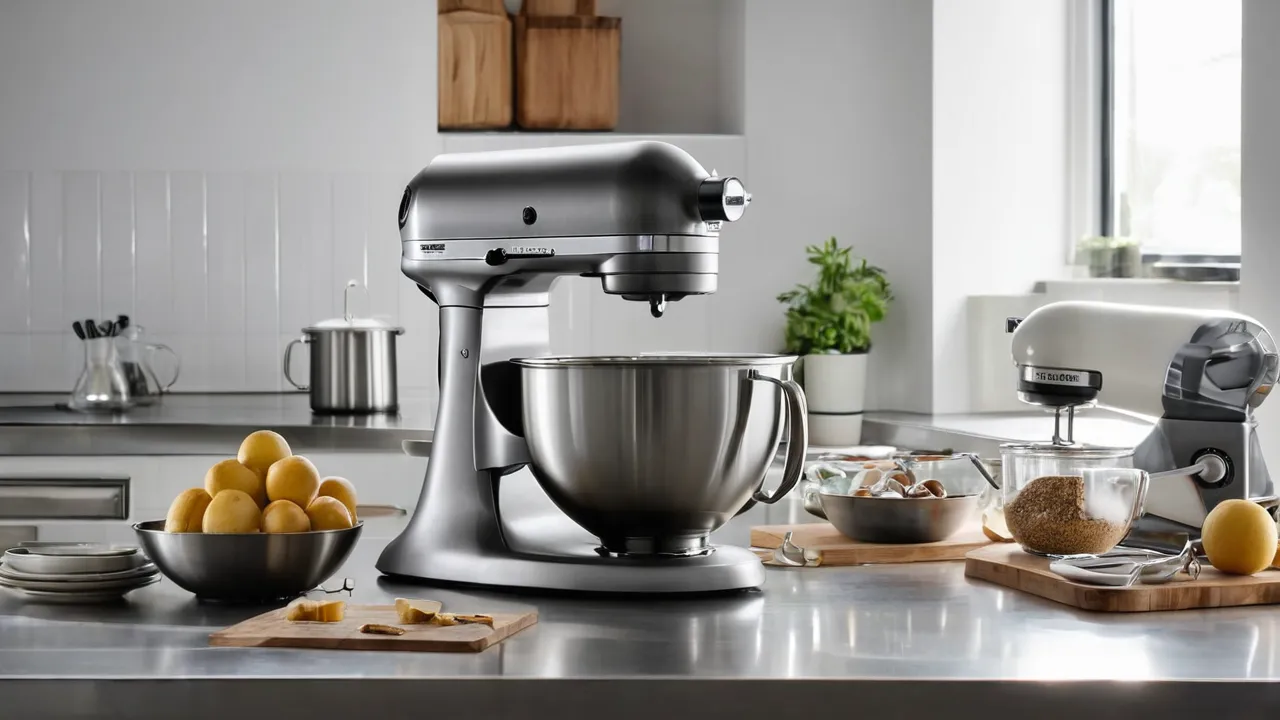
Before buying a stand mixer, measure the shelf or counter spot in three directions, and compare it with the mixer’s height with the head raised, its depth and its weight. A mixer that fits under a cabinet when closed may not clear it when the head tilts back or the bowl lifts. Also decide whether you can lift it regularly. If you cannot, plan for a permanent counter spot with an outlet nearby, and pick a model that suits that place.
A stand mixer is heavy and tall, and many end up unused because lifting them out of a cabinet is a chore. A few measurements before you buy prevent that. This checklist walks you through them.
Why Storage Decides Whether You Use It
A mixer you use weekly will live on the counter, since lifting it each time is a nuisance. A mixer you use a few times a year can live in a cabinet. Decide which you are before you shop, because it changes which dimensions matter.
If it lives on the counter, you need a permanent footprint, clearance above and an outlet within cord reach. If it lives in a cabinet, you need shelf height, shelf strength and a path to carry it. Either way, space for the bowl, the beaters and any attachments must be planned.
Measuring Height With the Head Raised
The product page usually lists the mixer’s height with the head down. What you need is the height with the head raised, or with the bowl lifted, since you will be adding ingredients and swapping beaters.
- For a tilt-head mixer, the head swings up and back. Measure the height of the highest point when the head is tilted and allow extra for your hand.
- For a bowl-lift mixer, the head stays fixed but the bowl rises, and the head height is the full height of the machine. Check that the bowl can be raised and lowered under your cabinet.
- Add a few inches for your hands, a spatula and the beater you are removing.
Measure the distance from the counter to the underside of the wall cabinet, and compare it with the raised height. If it is close, the mixer will be awkward to use in that spot, and you may need to pull it forward onto open counter each time.
Depth, Width and Cord Reach
Measure the depth from the back of the counter to the front edge, and the width of the spot. A mixer’s base is usually compact, but the head extends forward over the bowl, which increases the footprint in use. Leave room to tilt and to reach the controls.
Check the cord. Most mixers have a fairly short cord, and you will want an outlet within reach without stretching it across a walking path. Do not use an extension cord with a heavy mixer unless the manual allows it, since the motor draws significant current. If the only outlet is far away, plan the location around it, or have an electrician add an outlet. Keep the cord clear of the burners and of sinks.
Weight and Lifting
Weight is the factor most buyers forget. Stand mixers are heavy, and bowl-lift models are often heavier than tilt-head. Check the stated weight on the product page, and think about how you would lift it from a low shelf, from a high shelf or from a cabinet with a door that blocks your arms. If you have back, wrist or shoulder issues, the practical answer is a permanent counter spot, or a lighter model.
Practical tips:
- Store it on a shelf between waist and chest height, where lifting is easiest.
- Use a mixer mat or a rolling shelf that lets you slide the mixer out without lifting.
- Lift with your knees, and never lift by the head or the bowl.
- Remove the bowl and beaters before lifting to reduce weight.
Storing the Bowl, Beaters and Attachments
The mixer is only part of the footprint. Bowls are bulky, beaters need a place and attachments add pieces. Decide where each will go, and remember that stainless bowls stack while glass and ceramic bowls need care. Keep beaters together in a bin to avoid losing them, and store attachments in labeled bags. Stainless steel bowls are light and unbreakable, while glass and ceramic bowls add weight and chipping risk, which matters when you stack them.
A Worked Fit Example
Say the gap between your counter and the underside of the wall cabinet is eighteen inches. You find a tilt-head mixer whose listed height with the head down is about fourteen inches, but when the head is raised it needs roughly seventeen. That leaves about an inch of clearance, which is tight, because you also need room to lift the bowl and move the beater. A bowl-lift model might clear because the head does not swing up, but the bowl travels upward, so check what the manual says. The figures here only illustrate the method. Use the dimensions printed in the manual for your model, and measure your own space with a tape.
Cabinet Strength, Shelves and Safety
If you store the mixer on a shelf, check that the shelf can carry the load. Stand mixers are heavy, and a thin shelf with small supports can sag over time. Look at the shelf pins, the material and the span. A shelf that bows under a few pounds of cookware may not hold a mixer plus a bowl for years. Put the heaviest items on the lowest shelves, and avoid placing a mixer above eye level.
If you keep it on the counter, protect the surface. A thin mat under the base reduces vibration and slipping, and the feet of the mixer should sit flat. Mixers walk across the counter when mixing stiff dough at high speed, so keep the machine away from the edge, and keep hands and loose items clear. Never leave a running mixer unattended near the edge of a counter.
Think about heat and moisture. Keep the mixer away from the stove, where grease and heat build up on the housing, and away from the sink, where splashes reach the motor. A dust cover helps if the mixer lives on the counter, but make sure the machine is fully dry and cool before covering it.
Finally, think about the future. If you may move, expect to carry the mixer, and keep the original box or a sturdy container for it. If you share a kitchen, agree on a spot so that the mixer does not get shuffled around. And if you add attachments later, make sure the head clearance and the cabinet space still work with them in place, since some attachments extend forward from the hub.
Counter Spot Checklist
- Measure the height with the head raised against the cabinet above.
- Measure depth and width, and leave room for the head to tilt.
- Confirm an outlet within cord reach, preferably on a circuit not shared with a toaster or kettle.
- Confirm the surface is stable, level and can bear the weight.
- Plan a place for the bowl and beaters that is within reach.
- Keep the spot clear of splashes from the sink and heat from the stove.
Printable Pre-Purchase Checklist
- Measured counter to cabinet clearance, in inches.
- Raised head height or bowl lift height from the manual.
- Depth and width of the base and the bowl.
- Cord length and distance to the outlet.
- Stated weight, and whether you can lift it safely.
- Storage spot height, between waist and chest if possible.
- Shelf strength confirmed, if stored in a cabinet.
- Spot for the bowl, beaters and attachments decided.
- Distance from the stove, sink and window.
Who Should Choose What
- Choose a tilt-head if you have a lower cabinet gap and want easy bowl access, as long as the raised height clears.
- Choose a bowl-lift if you have open counter and make heavier batches, and accept more weight.
- Choose a smaller bowl or a compact model if space is tight or lifting is hard.
- Skip a heavy model if you plan to store it in a high cabinet and lift it often.
- Skip leaving it permanently on the counter if the space is a work zone you need for other tasks.
See the stand mixers category for models by size, and the best stand mixer roundup.
Frequently Asked Questions
How much space does a stand mixer need on the counter?
You need the base footprint plus room around it for the bowl, the raised head and an outlet within cord reach. Measure the height with the head raised against the underside of the cabinet. Check the manual for dimensions, since models differ, and leave space to lift the bowl.
Can a stand mixer fit under a standard kitchen cabinet?
Many fit with the head down, but the head or bowl needs more room when you use it. Measure from the counter to the cabinet underside and compare with the raised height listed in the manual. If clearance is tight, pull the mixer forward when using it.
Is a stand mixer too heavy to store in a cabinet?
Stand mixers are heavy, and bowl-lift models are often heavier than tilt-head ones. If you will lift it often, store it between waist and chest height, or keep it on the counter. A mixer that is hard to lift often ends up unused, so check the stated weight first.
Where is the best place to store stand mixer attachments?
Keep the bowl, beaters and attachments together in a bin or on a shelf near the mixer so you do not lose pieces. Store them clean and dry. If the mixer lives in a cabinet, decide where the bowl nests before you buy.
Final Thoughts
Measure first, buy second. Compare the mixer’s raised height, depth, weight and cord reach with your space, and decide whether it will live on the counter or in a cabinet. A mixer that fits your kitchen and your lifting ability gets used. Read how we review to see how we handle dimensions and practical fit.
Related buying guides
- Stand Mixer for Small Batches: Is Smaller Bowl Better
- Stand Mixer Maintenance: Greasing and Gear Care
- Stand Mixer Size Guide: Quarts for Your Baking
About the author

The BuyOnceChoice Editorial Team researches durable products worth buying once. Our guides compare published specifications, warranty terms, expert review consensus, and verified owner feedback. We do not conduct our own product trials. See How We Review and our Editorial Policy for our standards.