Stand Mixer Bowl Materials: Steel, Glass, Ceramic
Compare stainless steel, glass and ceramic stand mixer bowls by weight, breakage, temperature behavior, cleaning and fit with your model.
 By BuyOnceChoice Editorial Team
Updated November 16, 2026
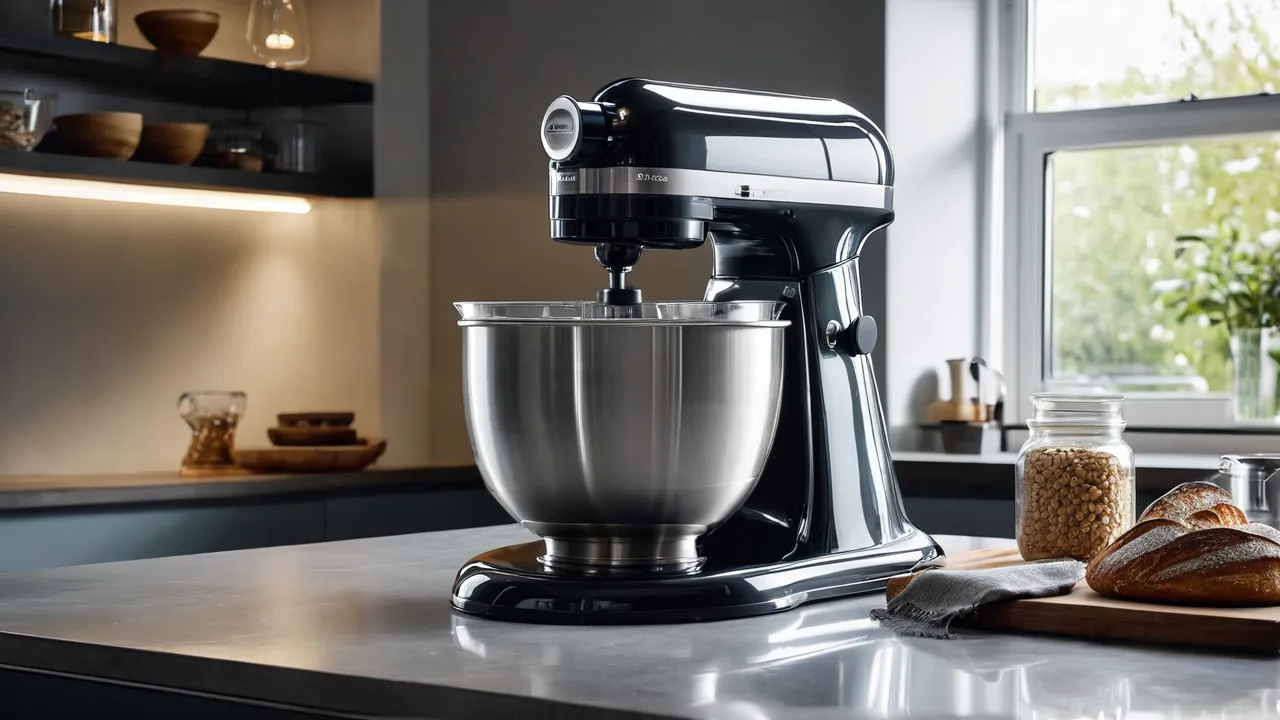
Stainless steel bowls are light, hard to break and good for everyday mixing, glass bowls let you see the mix and can go in the microwave but are heavy and can shatter, and ceramic bowls are attractive and hold temperature but are the heaviest and most likely to chip. For most bakers, stainless steel is the practical default, and a second glass or ceramic bowl is a nice extra. Check that any bowl fits your exact mixer model, since locking mechanisms and sizes differ.
The bowl is the part of a stand mixer you handle most. It affects weight, cleanup, whipping and what you can do between steps. This guide compares the common materials and explains how to choose.
The Three Materials
Stainless Steel
Stainless steel is the most common bowl material. It is light for its size, tolerates drops, resists staining and survives the dishwasher. A good steel bowl lasts for years.
Strengths:
- Lightweight, which makes it easy to lift, pour and store.
- Hard to break, with dents the worst outcome.
- Dishwasher safe in most cases, as stated by the manufacturer.
- Cool to the touch, which suits whipping cream and egg whites, since cold equipment helps foam.
Limits:
- You cannot see the contents from the side, so you have to look from the top.
- Steel is a good conductor, so a warm kitchen warms a steel bowl and cold ingredients warm faster.
- A thin bowl can flex or dent. Look for a sturdy gauge and a rolled rim.
- It is not microwave safe.
Finish matters. A polished interior is easier to clean, and a brushed finish hides scratches. Some bowls include a handle, which makes pouring easier.
Glass
Glass bowls are popular for their transparency. You can see whether flour is stuck at the bottom, check dough development from the side and watch whipped cream form.
Strengths:
- Transparent sides help you monitor the mix.
- Many glass bowls are microwave safe, which suits melting butter or chocolate in the same bowl, if the manufacturer allows it.
- Glass does not stain or hold odors and is usually dishwasher safe.
- A glass bowl works for proofing dough, since you can see it rise.
Limits:
- Glass is heavy, and a large bowl full of dough is hard to lift.
- It can break from impact and from thermal shock, such as pouring very hot liquid into a cold bowl.
- A chip on the rim should end its use.
- It can be slippery when wet.
Check the manufacturer’s temperature guidance and avoid sudden temperature changes. Glass can also scratch from metal beaters if the clearance is off, so make sure the beater height is set correctly.
Ceramic
Ceramic bowls, often with a glazed finish, are chosen for looks and for holding temperature. A ceramic bowl takes on the temperature of what is in it and holds it, which can help with proofing in a warm room or keeping butter cool.
Strengths:
- Attractive finishes and colors.
- Good heat retention for proofing dough.
- Does not stain easily when glazed.
Limits:
- It is the heaviest material, which makes it a chore to lift when full.
- It can chip, and chips in glaze can expose porous material that harbors bacteria, so retire a badly chipped bowl.
- It may crack from impact or thermal shock.
- Some ceramic bowls are not dishwasher safe or have restrictions, so check the manual.
- Glazes vary, and you should follow the manufacturer’s guidance about use.
If weight is a concern, ceramic is a poor choice for a large mixer. It suits people who bake occasionally and value looks.
Temperature and Whipping
Temperature affects results. Cream and egg whites whip better when cold, and a chilled steel bowl keeps them cold longer. Doughs rise better in a warm environment, and glass or ceramic can hold warmth. Butter and sugar creaming benefit from room temperature ingredients, and any bowl works.
A simple practice is to chill a steel bowl in the refrigerator or freezer for a few minutes before whipping cream. Check the manual before putting a bowl in the freezer, and do not freeze a bowl that contains liquid unless the maker permits it. For warming, rinse glass or ceramic with warm, not hot, water, and dry it before use.
Cleaning, Stains and Longevity
Cleaning differs by material. Stainless steel resists most stains, but hard water can leave cloudy spots, and a quick wipe with a little vinegar solution followed by a rinse removes them. Avoid chlorine bleach on steel, which can pit the surface, and skip steel wool, which scratches. Greasy residue from butter or oil is easier to remove with hot soapy water than with a cold rinse.
Glass can hold a thin film of oil that dulls its clarity. A hot wash and a dry cloth keep it clear. If it gets cloudy from dishwasher detergent over time, that is often etching, which is permanent, so some owners hand wash glass bowls. Ceramic with a glaze washes easily, but the base ring that sits on the counter can hold dirt, and an unglazed foot can absorb water, so dry it before storing.
Longevity depends on handling more than material. Steel bowls survive years of tossing in a sink, while glass and ceramic need care. Stack bowls with a cloth between them, and never place a hot bowl on a cold, wet surface. Store bowls upside down or with a lid so dust does not collect.
Also consider how bowls interact with your beaters. A beater that sits too close to the bowl scrapes it, and in steel that makes a metal on metal sound and may wear a coated beater. In glass or ceramic it can chip the surface. Setting beater clearance is part of caring for any bowl.
Fit, Capacity and Replacement
Bowls are specific to the mixer’s design. Locking mechanisms, bowl diameter and height differ by model, and a bowl that fits one mixer may not fit another. Check compatibility on the product page, and look for the bowl size in quarts and for the maker’s part number. A bowl that does not lock securely can spin or wobble, which is a safety problem.
Replacement bowls should be available from the manufacturer. If you want a second bowl, buy it in the material that complements the first. Steel plus glass is a common pair. Third party bowls exist, and fit and material vary, so read the product description carefully and check the return policy. For comparing mixer models, see the stand mixers category.
Questions to Ask Before Buying a Second Bowl
- Is the bowl listed as compatible with my exact mixer model?
- Does it lock into the base the same way as the original?
- What is the stated capacity, and does it match the dough and batter limits?
- Is it dishwasher safe according to the manual, and is there a lid for storage?
- What is the weight when full, and can I lift it safely?
A second bowl is useful for recipes that need a clean bowl between steps.
Weight and Handling in Practice
Weight is the hidden difference between materials. A steel bowl for a mid size mixer weighs little when empty, and its weight when full is mostly the dough. A glass or ceramic bowl of the same size can weigh several times as much empty, which matters when you lift a full bowl off the mixer, tilt it to scrape dough and carry it to the counter. If you have wrist or shoulder trouble, a lighter bowl is not a luxury. Handles and pouring spouts help, and a bowl with a handle is easier to hold with one hand while you scrape with the other.
Think about how you will use the bowl away from the mixer. Glass can go on the table for serving whipped cream or for storing dough in the refrigerator under a lid, and some come with lids. Steel can double as a double boiler bowl on a pot of simmering water for melting chocolate, if the fit is right. Ceramic can go to the table with a nice finish. These extra uses may tip the choice if you value them.
A Simple Scoring Method
Give each material a score from one to three on five points: weight, visibility, durability, cleaning and cost. Weight matters more if you lift the bowl daily, visibility matters more if you make dough, and durability matters more in a busy home with children. Add the scores and compare. Stainless steel usually scores best on weight and durability, glass on visibility and microwave use, and ceramic on looks. Change the weights to fit your habits, and let the total decide.
Who Should Choose Which
- Choose stainless steel if you want a light, durable, dishwasher safe bowl for everyday use.
- Choose glass if you like to see the mix, want microwave use and can handle the weight.
- Choose ceramic if you value appearance and bake occasionally, and can handle the weight.
- Skip glass and ceramic if lifting is difficult or you bake large batches.
- Skip any bowl that does not state compatibility with your model.
Safety Notes
Unplug the mixer before changing bowls, and make sure the bowl is locked in before starting. Do not use a cracked or chipped bowl. Avoid sudden temperature changes with glass and ceramic. Follow the manufacturer’s guidance for microwave and dishwasher use, and lift with care.
Frequently Asked Questions
What is the best stand mixer bowl material?
Stainless steel is the practical default for most bakers because it is light, durable and dishwasher friendly. Glass is good for visibility and microwave use, and ceramic suits people who value looks and temperature retention. Choose by how you handle the bowl, not by looks alone.
Is a glass or stainless steel stand mixer bowl better?
Stainless steel is lighter, harder to break and good for whipping cold ingredients. Glass lets you see the mix and can often go in the microwave, but it is heavier and can chip. Check the maker’s temperature guidance, and avoid sudden temperature changes with glass.
Can you put a stand mixer bowl in the dishwasher?
Stainless steel bowls usually can, as long as the manual allows it. Glass and ceramic bowls may be dishwasher safe, but check the manual, since coatings or lids can differ. Avoid abrasive pads and sudden temperature changes, and dry the bowl to prevent spots.
Will a different bowl fit my stand mixer?
Only if it is made for your model. Locking mechanisms, diameter and height differ between mixers, so confirm compatibility on the product page. Replacement bowls should be available from the manufacturer, and a bowl that does not lock firmly should not be used.
Final Thoughts
Stainless steel is the practical default for most bakers, with glass and ceramic as secondary bowls for visibility, microwave use or looks. Weigh weight and breakage against transparency and temperature, and check fit for your mixer. See the best stand mixer roundup and how we review for how we compare practical details.
Related buying guides
- Stand Mixer Buying Mistakes
- Stand Mixer Counter Space and Storage Checklist
- Stand Mixer for Small Batches: Is Smaller Bowl Better
About the author

The BuyOnceChoice Editorial Team researches durable products worth buying once. Our guides compare published specifications, warranty terms, expert review consensus, and verified owner feedback. We do not conduct our own product trials. See How We Review and our Editorial Policy for our standards.