Stand Mixer vs Bread Machine for Dough
Compare a stand mixer and a bread machine for dough only: batch size, kneading control, cycle options, cleanup, storage and what each does beyond bread.
 By BuyOnceChoice Editorial Team
Updated November 16, 2026
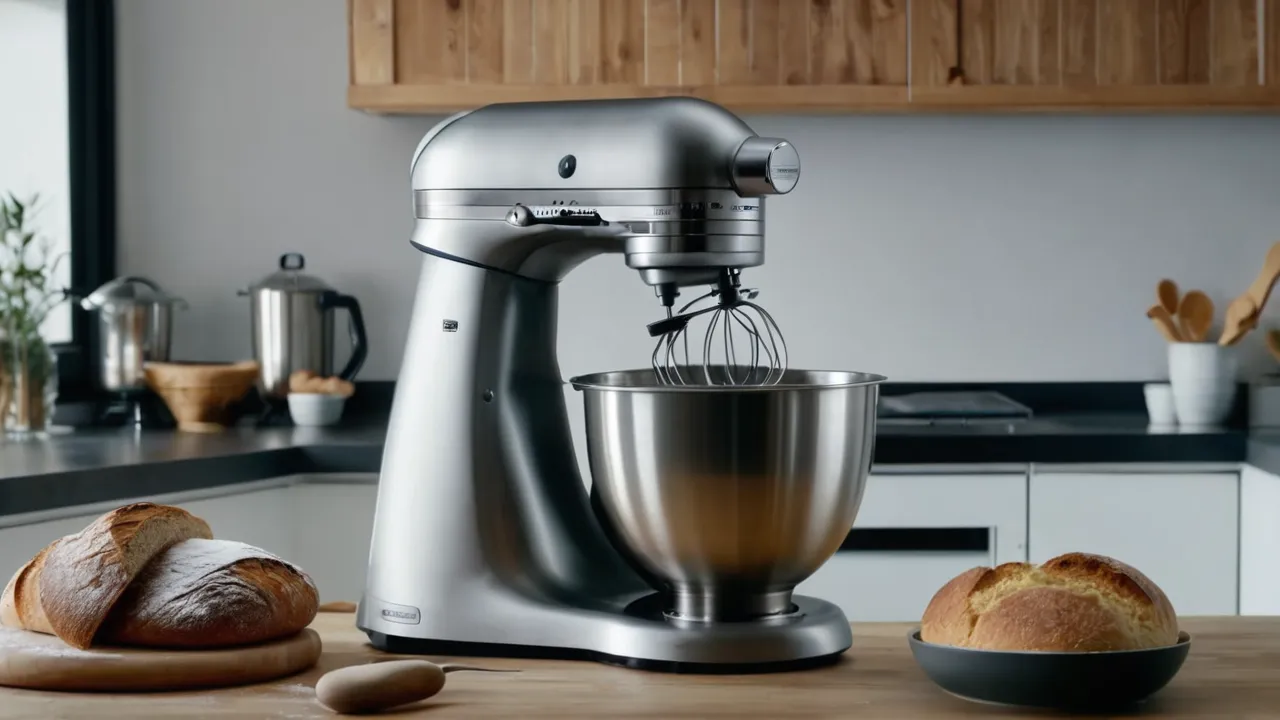
For dough alone, a stand mixer handles larger batches, stiffer doughs and many other recipes, while a bread machine kneads and proofs one batch hands off in a single pan. Choose a stand mixer if you bake varied breads, make pizza dough or want a mixer for cakes and cookies. Choose a bread machine if you want simple dough with minimal effort, have little space and will use its dough cycle regularly. Check each machine’s stated dough capacity and the size of the loaf pan or bowl.
Both appliances knead dough so you do not have to, yet they solve the problem differently. One is a general kitchen machine, and the other is a specialist. This guide compares them for dough only, ignoring baking, so you can decide which fits your habits.
How Each Machine Handles Dough
A stand mixer holds a bowl and moves a dough hook through it. You add ingredients, run the machine at low speed for the time the recipe calls for, and then remove the dough to shape, rest and bake in your oven. You control the speed, the time and when to stop, and you can check the dough as it develops.
A bread machine is a small chamber with a removable pan and a paddle at the bottom. You add ingredients in the order the manual states, choose a cycle, and the machine kneads, rests and may proof. On a dough cycle it stops before baking, and you take the dough out to shape and bake in an oven. On other cycles it bakes the loaf itself. For this comparison, we focus on the dough cycle.
The key difference is control. A mixer lets you adjust and watch. A bread machine automates the whole process, which saves effort but offers fewer chances to intervene.
Batch Size and Dough Types
Batch size depends on capacity. A stand mixer’s bowl and motor determine how much dough it can handle, and manufacturers state limits in flour weight or dough weight. Larger bowl lift models can handle several loaves of dough at once, while smaller tilt-head models handle one or two. A bread machine is designed for a single loaf at a time, and its pan size limits the dough, often to a moderate amount of flour.
Dough type matters too. Stand mixers can handle stiff doughs, bagels, enriched doughs and sticky doughs, provided you stay within the manual’s limits. Bread machines work best with standard yeast doughs, and stiff or very wet doughs may stress the paddle or stick in the pan corners. The paddle leaves a hole in baked loaves, which does not matter for dough you shape.
If you want to make multiple batches, or batches larger than one loaf, the stand mixer wins. If you want one loaf of dough on a schedule, the bread machine is adequate.
Control, Quality and Technique
Many bakers like the control a mixer gives. You can mix until the dough passes a windowpane stretch, rest it for an autolyse, add ingredients in stages and adjust hydration while the machine runs. This makes a mixer suit sourdough, enriched doughs and recipes that need a specific texture.
A bread machine follows a program. It works well for dependable, simple doughs, and many models offer delay timers, so dough is ready when you wake. The program may not match your recipe’s timing, and you cannot easily adjust the kneading time. For basic sandwich dough or pizza dough, that is fine.
Technique also differs. With a mixer you learn to read the dough. With a bread machine you learn to follow the manual’s order of ingredients. If you want to learn bread, the mixer teaches more.
Space, Cost and Cleanup
A bread machine is smaller than a stand mixer and lighter, and it stores in a cabinet or on a shelf. It usually costs less. A stand mixer is heavier and takes more counter or cabinet space. Measure the height with the head raised before you commit to a mixer.
Cleanup differs. A bread machine pan and paddle need washing, and dough stuck around the paddle shaft can be tricky. Many pans have a nonstick coating that needs hand washing. A stand mixer bowl and hook are easier to clean, as the bowl is large and the hook is simple.
Long term value: a stand mixer is a general tool for cakes, cookies, whipped cream and, with attachments, other tasks. A bread machine does bread and a few related jobs. If you want a single machine for many tasks, the mixer is more flexible. If bread is the only goal, the bread machine may be enough, and it may cost less.
Questions to Check Before Buying Either
- What is the largest dough batch the maker states, in flour or dough weight?
- For a bread machine, what loaf sizes are supported and is there a dough only program?
- Is the pan nonstick coated, and is it sold as a replacement?
- For a mixer, are the hook, bowl and gear parts sold separately?
- What does the warranty say about use with stiff doughs?
A Week of Dough: Two Examples
Imagine a household that makes pizza dough every Friday and a sandwich loaf on Sunday. With a bread machine, both are a matter of adding ingredients and pressing the dough cycle, and the machine handles proofing. The Friday batch fits a single pizza or two small ones, and the Sunday batch is one loaf. The routine is dependable, and the machine sits on a shelf the rest of the week.
Now imagine a household that bakes bagels on Saturday, cinnamon rolls for guests and cookies for the school sale. The bagel dough is stiff, the roll dough is enriched and the cookie batch is large. A bread machine strains at the bagel dough and cannot make cookie dough at all, while a stand mixer with a dough hook and a flat beater covers all three, as long as batch sizes stay within its stated limits.
The lesson is to match the machine to the variety of your baking. A narrow routine favors a specialist, and a broad one favors a generalist. If you are unsure, start by listing the last five things you baked and what each needed from the machine. Also note the time you have: a bread machine saves attention, since you can leave it, while a mixer needs you nearby for several minutes and then a separate rise.
What Else Each Does
A stand mixer whips cream, mixes batter, creams butter, shreds chicken in some recipes and runs attachments through a hub. It is the more versatile machine for baking in general.
A bread machine can bake a loaf start to finish, make jam on some models and mix cake or pasta dough on certain programs. If you want to bake bread without using the oven, the machine does that, which a mixer cannot.
A Verdict by Buyer Type
- The one loaf a week person who wants fixed steps: a bread machine, especially with a delay timer.
- The varied baker who makes bagels, rolls and cakes: a stand mixer.
- The apartment dweller with little storage: a bread machine is smaller, though a hand mixer may suit if you rarely knead.
- The parent baking for a crowd: a stand mixer with a bowl-lift design and a clear dough limit.
- The person who loves watching dough develop: a stand mixer, because you can stop, check and adjust.
Who Should Choose Which
- Choose a stand mixer if you bake varied recipes, make large or stiff doughs, or want one machine for cakes, cookies and bread.
- Choose a bread machine if you want simple dough with little effort, have limited space, and will use the dough cycle regularly.
- Skip a bread machine if you want control, big batches or a machine for cake and cookie baking.
- Skip a stand mixer if you only want an occasional loaf and have no space.
- Skip both if you are happy kneading by hand, which is free and effective for small batches.
Safety Notes
Unplug the machine before cleaning or removing the paddle or hook, and keep hands out of the bowl or pan while it runs. Plug into a grounded outlet and avoid extension cords. Follow the manual for load limits, since overloading burns out motors. Do not immerse the base in water.
Frequently Asked Questions
Is a stand mixer better than a bread machine for dough?
For batch size, dough variety and control, yes. A stand mixer handles larger and stiffer doughs and does other jobs such as whipping and creaming. A bread machine automates kneading and proofing in a compact form. Choose by how much and what kind of dough you make.
Can a bread machine knead dough without baking it?
Many models have a dough only program that kneads and lets the dough rise, after which you shape and bake it in your oven. Check the manual for the program, the maximum batch and the order of ingredients. Capacity is smaller than a stand mixer’s.
Which is cheaper, a bread machine or a stand mixer?
A bread machine usually costs less up front, but a stand mixer is a general kitchen tool that handles cakes, cookies and whipping. Compare cost per task over the years you expect to keep the machine. Check parts supply and warranty for both.
Can I make bagels in a bread machine?
You can use the dough program to knead the dough, but bagel dough is stiff and can strain small machines, so check the manual for limits. Many bakers prefer a stand mixer with a stated dough capacity for stiff doughs. If the machine strains, knead by hand.
Final Thoughts
For dough alone, a stand mixer offers capacity and control, while a bread machine offers automation in a compact form. Decide by how many batches you make, how much control you want and how much space you have. If you plan to bake broadly, buy the mixer. If you want hands off dough on a timer, the bread machine may be enough. Compare mixers in the stand mixers category, read the best stand mixer roundup and see how we review.
Related buying guides
- Stand Mixer vs Food Processor for Dough and Chopping
- Stand Mixer vs Hand Mixer: Which Do You Need
- Stand Mixer Warranty and Repair: Buy Once Checklist
About the author

The BuyOnceChoice Editorial Team researches durable products worth buying once. Our guides compare published specifications, warranty terms, expert review consensus, and verified owner feedback. We do not conduct our own product trials. See How We Review and our Editorial Policy for our standards.