Stand Mixer vs Food Processor for Dough and Chopping
Compare a stand mixer and a food processor by task, dough capacity, counter cost, cleanup and what each cannot do, then decide which one you need.
 By BuyOnceChoice Editorial Team
Updated November 16, 2026
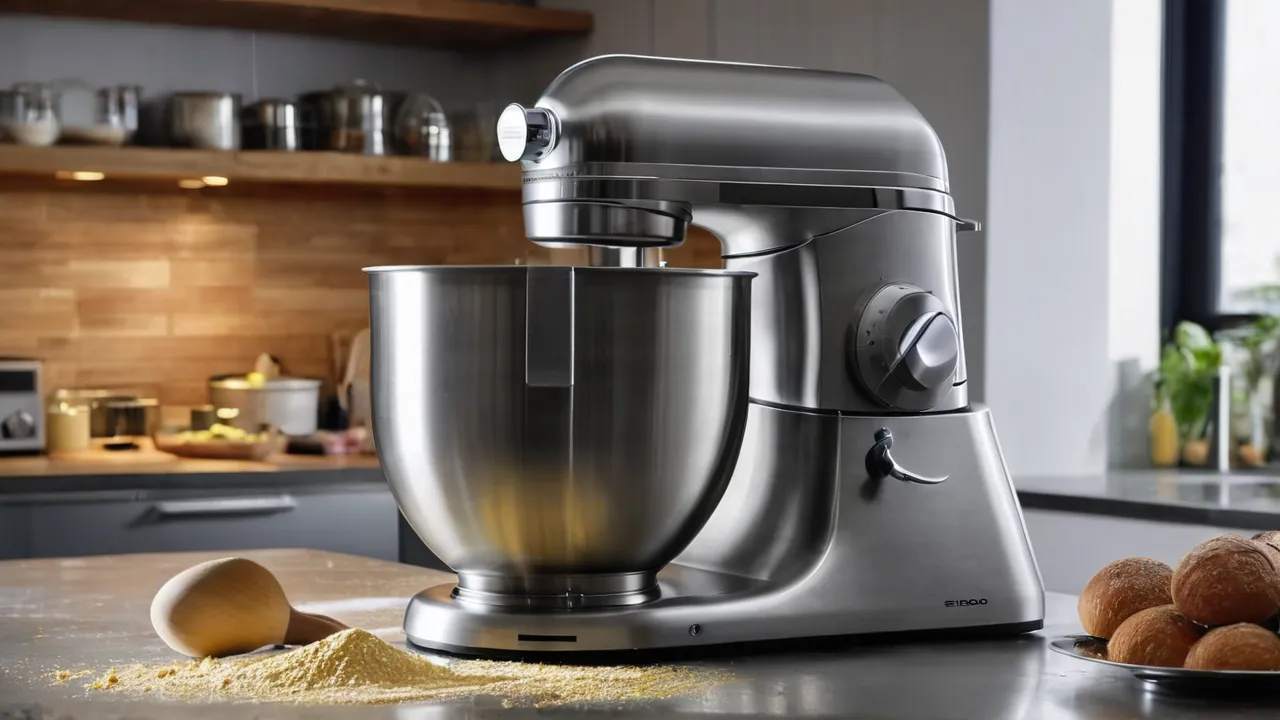
A stand mixer and a food processor do different jobs. The mixer whips, creams, mixes batters and kneads larger or stiffer doughs. The food processor chops, slices, shreds and purees, and can make small batches of pastry, pie crust and some bread doughs very quickly. If you bake bread, cakes and cookies, a stand mixer comes first. If you cook with a lot of chopped vegetables, sauces and dips, a food processor does more. Many kitchens eventually want both.
People often ask whether one machine can replace the other. For a few tasks they overlap, mostly dough, but each has strengths the other cannot match. This guide compares them by task, dough performance, counter cost and cleanup.
What Each Machine Is Built To Do
A stand mixer has a motor that drives a beater in a wide bowl at low to medium speeds with high torque. Its job is to mix, whip and knead. It handles batters, creaming butter and sugar, meringues, whipped cream, cookie dough and bread dough. Attachments through a hub extend it to grinding and rolling in some models.
A food processor has a motor that spins a blade or disc at high speed in a bowl with a feed tube. Its job is to chop, slice, shred, grind and puree. Interchangeable discs shred cheese and slice vegetables. It makes salsa, hummus, pesto, nut butter and bread crumbs in seconds.
The difference is speed versus torque. A processor works by fast cutting. A mixer works by slow, strong folding and stretching.
Dough: Where They Overlap
Both can make dough, but in different ways.
- A food processor with a steel blade can make pie crust, biscuit dough, pizza dough and some bread doughs. It combines ingredients in a minute or less, and the sharp blade cuts butter into flour for pastry. The limits are capacity and heat. Large or stiff dough can strain the motor, and fast spinning can warm dough. The manual states a maximum flour amount for dough, and the dough blade or plastic blade is sometimes included.
- A stand mixer with a dough hook kneads gently over several minutes, developing gluten with less heat. It handles larger batches and stiff or enriched doughs within its stated capacity.
For pie crust and quick pizza dough in small amounts, a processor is faster and easier. For sourdough, enriched breads or several loaves, a mixer is better. If you often make bread, the mixer fits better.
Chopping, Slicing and Shredding
Here the processor is the clear winner. A stand mixer cannot chop an onion or slice a cucumber without an attachment, and attachment performance varies. The food processor does these tasks in seconds, and shreds cheese and cabbage for coleslaw faster than a box grater.
If you cook from scratch, prep volume matters. A processor saves time on vegetables, nuts, herbs and sauces. If you rarely chop in bulk, a good knife may be enough.
Whipping, Creaming and Batters
The mixer wins here. A food processor cannot whip cream or egg whites, because it does not incorporate air the way a whip does. It also does not cream butter and sugar well, and it can overwork a batter, leaving a tough cake.
If you bake cakes, cookies and meringues, a mixer or at least a hand mixer is needed. A processor is not a substitute.
Counter Space, Weight and Cost
A stand mixer is heavy and tall, with a large footprint. A food processor is smaller and lighter, though large models can be bulky. Compare the space each takes and where you will store it. A processor’s bowl, lid, blades and discs need storage space, and these loose parts are easy to misplace.
Cost varies widely for both, and prices change often. Think about cost per task: a stand mixer that you use weekly for baking and a processor you use for prep several times a week each earn their place. If you would use one only occasionally, think about whether a simpler tool, such as a hand mixer or a knife and a box grater, would do.
For measuring space, see the stand mixers category and the best stand mixer roundup.
A Typical Week in Each Kitchen
Picture a household that cooks most dinners from scratch and bakes on weekends. During the week, a food processor shreds carrots for a salad, chops herbs for a sauce, makes breadcrumbs from stale bread and blitzes a quick dip. On Saturday, a stand mixer creams butter for cookies, whips cream for a dessert and kneads dough for rolls. Neither machine could do the other’s work with the same speed or quality.
Now picture a household that mostly orders in and bakes a birthday cake a few times a year. Neither a large mixer nor a processor is likely to earn its space. A hand mixer and a sharp knife serve better. If the household takes up bread baking, the mixer becomes the first buy.
Think about the pastry cook, too. A person who makes pie crust and tart dough often will appreciate a processor, because cutting cold butter into flour quickly keeps the butter cold, which helps flakiness. The same person making brioche or cinnamon rolls will appreciate a mixer, since enriched doughs need long, gentle kneading.
Where budget forces a choice, start from your most frequent task and your most annoying task. If chopping by hand is the chore you dread, buy the processor. If holding a hand mixer while the arm tires is the chore, buy the mixer.
A Verdict by Buyer Type
- The from scratch cook who preps vegetables daily: a food processor first.
- The weekend baker who makes bread, cookies and cakes: a stand mixer first.
- The person who makes pie crust and tart dough often: a food processor, for fast cutting in of fat.
- The person who makes sourdough, bagels or enriched breads: a stand mixer, within its dough limit.
- The small kitchen: choose the machine that does your most frequent task and rely on hand tools for the rest.
Cleanup and Care
A stand mixer has a bowl, a beater and a base to wipe. Most bowls and some beaters are dishwasher safe. A processor has a bowl, lid, blade and discs. The blade is sharp and needs careful handling, and the lid and feed tube have crevices that trap food. Many parts are dishwasher safe, but check the manual, and hand wash blades carefully to protect your hands and the edges.
Both machines need a dry, stable place and a cord that reaches a grounded outlet. Neither should be immersed in water at the base.
What to Check on the Product Page
- Bowl capacity for a processor in cups, and discs and blades included.
- Maximum dough weight stated for the processor’s dough blade, if it has one.
- Mixer dough capacity in cups of flour or pounds of dough.
- Dishwasher guidance for bowls, lids and blades.
- Whether blades and discs are sold as replacements.
- Stated weight and dimensions, and where each will be stored.
Who Should Choose Which
- Choose a stand mixer if you bake bread, cakes and cookies, or want to whip and cream often.
- Choose a food processor if you do a lot of chopping, slicing, shredding and sauce making.
- Choose a processor if you mostly want quick pie crust and small doughs.
- Skip a processor as your only dough machine if you plan to knead large or stiff batches.
- Skip a stand mixer as your only prep tool, since it cannot chop or slice well.
- Consider owning both if you bake and cook from scratch, and have the space.
Safety Notes
Unplug both machines before changing blades, discs or beaters, or before cleaning. Processor blades and discs are very sharp. Handle them by the hub or the plastic parts, and never reach into the bowl while the machine is plugged in. Use the pusher, not your fingers, in the feed tube. Plug into a grounded outlet and avoid extension cords. Follow the manual for load limits and run times, since overloading burns out motors.
Frequently Asked Questions
Can a food processor replace a stand mixer?
For some tasks, yes. A processor handles chopping, slicing, pie crust and small doughs, but it cannot whip cream or egg whites and is not suited to large or stiff doughs. If you bake often, a stand mixer or at least a hand mixer remains necessary.
Can a stand mixer chop vegetables?
Not without an attachment, and attachments vary by model and are limited. A food processor is far better at chopping, slicing and shredding. If prep volume is your main need, choose the processor and use a hand mixer for occasional baking.
Is it better to knead dough in a food processor or a stand mixer?
A processor is fast for small, simple doughs like pizza dough and pie crust, but it has limits on batch size and can heat the dough. A stand mixer handles larger or stiffer doughs with a slower, gentler kneading. Check each machine’s stated dough capacity.
Do I need both a stand mixer and a food processor?
Many keen cooks own both because they complement each other: processor for prep, mixer for baking. If budget or space is tight, choose by your most frequent task. Hand tools can cover the rest for occasional jobs.
Final Thoughts
A stand mixer and a food processor complement each other more than they compete. Pick the mixer for baking, whipping and bigger doughs, and the processor for chopping, shredding and quick small doughs. If you can only buy one, choose by the tasks you do most. For more on how we weigh practical tradeoffs, read how we review.
Related buying guides
- Stand Mixer vs Hand Mixer: Which Do You Need
- Stand Mixer Warranty and Repair: Buy Once Checklist
- Stand Mixer Wattage: What the Number Really Means
About the author

The BuyOnceChoice Editorial Team researches durable products worth buying once. Our guides compare published specifications, warranty terms, expert review consensus, and verified owner feedback. We do not conduct our own product trials. See How We Review and our Editorial Policy for our standards.