Bookshelf Speakers for Classical vs Rock: How to Choose
No speaker is truly a jazz or rock speaker. Choose for dynamics, bass reach, room size and listening level, and let your music decide the details.
 By BuyOnceChoice Editorial Team
Updated November 16, 2026
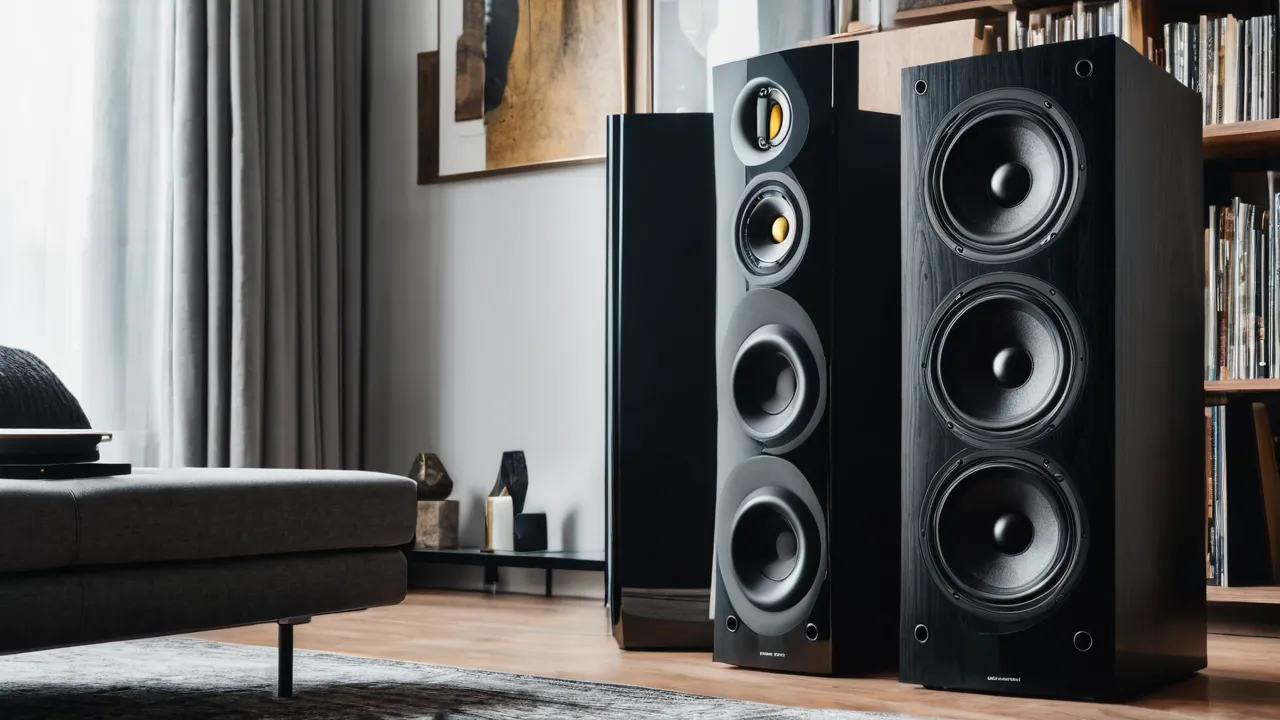
There is no such thing as a bookshelf speaker for a single genre. What matters is how the speaker handles dynamics, how deep it plays, how loud it can go in your room, and whether it sounds natural to you on the music you play. Use genre as a guide to what demands your music places on a speaker, and ignore labels that claim a model is made for jazz, rock or classical.
Why genre labels mislead
Marketing sometimes groups speakers by genre, such as warm and smooth for jazz or punchy for rock. Those labels are loose and subjective. A well designed speaker aims to reproduce whatever is in the recording. A speaker with a strongly colored sound may favor some music and hurt other music, and that is a reason to be careful with strong claims in either direction.
Genres are better thought of as bundles of demands on the speaker. Acoustic jazz and folk lean on natural voices and instruments, with moderate dynamics. Electronic and hip hop lean on deep, controlled bass. Rock and metal lean on dynamics and the ability to play loud without strain. Classical and film scores lean on wide dynamic range and clean detail, from very soft to very loud. Pop is varied and often compressed.
Four Demands Genre Puts on a Speaker
Bass reach
Music with deep bass, such as electronic and hip hop, asks a lot of a small speaker. A bookshelf speaker has a limited cabinet and driver size, so it will not reach as deep as a large floor standing model. For those genres, plan for a subwoofer, and make sure the crossover blends well, as explained in our receiver crossover guide. Our subwoofer size guide helps pick a sub for your room.
For acoustic music with less deep bass, a good bookshelf speaker without a sub can be satisfying, especially in a small room.
Dynamics and headroom
Rock, metal and orchestral music contain sudden loud passages. A speaker with little headroom can sound strained or compressed when the music gets loud. Larger drivers, higher sensitivity and a strong amplifier help. If you play loud, consider the size of your room and the distance from the speakers, and think about amplifier power as discussed in our power ratings guide. A speaker that sounds fine at low volume may not at high volume.
Midrange and voices
Vocals, guitars and pianos live in the midrange. Speakers that reproduce this range naturally suit acoustic, folk, jazz, singer songwriter and classical music. Placement matters here, as explained in our bookshelf placement guide: toe in, height and distance from the wall affect how voices sound. A speaker with a smooth midrange and wide dispersion can sound natural in a range of rooms.
Detail and treble
Recordings with delicate detail, such as acoustic instruments and orchestral music, reward a clean, non harsh treble. Bright recordings, such as some pop and rock mixes, can be fatiguing on a bright speaker. If you listen for long periods, choose a speaker that you find easy to listen to, and be cautious about speakers that sound exciting at first but tire the ear. Remember that room and placement shape treble, and thick curtains or rugs can tame it.
Room Size, Amplifier, and Listening Level
The room matters at least as much as the genre. A small room and a near field desk setup suit small bookshelf speakers on most music. A larger room needs more output for the same loudness, and deep bass becomes harder. Our guide on desk setups and our small room advice show how to adapt. If you listen at low levels late at night, a speaker that sounds balanced at low volume matters more than one that shines when loud.
Passive or powered
Powered bookshelf speakers simplify matching because the maker pairs the amplifier with the drivers. Passive speakers need an amplifier or receiver. Our guide on powered versus passive bookshelf speakers covers the choice. For any genre, ensure that the amplifier can provide enough power without strain for your listening level.
The role of the amplifier
An amplifier that is too small for the speakers and the volume can clip, which damages the sound and may harm tweeters. If you like dynamic music, such as rock or orchestral recordings, make sure the amplifier has enough power for your room and speakers. Check the sensitivity in the speaker’s specifications, and use the guidance in our power ratings explainer. If the music sounds harsh at high volume, turn it down and check the settings.
Small speakers with bass heavy music
If you play bass heavy music, a small speaker needs the help of a subwoofer. The question is how to blend them. Set the crossover so the sub takes over where the speakers begin to roll off, as explained in our crossover guide. Place the sub with the crawl method described in our placement checklist. Keep the sub level modest, so the speakers still carry the character of the music. If the bass sounds detached from the speakers, try a different crossover or a different sub position. A good blend makes the sub disappear, so that the sound seems to come from the speakers.
Listening fatigue and long sessions
Some speakers are exciting for the first hour and tiring after several. If you listen for hours, prefer a sound that stays comfortable. Brightness in the treble, a forward midrange or excessive bass can all tire the ear. Room treatment, placement and tone controls can help. If you often change genres, a neutral, easy to live with speaker may be the best choice. Take your time, and trust your own comfort.
Choosing With Your Own Music
The best way to judge a speaker for your genre is to listen to your own music in your own room. Use the method below, and keep the myths in mind.
A listening method
Choose a handful of tracks that show what you care about: a voice you know well, an acoustic instrument, a track with deep bass, and a loud, dense passage. Listen with each candidate speaker, ideally in your own room, at the volume you normally use. Ask whether voices sound natural, whether bass is satisfying and not boomy, and whether loud passages stay clean. Take notes, and trust your reaction over any genre label. If you cannot audition, use a retailer with a return window, and see our warranty and support checklist.
Myths to ignore
- That a specific brand is only for a specific genre.
- That warm speakers are for jazz and bright speakers are for rock.
- That small speakers cannot play rock, when with a sub and a good amplifier they often can.
- That expensive speakers are needed for classical.
Used and vintage options
Older bookshelf speakers can be excellent value, and some have a loyal following among fans of particular genres. Check them carefully, as explained in our used equipment checklist and our guide on foam surrounds. Do not assume that older means better or worse, and apply the same criteria: dynamics, bass reach, room fit and condition.
A short worked example shows how this plays out. Suppose you listen to acoustic folk in a small room at low volume. Bass reach and headroom are low demands, so a smooth midrange and an easy treble matter most, and a pair of compact speakers without a sub can be satisfying. Now suppose you play electronic music at moderate volume in a larger room. Bass reach becomes the first demand, so you plan a subwoofer and make sure the crossover hands off cleanly. In both cases you chose by demand, not by label.
Verdict by Listener Type
- Fans of electronic and hip hop: a bookshelf speaker with a good sub.
- Fans of acoustic music: a smooth, natural speaker, with or without a sub.
- Fans of loud rock: efficient speakers, a strong amplifier and a sub.
- Fans of classical and film scores: headroom and clean detail, in a room that suits the speakers.
See our home theater speakers section and AV receivers pages for related guidance, and How We Review to see how we treat subjective claims.
Frequently Asked Questions
What bookshelf speakers are best for rock music?
Look for efficient speakers with good headroom, paired with an amplifier that has enough power for your room and a subwoofer for deep bass. Rock puts demands on dynamics, so a speaker that sounds fine quietly may strain when loud. Audition with a dense, loud passage if you can.
Do bookshelf speakers need a subwoofer for electronic music?
Usually, yes. Electronic and hip hop use deep, controlled bass that small cabinets cannot fully reproduce. Add a subwoofer, set the crossover so it takes over where the speakers roll off, and keep its level modest so the speakers carry the character of the music.
Are there bookshelf speakers made for jazz or classical?
Genre labels are loose and subjective. Jazz and classical lean on natural voices, detail, and dynamic range, so look for a smooth midrange, clean treble, and enough headroom. Judge candidates on your own recordings rather than on a genre claim.
Do I need a different speaker for each genre?
No. A well-balanced speaker handles most music, and the differences between genres are mostly about bass reach, dynamics, and listening level. Choose for your room and volume, add a sub where deep bass matters, and trust your own ears over marketing labels.
Final Thoughts
Choose for dynamics, bass reach, room and listening level, and let your own music be the judge. Avoid genre labels, plan a sub where bass matters, and match the amplifier to the speaker and the room.
Related buying guides
- Bookshelf Speakers for a Desk: Near Field Setup Guide
- Bookshelf vs Floorstanding Speakers: Pick by Room
- Buying Used Speakers and Receivers: Inspection Checklist
About the author

The BuyOnceChoice Editorial Team researches durable products worth buying once. Our guides compare published specifications, warranty terms, expert review consensus, and verified owner feedback. We do not conduct our own product trials. See How We Review and our Editorial Policy for our standards.