Mixing Speaker Brands: Does Timbre Matching Matter?
Match the front three closely, be more relaxed with surrounds and subs, and listen for voices moving across the screen. Here is a safe pairing rule.
 By BuyOnceChoice Editorial Team
Updated November 16, 2026
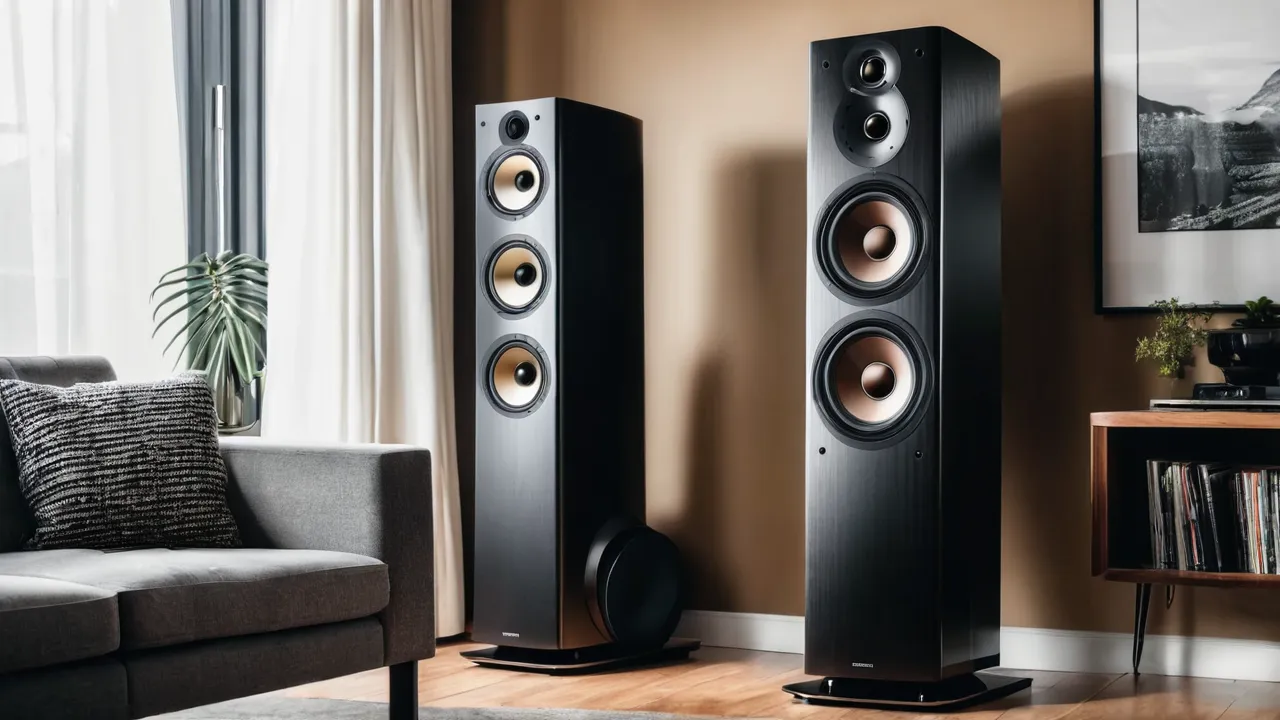
Mixing speaker brands in a home theater can work well if you match the front three speakers closely and are more relaxed about the surrounds and subwoofer. Mismatches become audible when a voice or a sound moves between speakers and changes character, so the rule is to keep the left, center and right in the same family, and to choose the others to blend in tone with them.
What timbre matching means
Timbre is the tonal color of a sound. Two speakers can play the same note and still sound different, because of differences in driver materials, crossover design, cabinet construction and dispersion. When a sound moves across the screen from the left speaker to the center to the right, a mismatch in timbre can make it feel as if the sound changes character, which breaks the illusion.
In a stereo pair, matched speakers are essential, which is why speakers are sold in pairs. In a home theater, the front three speakers carry most of the action, so they matter most.
When mismatches are audible
Mismatches tend to be most noticeable in these cases:
- Between the left, center and right speakers, especially with dialogue, which sits in the center and moves with the screen.
- Between speakers with very different driver types, such as a horn tweeter and a soft dome tweeter.
- When one speaker is much brighter or warmer than another.
- When sound pans from front to side surrounds, in a room where the surrounds are very different in tone.
They are less noticeable for ambient surround effects, for height speakers, and for low frequencies handled by the subwoofer.
Dispersion and how it affects blend
Speakers also differ in how widely they spread sound. A narrow dispersion speaker beside a wide dispersion speaker sounds different off axis, even if the on axis sound is similar. At the main seat the difference may be small, and at other seats it may be larger. This is one reason that mixing brands can work in a one seat room and be harder in a room with several seats. Speakers from the same family usually share a dispersion approach.
A safe pairing rule
Use this order of priority.
- Left, center and right: match brand and series if you can. If you cannot, choose a center from the same family as the fronts, since the center carries most dialogue. Our guide on choosing a center channel explains how to size it.
- Surrounds: prefer the same brand and similar tonal character. They need not be identical, and a smaller model from the same family often works well.
- Height speakers: same brand and tone where possible, as discussed in our comparison of upfiring and in-ceiling speakers.
- Subwoofer: any good sub works, since low frequencies are less directional and do not carry timbre cues in the same way. The crossover blend matters, as explained in our crossover guide.
If you must mix brands, keep the fronts and center together and let the surrounds vary.
Why the center channel is the hardest match
The center speaker handles most dialogue, so it needs to match the left and right closely. Yet it is also the speaker with the most constraints: it must sit above or below the screen, so it is usually a horizontal cabinet, and its drivers are arranged differently from the fronts. Brands handle this by building the center from the same drivers as the front speakers, arranged in a horizontal layout. If you are buying a new center for existing fronts, look for the same series from the same maker. If that is not possible, a center that uses a similar driver technology and has a similar tonal description in reviews is the next best.
If you cannot match, consider using the existing center and adjusting the equalization slightly, or if you have a good pair of fronts, using them as a phantom center is a possibility, though a center speaker improves dialogue clarity for off axis seats.
Here is a worked example. Suppose you own a matched pair of floor standing speakers and want to add a center and surrounds on a budget. The safest first purchase is a center from the same series, since it shares the tweeter and drivers with the fronts. For the surrounds, a smaller model from the same brand is a fine second step. If money is tight, reuse older bookshelf speakers from another maker as surrounds and upgrade them later. At each step the front three stay consistent, which is where listeners are most sensitive to tone.
Checking for a Mismatch and Using Room Correction
Check after setup. Play a scene with dialogue that moves across the screen, or play pink noise through each speaker in turn if your receiver offers it, and listen for differences in tone. Play familiar music with voices in stereo and check that the singer stays centered and the voice does not change character. If one speaker sounds brighter or duller than its neighbors, try adjusting placement, toe in, or room correction, which can reduce but not remove differences.
Using room correction to help
Room correction can balance the tone between speakers to a degree. It tends to be more effective at bass and midrange frequencies and less so at high frequencies. It cannot turn two very different speakers into a matched pair. Use it as a helper, as explained in our calibration mistakes article, and review the results.
Practical situations
- Upgrading one speaker at a time: choose the front pair first and match the center to them. Replace the surrounds later.
- Adding a center to existing fronts: look at the same series from the same maker, or choose a model with a similar driver and tonal approach.
- Mixing old and new speakers: ask whether the maker kept the sound consistent across models, and check owner reports.
- Using in-wall surrounds with freestanding fronts: pick the same brand if you can, and accept that some difference exists.
Impedance and sensitivity
When you mix brands, also check impedance and sensitivity. Speakers with very different sensitivity will play at different levels for the same signal, which room correction can compensate for to a point. Different impedances matter for your receiver, which must handle the lowest. Our guide on impedance and sensitivity covers matching.
What not to worry about
Do not stress about mixing brands in the surrounds, where effects are ambient. Do not worry too much about subwoofer brand. And do not accept the claim that all speakers must be from one maker. Many excellent systems mix brands. The concern is the front stage.
Old speakers in a new system
Many people reuse older speakers as surrounds. This usually works, as long as the speakers are in good condition, such as having healthy surrounds as covered in our cleaning guide. Check the impedance and that the receiver can drive them. Use the receiver’s crossover to protect older small speakers from deep bass, as described in our crossover settings guide.
Verdict by Buyer Type
- People starting from scratch: pick a brand with a full lineup and buy the front three together.
- People upgrading in steps: start with the fronts and center.
- People with leftover speakers: use them as surrounds.
- Perfectionists: listen to a matched set in a store, if you can.
Our home theater speakers pages and floor standing speaker roundup can help you plan a set.
A brief checklist before you buy a mismatched speaker
- Is the speaker going in the front three, or the surrounds or heights?
- Does the maker offer a matching model in the same family?
- What do owner reports say about the tonal balance of the speaker compared with your existing ones?
- Can you return it if it does not blend?
- Will room correction and placement help close the gap?
Frequently Asked Questions
Can I mix different brands of speakers in a home theater?
Yes. The key is to keep the left, center, and right in the same family, and be more relaxed about the surrounds, heights, and subwoofer. Many excellent systems mix brands. Mismatches matter most where dialogue and effects move across the front of the room.
Do my surround speakers have to match my front speakers?
Not exactly. Prefer the same brand and similar tonal character, but a smaller model from the same family often works well. Surround effects are mostly ambient, so small differences are less audible than in the front three. Run room correction so the receiver sets levels and timing.
Does the subwoofer have to be the same brand as the speakers?
No. Low frequencies are less directional and carry fewer timbre cues, so any good sub can work. The crossover blend matters more than the label, so set the crossover and level carefully, and place the sub using the crawl method.
Can room correction fix mismatched speakers?
It helps balance tone between speakers, mostly in bass and midrange, but it cannot turn two very different speakers into a matched pair. Use it as a helper, review the results, and fix placement and toe in first. A center from the same family is a better fix than any filter.
Final Thoughts
Timbre matching matters most at the front. Keep the left, center and right together, relax for the surrounds and subwoofer, and listen for voices that change character as they move. For how we weigh claims about sound, see How We Review.
Related buying guides
- Open Floor Plan Home Theater: Speaker and Bass Tips
- Powered vs Passive Bookshelf Speakers: Which to Buy
- Sealed vs Ported Subwoofers for Home Theater
About the author

The BuyOnceChoice Editorial Team researches durable products worth buying once. Our guides compare published specifications, warranty terms, expert review consensus, and verified owner feedback. We do not conduct our own product trials. See How We Review and our Editorial Policy for our standards.