Air Conditioner Maintenance Checklist for Summer
An air conditioner maintenance checklist for window, portable, and split units covering filters, coils, drains, seals, and seasonal startup and shutdown.
 By BuyOnceChoice Editorial Team
Updated November 16, 2026
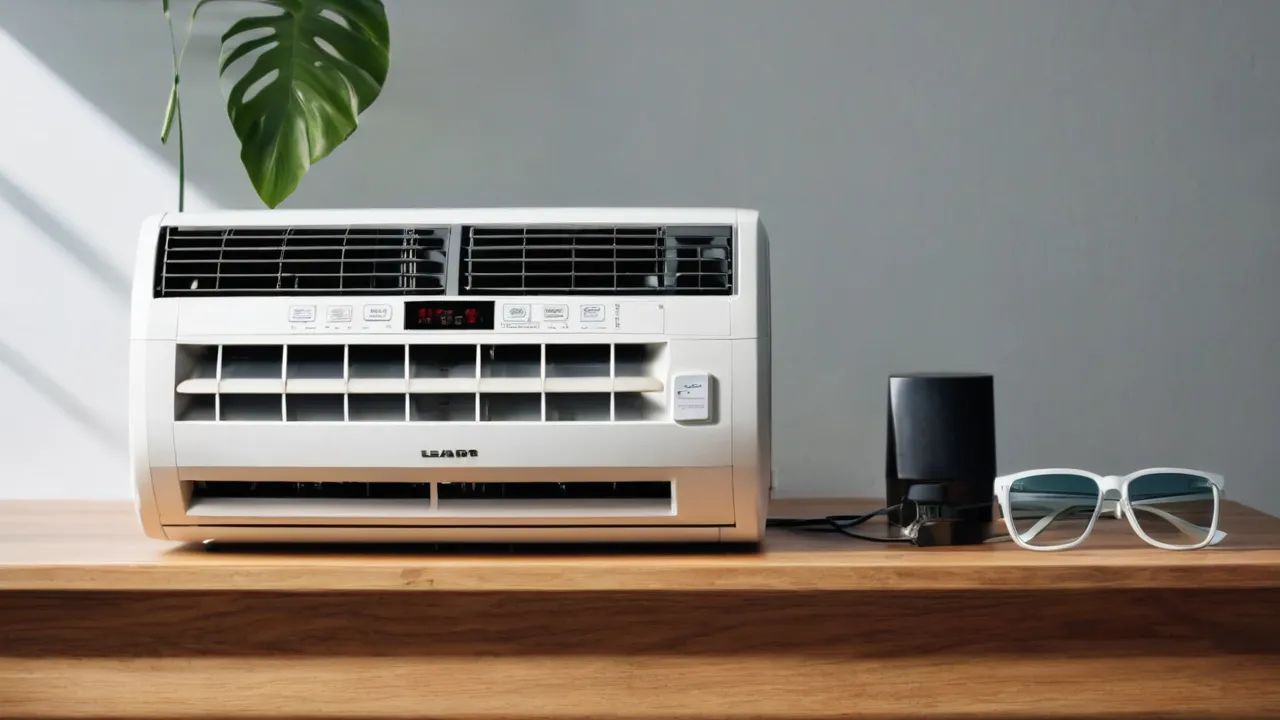
Air conditioner maintenance comes down to a short checklist: clean or replace the filter on schedule, keep the coils and fins clean, clear the condensate drain, keep clearance around the outdoor unit or window unit, seal air leaks around the unit, and have a licensed technician service refrigerant and electrical parts once a year. Most of the benefit comes from the filter and coils, which you can handle yourself.
Why Maintenance Matters
An air conditioner moves heat out of your home, and everything that blocks airflow or insulates the coils makes it work harder. A clogged filter, dirty coils, and a blocked drain reduce cooling, raise energy use, and can cause the unit to freeze up or leak. Regular upkeep keeps the machine cooling well and helps avoid repairs. It also keeps indoor air cleaner, since dust and mold on a neglected filter or drain pan can end up in the air you breathe.
The tasks differ by type. Window and portable units have a filter and coils you can reach. Central systems have filters at the return, an indoor coil, an outdoor condenser, and a drain line. Ductless mini-splits have washable indoor filters and an outdoor unit. Read your manual for the schedule and procedures that apply to your model.
Safety First
Air conditioners use high-voltage electricity and, in the case of the sealed system, pressurized refrigerant.
- Unplug window and portable units before cleaning. For central systems and mini-splits, turn off the power at the thermostat and at the breaker or disconnect near the outdoor unit before opening panels.
- Do not handle refrigerant. Only a licensed technician with the right certification may add or recover it, and venting it is illegal.
- Do not spray water on electrical parts or open sealed components.
- Wear gloves when cleaning fins, which are sharp, and eye protection when using brushes or sprays.
- If you smell burning, see sparks, or the unit trips a breaker repeatedly, stop using it and call a licensed professional.
- Follow the owner’s manual for each step. If a task is not described, leave it to a technician.
The Filter: The Single Most Important Task
A dirty filter chokes airflow and is the most common cause of poor cooling.
- Window and portable units: check the filter every couple of weeks when the unit is in daily use. Wash reusable filters in warm soapy water, rinse, and dry fully before putting them back, as the manual directs.
- Central systems: check the filter monthly during heavy use, and replace disposable filters about every one to three months, or as the maker states. Homes with pets, dust, or allergies may need more frequent changes.
- Mini-splits: remove and rinse the indoor unit filters every few weeks in season, following the manual.
Check the filter size on the frame so you buy the right one. Never run a unit without a filter.
Coils and Fins
Coils transfer heat, and dirt on them acts like a blanket.
- Indoor coil: usually cleaned by a technician, since it sits behind panels. Do not reach into it.
- Outdoor condenser: turn off power, remove leaves and debris, and gently rinse the fins from the inside out with a garden hose on low pressure. Do not use a pressure washer, which can bend fins.
- Window units: with the unit unplugged, vacuum the visible coils with a soft brush attachment. Bent fins can be straightened with a fin comb.
- Keep a clear space, commonly about two feet, around the outdoor unit and keep shrubs trimmed, and follow the manual’s clearance.
Condensate Drain and Drip Pan
Air conditioners remove moisture, which drains away. A clogged drain can cause leaks, mold, and water damage.
- Central systems: locate the drain line and the pan. Some owners pour a cup of diluted vinegar into the line access port every few months to discourage algae, as the maker or a technician advises. If the drain overflows, a safety switch may shut the system, so call a professional for persistent problems.
- Window units: make sure the unit tilts slightly to the outside, as the manual says, so water drains out and not into the room.
- Portable units: empty or check the drain reservoir and hose regularly, and keep the hose free of kinks.
Seals, Mounting, and Airflow
- Check weatherstripping around window units, and seal gaps with the foam or panels supplied.
- Keep curtains, furniture, and plants off supply and return vents.
- Make sure the unit is level and supported by a bracket if the manual calls for one.
- Close doors and windows in the room you are cooling.
- Use a programmable or smart thermostat and avoid setting the temperature extremely low.
Seasonal Schedule
| When | Task |
|---|---|
| Start of season | Replace the filter, clean coils, inspect the drain, check clearance, and schedule professional service |
| Monthly in season | Check and clean or replace filters |
| Every few months | Check the drain line and the pan |
| End of season | Clean the filter, cover or remove window units as the manual says, and clear debris from the outdoor unit |
| Annually | Professional inspection of refrigerant charge, electrical connections, and coils |
Our air conditioner guides explain how to choose and size a unit. For related appliances, see the home appliances hub. Our How We Review page explains how we evaluate products using research and specifications rather than claims of our own trials.
Signs Your Air Conditioner Needs Attention
- Weak airflow or warm air from the vents.
- Ice on the coils or lines.
- Water around the unit or on the ceiling.
- Strange smells, such as musty or burning.
- Grinding, squealing, or banging noises.
- A unit that short cycles or runs constantly.
Many of these are linked to a dirty filter, which is a good first check. If problems continue after cleaning, call a licensed technician.
Worked Example
A homeowner with a central system and a dog notices weaker cooling in midsummer. She checks the filter and finds it clogged. After replacing it, airflow improves. She clears leaves from the outdoor unit and rinses the fins, then pours a small amount of diluted vinegar into the drain line access as her manual suggests. The system runs better, and she schedules a professional visit before the next season.
Step by Step: Cleaning a Window Unit
1. Unplug the unit and, if it is heavy or in a window, ask someone to help you slide it out, or clean it in place using the front panel. 2. Remove the front grille and slide out the filter. Wash it in warm soapy water, rinse, and let it dry completely. 3. Vacuum dust from the front coil with a soft brush attachment, moving along the fins, not across them. 4. Wipe the case and grille with a damp cloth. Avoid soaking the controls. 5. Check the rear coil and the drain pan at the back, and clear debris. Straighten bent fins gently with a fin comb. 6. Reinstall the filter and grille, make sure the unit tilts slightly outward if the manual says so, and check the seals. 7. Plug in the unit and run it for a few minutes to confirm normal airflow and no unusual noise.
Step by Step: Basic Care for a Central System
1. Turn off the system at the thermostat and the breaker or outdoor disconnect. 2. Replace the filter at the return or air handler, matching the size and airflow arrow printed on the frame. 3. Clear leaves, grass, and debris from around the outdoor unit, and trim plants back. 4. Rinse the outdoor fins gently with a hose from the inside out if the manual allows. 5. Check that the condensate drain is not dripping or backed up, and look at the drain pan for standing water. 6. Restore power, set the thermostat to cool, and listen for odd sounds. 7. Book a professional tune-up each year for the sealed system and electrical checks.
What Not to Do
- Do not run the unit with no filter or with a wet filter.
- Do not block the outdoor unit with covers while it runs, and follow the maker’s guidance on winter covers.
- Do not use harsh chemical sprays on coils unless the manual allows them, because they can corrode metal and harm indoor air.
- Do not bend fins with force or use a metal brush.
- Do not ignore ice on the coil. Turn the system off and let it thaw before starting again, then look for a dirty filter or a refrigerant problem.
- Do not attempt electrical or refrigerant repairs yourself.
Frequently Asked Questions
How often should I clean my air conditioner filter?
Check it every couple of weeks in heavy use for window and portable units, and monthly for central systems, replacing disposable filters every one to three months. Homes with pets or dust may need more frequent changes. Follow your manual.
Can I clean air conditioner coils myself?
You can clean accessible coils, such as on a window unit or an outdoor condenser, with the power off, a soft brush, and a gentle rinse. Do not use a pressure washer, and leave indoor coils and refrigerant work to a licensed technician.
Why is my air conditioner leaking water?
Common causes are a clogged drain line or pan, a dirty filter that lets the coil freeze and melt, or a window unit that does not tilt outward. Clean the filter and check the drain. If the leak continues, call a professional.
Does an air conditioner need yearly service?
Many manufacturers and technicians recommend an annual check of refrigerant charge, electrical parts, coils, and drainage, particularly for central systems. You can handle filters and cleaning, but the sealed system and wiring should be checked by a licensed professional.
Final Thoughts: Filters First, Professionals for the Rest
Clean the filter on schedule, keep the coils and drain clear, and maintain clearance around the unit. Cut power before any work, and leave refrigerant and electrical repairs to a licensed professional.
Related buying guides
- CEER vs EER Ratings: Reading AC Efficiency Labels
- How Long Does a Window Air Conditioner Last
- How to Install a Window Air Conditioner Safely
About the author

The BuyOnceChoice Editorial Team researches durable products worth buying once. Our guides compare published specifications, warranty terms, expert review consensus, and verified owner feedback. We do not conduct our own product trials. See How We Review and our Editorial Policy for our standards.