What Size Air Conditioner Do You Need: BTU Guide
Work out the right BTU rating with a base figure by square footage plus worked adjustments, and see why a too large unit cools badly and wears faster.
 By BuyOnceChoice Editorial Team
Updated November 16, 2026
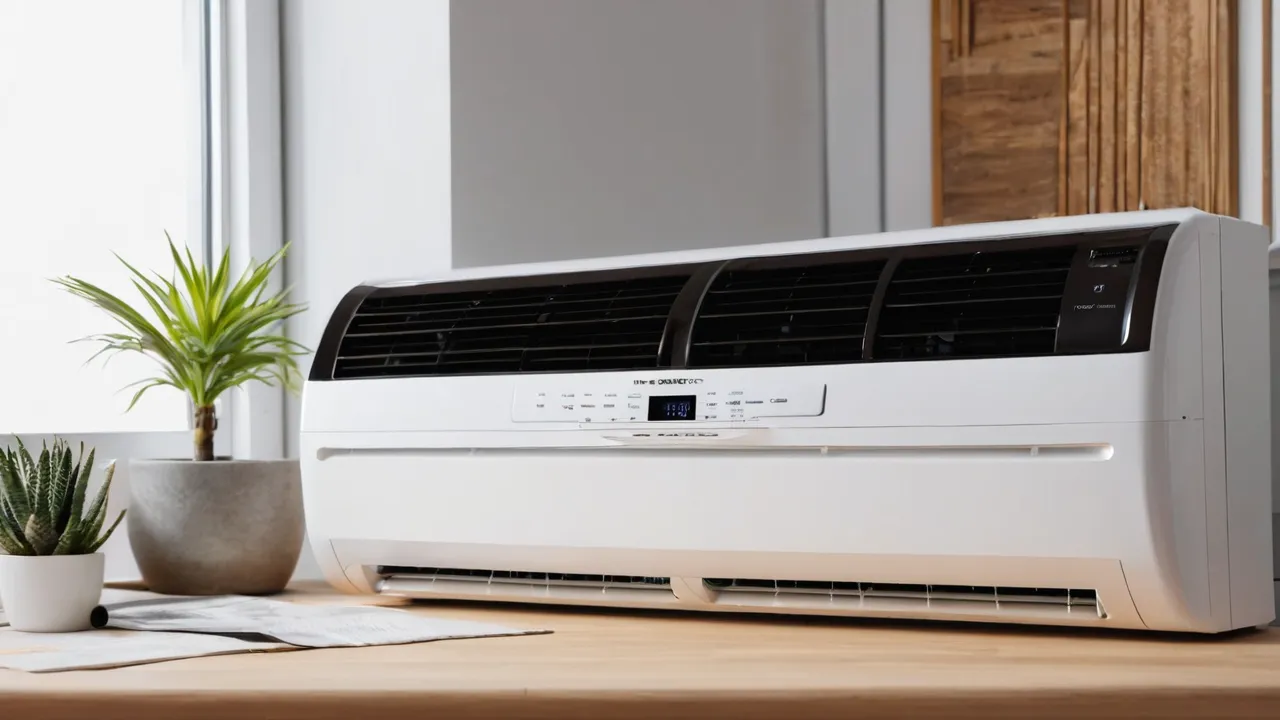
For a typical room with eight foot ceilings and normal sun, plan on roughly 20 BTU per hour for each square foot, which puts a 300 square foot room at about 7,000 BTU. Then adjust upward for strong sun, a kitchen or extra people, and downward for heavy shade, and avoid jumping to a much larger unit, because oversizing leaves the air cool but damp.
Start With a Base Figure by Floor Area
Cooling capacity for room units is stated in BTU per hour. A common published chart, used by federal energy efficiency guidance, pairs floor area with a base capacity. Treat it as a starting point.
| Room area | Base capacity |
|---|---|
| 100 to 150 sq ft | about 5,000 BTU |
| 150 to 250 sq ft | about 6,000 BTU |
| 250 to 300 sq ft | about 7,000 BTU |
| 300 to 350 sq ft | about 8,000 BTU |
| 350 to 400 sq ft | about 9,000 BTU |
| 400 to 450 sq ft | about 10,000 BTU |
| 450 to 550 sq ft | about 12,000 BTU |
| 550 to 700 sq ft | about 14,000 BTU |
Measure only the area the unit will actually cool. If the room opens wide into a hallway or another room, include the connected space or accept that the unit will not hold the temperature.
Before you use the chart, measure the room. Multiply length by width in feet to get square footage, and measure ceiling height at the lowest point you stand under. If the room is an irregular shape, split it into rectangles and add them together. Note which way the windows face and whether trees, awnings, or blinds shade them in the afternoon, because the sun adjustment depends on it. Also note whether the room shares air with a hallway or open doorway, since a wide opening means the unit cools a larger space than the floor plan suggests.
Apply the Adjustments
The base figure assumes a room with normal shade, normal ceilings, and two people. Real rooms rarely match, so adjust.
- Heavy sun: a room with large south or west windows and no shade needs about one tenth more capacity.
- Heavy shade: a room that gets little direct sun can use about one tenth less.
- Kitchen: add around 4,000 BTU, because cooking adds heat.
- Occupants: add about 600 BTU for each person beyond two.
- Tall ceilings: scale the base figure by the ceiling height divided by eight.
- Top floor or poor insulation: go up one size step, since roof and wall heat gain is large.
Worked Examples
Bedroom, 12 by 14 feet. That is 168 square feet, so the base is about 6,000 BTU. With a west facing window and afternoon sun, add about one tenth, giving about 6,600, so a 6,000 to 7,000 BTU unit is the sensible range. Two sleepers add nothing.
Living room, 18 by 20 feet. That is 360 square feet, base about 9,000 BTU. Four people watch television in the evening, so add 1,200 for two extra people, bringing the total near 10,200. A 10,000 or 10,500 BTU unit fits.
Home office with a ten foot ceiling, 12 by 12 feet. That is 144 square feet with a base of about 5,000 BTU. Scale by ten divided by eight, which gives about 6,250. Add the heat from a computer and monitors, and a 6,000 to 7,000 BTU unit is reasonable.
Why Bigger Is Not Better
Many buyers reason that extra capacity is a safety margin. For cooling, it works against you. An oversized unit satisfies the thermostat quickly and shuts off before it has run long enough to pull moisture from the air. The room reaches the target temperature but feels clammy, since an air conditioner removes humidity mostly as a side effect of running.
The cycling also wears parts. Compressors work hardest at start up, so a unit that turns on and off many times an hour sees more starts across its life than a correctly sized unit that runs longer, steadier cycles. A right sized unit costs less to buy and usually runs more efficiently in practice.
The reverse mistake matters too. An undersized unit runs continuously on hot days and may never reach the set temperature. If the number you computed falls between two sizes, choose the larger one only when the room has heavy sun or you plan to use it in the hottest weather. Otherwise choose the smaller.
A Quick Method for Checking a Quote or a Listing
If a seller or installer recommends a capacity that looks very different from your calculation, ask what room area and heat load they assumed. Divide the unit’s rated BTU by your room’s square footage. A figure near 20 BTU per square foot is typical for a standard room. A figure of 40 or more suggests the unit is far larger than the room needs, unless the space has a kitchen, heavy sun or very tall ceilings. A figure of 10 or less suggests it will struggle on hot afternoons.
Check the Rating Type and the Electrical Fit
BTU labels are not all equal. Portable units in particular may list two numbers, an older rating and a lower seasonal figure that reflects the loss from the warm exhaust. Compare units on the lower, more conservative figure when both are shown, and look in the manual or on the listing for which one the headline uses.
Electrical fit matters as much as capacity. Smaller window units usually run on a standard household 120 volt circuit, while large capacity units may need a dedicated circuit or a 240 volt outlet. Before you buy, check the nameplate amperage in the manual against the outlet and circuit it will use, avoid extension cords, and call a licensed electrician if you need a new circuit. A damaged cord should never be used.
Reading Efficiency After You Pick the Size
Once capacity is settled, compare efficiency. Room units carry an energy efficiency ratio, or a combined version of it, that divides cooling output by electrical input. A higher figure means less electricity for the same cooling. Inverter driven units adjust compressor speed instead of cycling fully on and off, which helps with humidity and noise, though they usually cost more to buy. For a unit you will run most of the summer, efficiency adds up over several seasons, so it is worth comparing within your chosen size.
Placement Changes Real Capacity
Where the unit sits changes how well it performs. A window unit in a shaded window works less hard than one facing afternoon sun. A unit blocked by curtains, furniture or a deep window well loses airflow. Clean the filter on the schedule in the manual, since a clogged filter drops airflow and cooling output. Seal the gaps around the accordion side panels so hot air does not leak back in.
Humidity, Dehumidifying and Other Heat Sources
If the room mostly feels sticky rather than hot, a dehumidifier might fix the problem at lower cost, and our dehumidifier guides can help you size one. Sealing gaps around windows, adding blinds, and closing doors to unused rooms all reduce the capacity you need. For a full lineup of cooling choices, see the air conditioners category.
Verdict by Room Type
- Small bedroom, mild climate: the base figure with no adjustment is usually enough.
- Sunny living room, hot region: use the sun adjustment and consider the next size up.
- Kitchen adjacent or open plan: add the kitchen allowance and size for the connected area.
- Between two sizes: pick the smaller unless the room gets heavy sun or the top floor heat load is large.
- Whole house cooling: a single room unit will not do it, and central or ducted systems need a professional load calculation.
Frequently Asked Questions
How many BTU do I need for a 300 square foot room?
About 7,000 BTU per hour is the usual starting figure for a room of that size with normal shade and two people. Add roughly one tenth for strong sun, or about 600 BTU per extra person. Check the manufacturer’s stated coverage and the rating type before choosing a unit.
What happens if my air conditioner is too big?
It cools quickly and shuts off before it removes much moisture, so the room feels cool but clammy. It also starts and stops more often, which adds wear on the compressor. If your number falls between two sizes, choose the smaller unit unless the room gets heavy sun or sits on a top floor.
Can an air conditioner be too small?
Yes. An undersized unit runs nonstop on hot days and may never reach the set temperature, which wastes electricity. If your calculation lands close to the upper end of a size, or the room has a kitchen or strong sun, step up one size rather than relying on the label’s coverage range.
Do I need to size a portable air conditioner differently?
Check the rating type. Portable units often list an older headline BTU and a lower seasonal figure that accounts for exhaust losses. Compare against the lower figure, and consider a dual hose model for a leaky room. Follow the manual for hose length and venting, and avoid extension cords.
Final Thoughts
Pick a base figure from the room’s floor area, adjust it for sun, ceiling height, kitchen heat and occupants, and then choose the nearest standard size without rounding up out of habit. A right sized air conditioner cools and dries the air, runs in longer steady cycles, and puts less strain on its compressor. Confirm the rating type, the amperage and the outlet before you buy, and read how we review for how we treat specifications like these.
Related buying guides
- Window vs Portable Air Conditioner: Which Is Better
- Air Conditioner Maintenance Checklist for Summer
- CEER vs EER Ratings: Reading AC Efficiency Labels
About the author

The BuyOnceChoice Editorial Team researches durable products worth buying once. Our guides compare published specifications, warranty terms, expert review consensus, and verified owner feedback. We do not conduct our own product trials. See How We Review and our Editorial Policy for our standards.