Air Purifier Placement: Where to Put It for Best Results
Where to place air purifier units for the best airflow, with clearance rules, bedroom and living room layouts, and mistakes that waste filtration.
 By BuyOnceChoice Editorial Team
Updated November 16, 2026
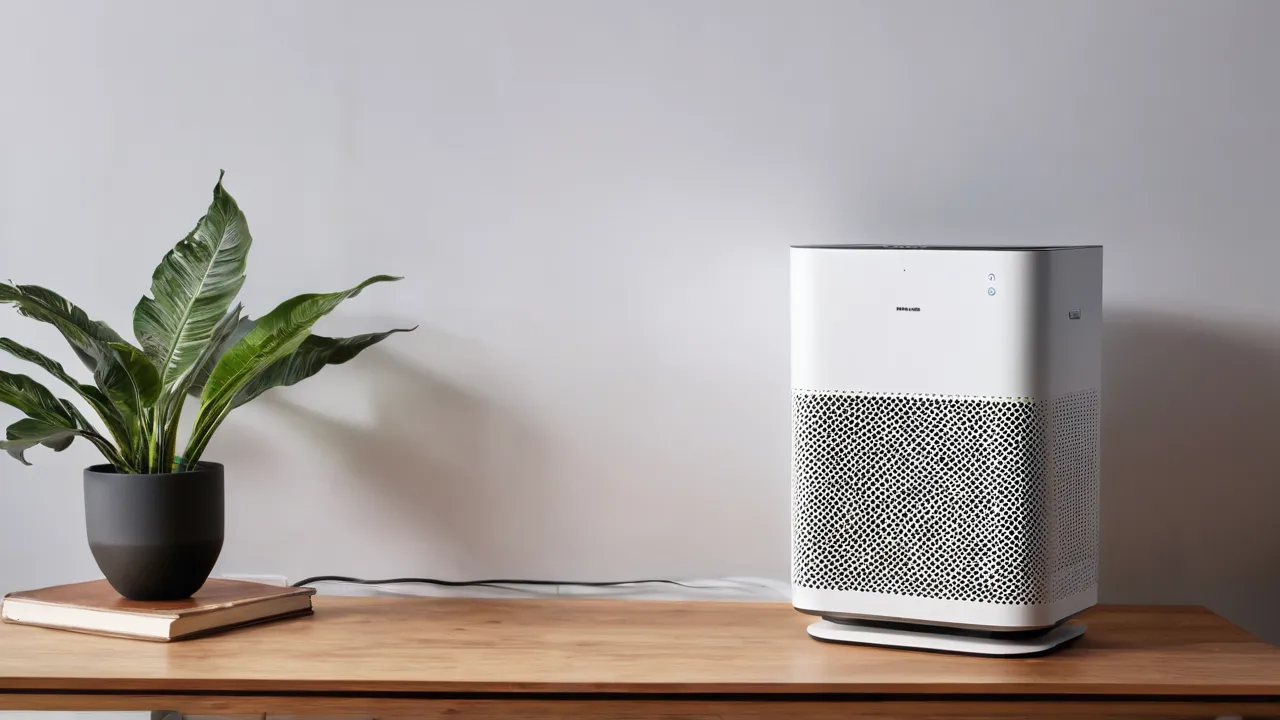
Where to place an air purifier: put it in the room where you spend the most time, usually the bedroom, with open space around the intake and outlet as the manual states, and keep it away from corners, curtains, and damp areas. Keep doors closed so the machine works on one room, and place it so cleaned air can circulate across where you sit or sleep.
Why Placement Changes Performance
An air purifier does not clean a room by magic. It pulls air in, filters it, and pushes it out. The rate at which it does this is the CADR, the clean air delivery rate, and the machine can only clean air that reaches it. If the intake is pressed against a wall or covered by furniture, airflow drops, and the unit runs louder to achieve less. If the outlet blows into a curtain or a sofa, the cleaned air does not circulate well.
Room layout matters too. Air moves in loops, and a purifier placed so that its outlet drives air across the breathing zone gives more benefit than one tucked in a corner. A well-placed medium unit can outperform a larger unit that is poorly placed, which is why placement advice is worth following.
Placement also depends on the intake design. Some units draw air from the bottom or sides in 360 degrees, some draw from the back, and some pull from the front. Read the manual to learn which way air flows through your model before choosing a spot.
Clearance and Room-by-Room Placement
Read the manual for the clearance the maker states, since designs differ. As a general guide:
- Leave several inches to a foot at the sides and back for units that draw air from those sides, and follow the figure in the manual.
- Keep the top outlet clear of shelves, ceiling fans, and hanging items.
- Do not place the unit in a tight cabinet or bookshelf, which traps air.
- Keep intakes off thick carpet that sheds lint, and keep cords out of walkways.
- Place the unit on a stable, level surface, and keep it away from pets that may tip it over.
Many 360-degree units draw from all sides and need clearance all around. Some tower units draw from the back and vent upward, and need a gap at the back. A unit with a bottom intake works best on a hard floor or a firm stand.
Bedroom Placement
The bedroom is the most common choice, because people spend many continuous hours there. Place the purifier a few feet from the bed, with the outlet directed across the room or over the bed area but not blowing directly onto your face. Avoid placing it against the headboard wall if the intake draws from the back. Choose a low speed or night mode to keep noise down, and check the stated noise level at that setting.
Keep the door closed so that the purifier works on the bedroom’s air. If the room is large or open to a hallway, use a larger CADR. Our air purifier guides explain how to size by room area.
Living Room, Kitchen, and Other Rooms
In a living room, place the purifier where air can flow across the seating area, such as along a wall near the sofa with clearance. Open plan spaces are harder, because air mixes with the kitchen and dining area. A larger purifier or a second unit helps. Place one near the area where you sit most, and a second near the source of pollutants if you can. Avoid putting it behind a sofa, in a corner, or under a table, where air is blocked.
Kitchens produce grease, steam, and smoke. A purifier close to the stove will have its filters coated with grease and its sensors confused. If you want to reduce cooking particles, place the unit a few feet away from the stove at the edge of the kitchen, and rely on the range hood for capture.
Bathrooms are damp, and moisture can damage electronics and promote mold on filters, so most makers advise against purifiers in bathrooms. Basements can host a purifier if humidity is controlled, and a dehumidifier may be needed for the moisture problem.
Placement for Specific Needs
- Allergies: place the purifier in the bedroom, keep the door closed, run it all night, and clean the pre-filter often. Consider a second unit in the main living space.
- Pets: put the purifier near where pets sleep or spend time, but out of reach of fur that clogs the pre-filter. Check the pre-filter more often.
- Smoke events: choose a single room, close windows and doors, and run the purifier on a higher setting. Our wildfire smoke guide covers sizing by smoke CADR.
- Nursery: place the unit out of reach of the baby, keep cords tidy, avoid blowing air straight onto the crib, and choose a quiet setting.
Room Size, Ceiling Height, and Open Doors
Placement works together with sizing. A purifier rated for a certain floor area assumes standard eight foot ceilings and closed doors. If your ceilings are higher, the air volume is larger, and the unit needs more time to cycle the same air. If doors stay open, the purifier effectively treats a bigger space, and its stated coverage no longer applies. When in doubt, choose a higher CADR than the minimum and keep doors closed at night.
In a long, narrow room, put the purifier near the middle of one long wall so air can circulate in both directions. In an L-shaped room, place it near the bend so it can reach both arms. In a room with a ceiling fan, a gentle fan speed can help mix air, but a strong draft can disrupt the purifier’s airflow, so try different combinations and adjust.
Most pollutants spread through the whole room, but heavy particles settle low, and pet dander and dust are stirred up by movement. A purifier on the floor captures these sooner, while a unit on a stable table works for breathing-zone air. If the unit has a bottom intake, a hard floor works better than a plush rug.
Multiple Units and Seasonal Changes
A single purifier cannot clean a whole house. If you want broader coverage, put one unit in each room where you spend time, or use a larger unit in the main open space. Do not place two purifiers directly beside each other, since one will draw in the other’s cleaned air. Space them out so each handles a different zone.
Seasonal use changes things. During pollen season, close windows and run units in the bedrooms. During wildfire smoke, seal the room and raise speeds. During winter heating season, dust rises with forced air, and a purifier near a return vent may help, though you should not block the vent.
Placement Mistakes That Waste Filter Life
Some placement habits shorten filter life without anyone noticing. Putting the purifier next to a doorway that opens to a dusty hallway or garage means it constantly draws in coarse dust. Placing it directly under an open window pulls in outdoor pollen and exhaust and loads the filter quickly. Setting it near a litter box, a fireplace, or a stove loads it with particles it cannot clean fast enough. Placing it on the floor in a room with shedding pets lets fur clog the pre-filter within days. Move the unit away from these sources, vacuum the pre-filter on schedule, and let the room’s own air do the work.
Cord Safety and Stability
Use the cord supplied with the unit, plug it directly into a wall outlet instead of a daisy-chained power strip unless the manual allows it, and route it so people and pets do not trip. Keep the cord away from heat sources and do not run it under rugs. Place the purifier on a stable surface where a child or pet cannot pull it over, and keep it away from water and sinks. If the cord or plug becomes warm, frayed, or discolored, unplug the unit and stop using it. For wiring or outlet concerns, call a licensed electrician.
Common Mistakes and a Simple Checklist
- Placing the unit in a corner or behind furniture.
- Running it with doors open so it tries to clean the entire home.
- Putting it next to a source of dust or grease, like a litter box or stove.
- Blocking the intake with a curtain.
- Using a unit that is too small for the room.
- Placing it on a soft surface that blocks bottom intake.
| Step | Check |
|---|---|
| Choose the room | Where you spend the most hours |
| Measure clearance | Match the manual |
| Check airflow path | No curtains or furniture in the way |
| Close doors | Limit the volume |
| Pick a speed | Balance noise and cleaning |
| Review monthly | Clean the pre-filter |
See also the home appliances hub and the How We Review page, which explains how we evaluate products using research and specifications rather than claims of our own trials.
Decision Rules
- Small bedroom: unit a few feet from the bed with clear sides.
- Large open living area: bigger CADR or two units, placed in open positions.
- Kitchen smell concerns: place the unit away from the stove, and use the hood.
- Allergy household: bedroom first, doors closed.
- Rental with little space: a slim tower with front or top outlet, placed with clearance.
Frequently Asked Questions
Where is the best place to put an air purifier?
Put it in the room where you spend the most time, usually the bedroom, with clear space around the intake and outlet. Avoid corners, curtains, and damp areas, and close the door so the unit works on one room.
Should an air purifier be on the floor or on a table?
Either can work if the unit is stable and has clearance. Floor placement captures settled dust and dander sooner, and a table suits breathing-zone air. A unit with a bottom intake works better on a hard floor than on thick carpet.
Can I put an air purifier next to my bed?
Yes, a few feet away is common, with the outlet directed across the room and not straight at your face. Use a low or night mode to reduce noise, keep the cord out of walkways, and follow the manual’s clearance guidance.
Should I put an air purifier in the kitchen?
You can, but keep it a few feet from the stove, since grease coats filters and can confuse sensors. Rely on the range hood for cooking fumes, and place the purifier at the edge of the kitchen or nearby living area.
Final Thoughts: Give It Space and Run It Where You Live
Placement is free and matters a lot. Keep clearance around intake and outlet, close doors, and put the machine where you spend the most time. Avoid corners, damp rooms, and grease.
Related buying guides
- Air Purifier Size Guide: CADR, Room Area, and ACH
- Air Purifier vs Dehumidifier: Which One Do You Need
- Air Purifiers for Wildfire Smoke: What to Look For
About the author

The BuyOnceChoice Editorial Team researches durable products worth buying once. Our guides compare published specifications, warranty terms, expert review consensus, and verified owner feedback. We do not conduct our own product trials. See How We Review and our Editorial Policy for our standards.