How Long Do Leather Wallets Last and How to Extend Life
A leather wallet does not have one lifespan. Stitching, edge finish, card slots and leather grade decide how long it lasts, and some failures can be repaired.
 By BuyOnceChoice Editorial Team
Updated November 16, 2026
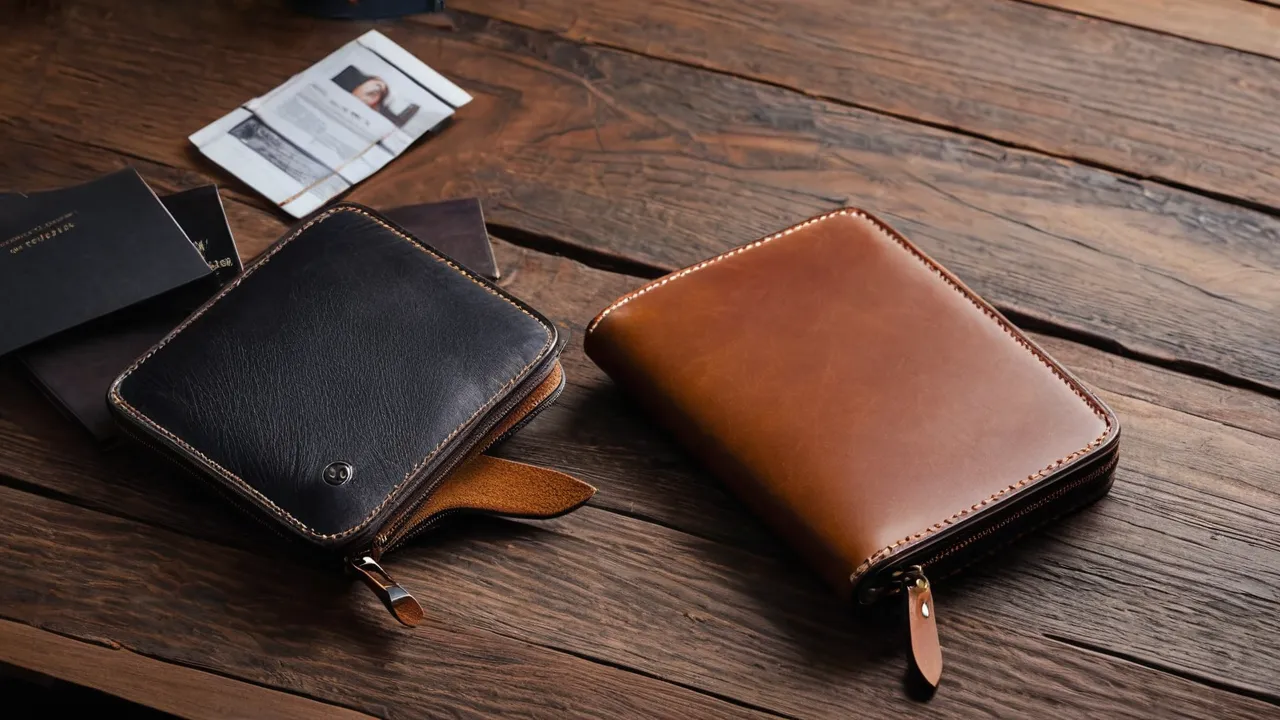
How long a leather wallet lasts depends on the leather grade, the stitching, the edge finish and how it is carried, so no single figure is honest. The parts that fail first are usually the stitching at stress points, the edges and the card slots. A wallet in full grain leather with strong thread and a sensible load can last many years, and many failures are repairable if you act early.
What decides lifespan
A wallet lives in a back pocket or a coat, flexing with every sit and stand. It meets sweat, body heat, moisture and friction. The leather, the thread and the construction decide how it handles this. Thick, well finished leather with tight stitching resists wear, and thin leather with loose stitching fails sooner.
How you carry it matters as much as how it was made. An overstuffed wallet strains seams and warps the leather. A slim load puts less stress on every part.
Two carriers show the spread. One person keeps a few cards and folded bills in a thick leather bifold in a front pocket, takes it out of a jacket at night and occasionally conditions it. The other carries a dozen cards, receipts and coins in a thin wallet in a back pocket and sits on it for hours each day. Same price, very different life. The first wallet’s seams barely feel load, and the second one’s slots stretch, the corners fray and the fold cracks.
A rough way to compare your own situation is to ask three questions. How full is the wallet at its fullest? Where does it ride? How often does it get wet or hot? A wallet that is slim, front pocket and rarely wet can outlast one that is full, back pocket and soaked in sweat by years.
Because makers rarely publish durability figures and wear depends on carry, treat marketing claims about lifespan with caution, and use inspection of the build instead.
Failure point one: stitching
Stitching fails where stress concentrates, at the corners, the card slot openings and the fold. Thin thread and loose stitch spacing fail faster. Quality wallets use strong, waxed thread, tight spacing and reinforced corners. If a thread breaks, the stitch can unravel. A small break caught early can be restitched, but a long unraveled seam may need a full repair.
Check stitching when you buy. Look for even spacing, no loose ends and a secure start and finish. After some use, check for fraying and tug lightly on seams.
Failure point two: edges
The edge is where the leather is cut. Raw edges can fray and swell with moisture. Painted edges can crack and peel with flexing. Burnished edges, which are sanded and sealed, resist wear better. A peeling edge looks poor, but it often does not affect function. A cracked edge that opens the layers is more serious. Edge repair is possible, and a leather repair shop can recoat or reburnish edges.
Failure point three: card slots and folds
Card slots stretch with use, and cards fall out. Slots made of thin leather stretch faster. The fold is the flex point, and leather there can crack if it dries out. Light conditioning helps, but do not over condition, which softens the leather. See our leather conditioner versus oil versus wax guide for how products behave.
A bulging wallet with a pen or key inside strains the fold. Keep the load slim.
Leather grade and tannage
Full grain leather keeps the strongest outer layer and ages well. Top grain is sanded and slightly less durable. Corrected grain and bonded leather are weaker and can peel or crack. Vegetable tanned leather darkens and firms with age, and chrome tanned leather is softer and more water tolerant. Ask the seller for the grade.
The role of wear patterns
Wallets age in patterns that show how you carry them. A curve across the back shows pocket carry. Rounded corners show friction. Dark spots show oils from hands. These patterns are part of the character of leather, and they are not failures. Distinguish cosmetic wear from structural wear. Structural wear includes broken stitches, split layers and stretched slots. Cosmetic wear is often welcomed in vegetable tanned leather and can be refreshed with light care.
Daily habits that extend life
Small habits make a large difference. Take the wallet out of the back pocket when you sit for long periods, since heat and pressure bend the leather and strain the fold. Remove old receipts and unused cards, which add thickness. Keep coins in a separate pouch, since coins wear leather and stretch slots. Avoid leaving the wallet in a hot car or on a heater, which dries and cracks leather. If it gets wet, blot it, let it dry at room temperature and condition lightly afterward. Do not use a hair dryer.
Rotating wallets is another option. A second wallet gives the first time to rest and recover its shape, and it works as insurance if one fails.
- Restitch loose seams early with strong thread.
- Recoat or reburnish worn edges.
- Condition lightly when the leather feels dry.
- Avoid soaking, and let a wet wallet dry at room temperature.
- Replace card slots or liners at a leather repair shop.
- Keep the load light.
Repair or replace
Repair options depend on the construction. Some wallets are built to be repaired, with accessible stitching, and others are glued and hard to fix. Ask the maker about repair or warranty. See our clothing and footwear section for related guides.
Loose or broken stitching, peeling edges, slots that no longer hold cards, cracks at the fold and a warped shape are signs of wear. If the leather is sound and only the stitching has failed, a repair is worthwhile. If the leather is cracked through or the layers are separating, replacement is usually better. A leather repair shop can often fix stitching and edges for a modest cost compared with a new wallet, so ask for a quote before you decide.
The repair or replace rule: if the leather is sound and the failure is in thread, edge paint or a single slot, repair. If the leather itself is cracked, split or thin, or two or more parts have failed at once, replace.
Warranty and repair programs
Some wallet makers offer repair or a limited warranty for defects in stitching or materials. Read the terms, since wear is usually excluded, and keep proof of purchase. A maker that offers repair signals confidence in its build. If the maker does not, a local leather repair shop can often handle stitching and edge work. Ask what they can do before the wallet fails.
How to judge a wallet before you buy
- Look at the stitching: even spacing, no loose ends, strong thread.
- Check the edges: smooth and sealed, with no gaps between layers.
- Press on the card slots: they should hold cards snugly.
- Fold it: the leather should flex without sharp creases.
- Look at the lining: it should be well attached.
- Ask about the leather grade and tannage.
- Ask about repair or warranty.
A wallet that looks good in photos can disappoint in hand. If you buy online, read the return policy and examine it as soon as it arrives.
Buying once means thinking in cost per year. A well made wallet that lasts many years costs less per year than a cheap one replaced often. But price does not guarantee quality, so check the build. Think of the wallet as a tool you maintain, and you will get better value from it.
Decision rules
- Daily back pocket carry: slim, full grain leather, strong stitching.
- Heavy card load: a bifold with reinforced slots or a larger format.
- Wet climates or sweat: chrome tanned or well finished leather.
- Want to age it: vegetable tanned.
- Low maintenance: a simple design with fewer folds.
- Budget: pick sound stitching over extra features.
See how we review for how we weigh durability claims.
Frequently Asked Questions
How many years should a leather wallet last?
There is no fixed number. A well made full grain wallet with strong stitching and a modest load can last many years, while a thin, overstuffed one may fail much sooner. Judge by stitching, edges and slot condition rather than by age.
What usually breaks first on a leather wallet?
Stitching at the corners and slot openings, edge paint and stretched card slots are the usual first failures. Fold cracks come next if the leather dries out. Catching a loose thread early often saves the wallet. Overstuffing speeds up every one of these failures.
Can a leather wallet be repaired?
Often, yes. A leather repair shop can restitch seams, recoat or reburnish edges and sometimes replace slots or liners. Repair makes sense when the leather is sound. If the leather is cracked through or layers are separating, replacing the wallet is usually better.
Does conditioning make a leather wallet last longer?
Light conditioning helps when the leather feels dry, especially at the fold. Over conditioning can soften the leather and weaken it. Condition sparingly, follow the maker’s guidance, and keep the wallet away from heat and soaking. Try any product on a hidden corner first.
Final Thoughts
A leather wallet lasts as long as its stitching, edges, slots and fold survive, and these depend on the leather, the build and how you carry it. Choose a well made slim wallet, keep the load light, repair small problems early and condition lightly. That is how a wallet becomes a buy once item.
Related buying guides
- How to Choose a Leather Bag: Hardware, Stitching and Lining
- How to Clean and Condition a Leather Bag
- Leather Bag Color Combinations: Hardware and Outfits
About the author

The BuyOnceChoice Editorial Team researches durable products worth buying once. Our guides compare published specifications, warranty terms, expert review consensus, and verified owner feedback. We do not conduct our own product trials. See How We Review and our Editorial Policy for our standards.