Work Boots vs Hiking Boots: Which Do You Need
Hiking boots are lighter and more flexible, while work boots are stiffer and built for protection. See where each can cover the other and where it cannot.
 By BuyOnceChoice Editorial Team
Updated November 16, 2026
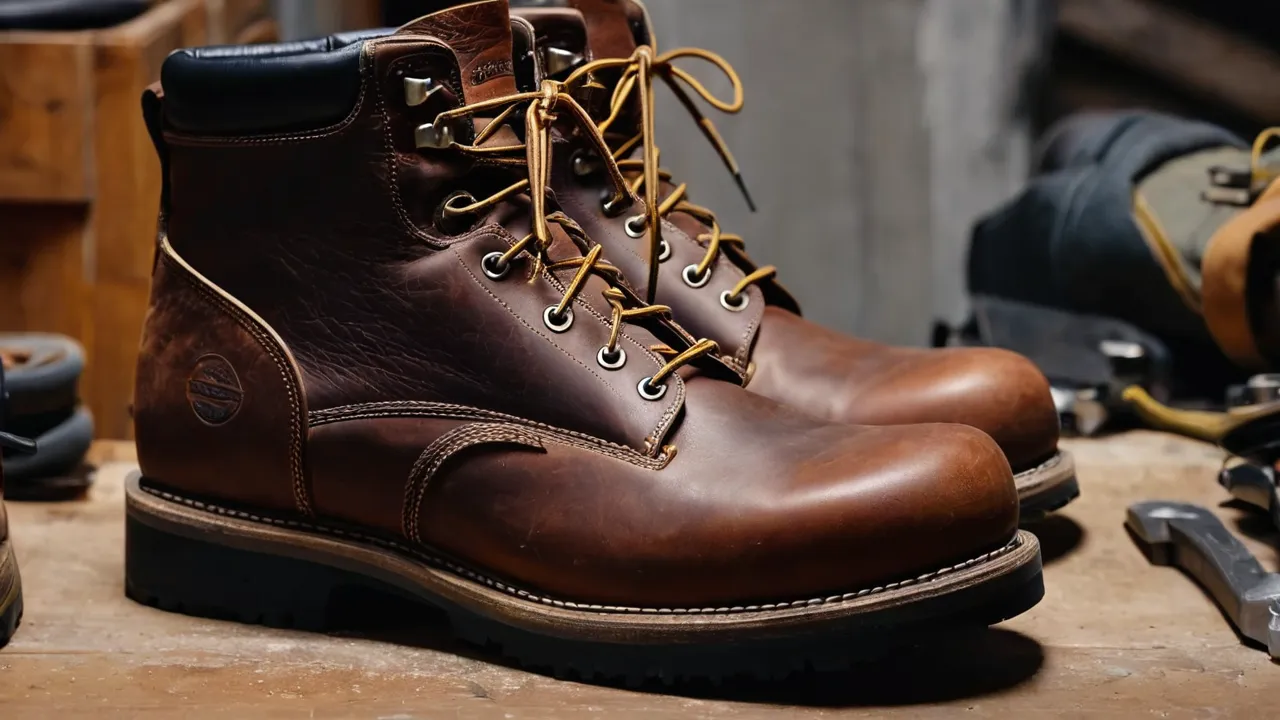
Work boots and hiking boots differ in purpose: work boots are built for protection, durability and long hours on hard or hazardous ground, while hiking boots are built to be lighter, flexible and grippy for walking over trails. Choose work boots when the job calls for safety ratings or heavy duty wear, and hiking boots when the main need is comfort and traction on uneven terrain.
Different Jobs, Different Design
A work boot is designed around hazards. It may have a safety toe, a puncture-resistant plate, an electrical hazard rating, a slip-resistant sole or a stiff shank, depending on the model. It is built to survive abrasion, oil, heat and impact, and it is usually made from thick leather with a stitched or cemented sole.
A hiking boot is designed around walking efficiency. It is lighter, with a flexible midsole, a lugged sole for grip on dirt and rock and a design that cushions long miles. It may use fabric and leather uppers with a waterproof membrane. It trades some protection and durability for comfort and weight.
Neither is better in general. The question is what you ask your feet to do all day, and whether that includes hazards that need a rated boot.
Weight and Flexibility
Work boots are usually heavier, especially with a safety toe and a thick sole. The weight comes from protection and durability, and it adds fatigue on long walks. Hiking boots are lighter and bend more easily, which reduces effort over distance but can feel unsupportive when you stand all day on hard floors or carry heavy loads.
Flexibility matters in two ways. A stiff boot supports the arch under load and resists twisting, which suits ladders, shovels and concrete. A flexible boot moves with the foot, which suits trails. A stiff boot on a long trail can feel clunky, and a flexible boot on a ladder rung can feel tiring.
Outsoles and Traction
Hiking outsoles have deep, widely spaced lugs that bite into soil and shed mud. They grip on rock and dirt, and many use a sticky rubber on the edges. They can be a poor choice on smooth, oily or wet indoor floors, where deep lugs have less surface contact.
Work outsoles vary. Some have deep lugs for mud and construction sites, and others have flatter, softer patterns for slip resistance on smooth floors, in kitchens or on wet tile. Look for a slip-resistant rating that fits your floor, and our slip resistant boots guide covers what to look for. A good hiking sole is not automatically a good work sole.
Protection and Ratings
This is the largest difference. Work boots may carry safety ratings for toe protection, puncture resistance, electrical hazard resistance, metatarsal protection and more. If your employer requires certified footwear, a hiking boot, however sturdy, will not satisfy the rule. Check the label and the maker’s documentation for the rating, and follow your employer’s policy.
Hiking boots rarely carry these ratings. They protect against rocks, roots and weather, but not against falling objects or punctures from nails, and they are not rated for electrical hazards. Do not substitute them for rated work boots.
Cross Use: Where Each Can Cover the Other
Some people use hiking boots for light work such as gardening, light outdoor tasks, long walking days or dry indoor jobs without hazards. If your job has no required rating and you walk a lot on trails or uneven ground, a hiking boot can be a comfortable choice.
Work boots can be used for hiking on short, flat trails or in rough conditions, but they are heavy, less ventilated and often stiffer. On long hikes, the weight and the stiff sole tire you out, and blisters are likelier if the boot is not broken in. Hybrid boots, sometimes called work hikers, combine a lighter build with protection features, and are worth a look if you need both.
Hybrid Boots and What to Look For
- A rated safety toe or composite toe if your job needs one.
- A lighter midsole and a flexible forefoot.
- A lugged outsole with a slip-resistant rating if you need it.
- A waterproof option, checked for breathability.
- A stable heel counter, since a soft one can feel unstable under load.
Check the rating label for each boot, since not all hybrids carry the same protections.
Comfort, Fit and Care
Ankle Support and Uneven Ground
Both boot types come in mid and high cuts that add ankle coverage. Ankle support helps with stability on uneven ground and keeps debris out, but it does not prevent a sprain. A high cut also adds weight and heat. Choose the cut for the terrain: low for flat work and speed, mid for general use and high for loose, rough or sloped ground.
Waterproofing and Breathability
Waterproof membranes keep water out and also reduce breathability. In wet, cold weather this is useful. In heat, it can make feet sweat, and damp feet cool or blister. Leather work boots can be treated for water resistance, while hiking boots often rely on membranes. For cold weather, see our winter boots guides for insulation and traction.
Fit, Break-In and Care
Work boots with stiff leather and a safety toe can need a break-in period, and hiking boots usually feel comfortable sooner. For both, fit in the afternoon with the socks you will wear. Leave room for your toes, keep the heel down and check width and instep. Clean leather boots, condition them when dry and dry both types at room temperature. Waterproof membranes can wear out, and the boot may then leak even if the leather looks fine.
Longevity and Repair
Work boots with a stitched welt can often be resoled, which extends their life. Many hiking boots use a molded or cemented sole that is harder to replace. If you plan to keep a boot for years, ask about repair. Heavy daily wear on concrete shortens the life of either.
Two Worked Examples
A parks crew member walks several miles a day on dirt paths and occasionally uses a chainsaw and heavy tools. The job has no rated footwear rule for the paths, but chainsaw work calls for protective gear. A lightweight hiking boot is comfortable for the walking, and the employer’s required protective footwear must be worn when needed. Here the answer is two boots, one for each part of the job.
A warehouse worker on smooth concrete, with forklifts and falling-box risk, is required to wear safety-rated footwear. Hiking boots would feel springy for a short time, but they would break the policy and lack a safety toe. A rated work boot with a cushioned midsole and a slip-resistant outsole is the right category, and the comfort question becomes which work boot, not whether to wear a hiking boot.
The pattern: start with the rule or hazard, then walk distance and surface, then comfort. When the first step has a required rating, the choice among boots is limited to rated boots, and comfort comes second.
What to Check on a Hybrid’s Product Page
Look for the rating marks, the weight if listed, the shank type, the outsole description and whether the sole is cemented or stitched. If a page promises both hiking comfort and full safety protection but lists no ratings, ask the maker. Also compare the cut: hybrids often come in mid height, which gives ankle coverage without the heat of a tall boot.
Decision Rules
- Job needs a safety rating: choose a rated work boot.
- Mostly trails, no hazards: choose a hiking boot.
- Mix of hard floors and short walks: a lighter work boot or a hybrid.
- Long days on concrete: a work boot with cushion and a stiff shank.
- Hot weather: a breathable boot, and do not sacrifice a rating for it.
- Wet, muddy conditions: a waterproof or water-resistant boot with a grippy sole.
- Tight budget with two needs: buy for the job first, then add a second pair.
See our clothing and footwear section for related guides and how we review for how we weigh claims.
If you are on a budget and need both uses, think about sequence. Buy the boot that your job requires first, since it is the one you must wear, and add a light hiking boot later when you can. Wearing a rated work boot on easy trails for a season is better than wearing an unrated hiking boot at work, and a pair of good socks and a cushioned insole make a work boot much more tolerable on short walks.
Frequently Asked Questions
Can I wear hiking boots instead of work boots?
Only if your job has no required safety rating and you do not face hazards such as falling objects or nails. Hiking boots usually lack safety toes and other ratings. Check your employer’s footwear policy first, and choose rated work boots where the rule applies.
Are work boots good for hiking?
For short, easy trails, they can be. For longer hikes, they are usually heavy, stiff and less breathable, which tires your feet and raises blister risk. A lighter hiking boot or a work hiker hybrid suits trails better.
Which is more durable, work boots or hiking boots?
Work boots are generally built for heavier abrasion and hazard exposure and often can be resoled. Hiking boots are designed for lighter weight and may wear faster under daily work. Durability depends on the specific model, so check construction and warranty details.
Do hiking boots have slip-resistant soles for indoor work?
Not necessarily. Deep lugs grip dirt and rock but may have less contact on smooth indoor floors. Look for a slip-resistant rating on the sole if you work on tile, oil or wet floors, and follow your employer’s guidance.
Final Thoughts
Pick work boots when you need protection ratings, durability and stiffness for hard floors, and hiking boots when you want light, flexible, grippy footwear for trails. Hybrids can bridge the gap for mixed use, but never trade a required rating for comfort.
Related buying guides
- Work Boots vs Cowboy Boots: Job Site Fit and Wear
- 6 Inch vs 8 Inch Work Boots: Which Height Fits Your Job
- ASTM F2413 Safety Toe Ratings Explained: I/75 C/75 and More
About the author

The BuyOnceChoice Editorial Team researches durable products worth buying once. Our guides compare published specifications, warranty terms, expert review consensus, and verified owner feedback. We do not conduct our own product trials. See How We Review and our Editorial Policy for our standards.