Lace Length and Lacing Styles for Work Boots
The right lacing pattern fixes heel slip and pressure points, and the right lace length makes it work. See patterns and a length guide by eyelet count.
 By BuyOnceChoice Editorial Team
Updated November 16, 2026
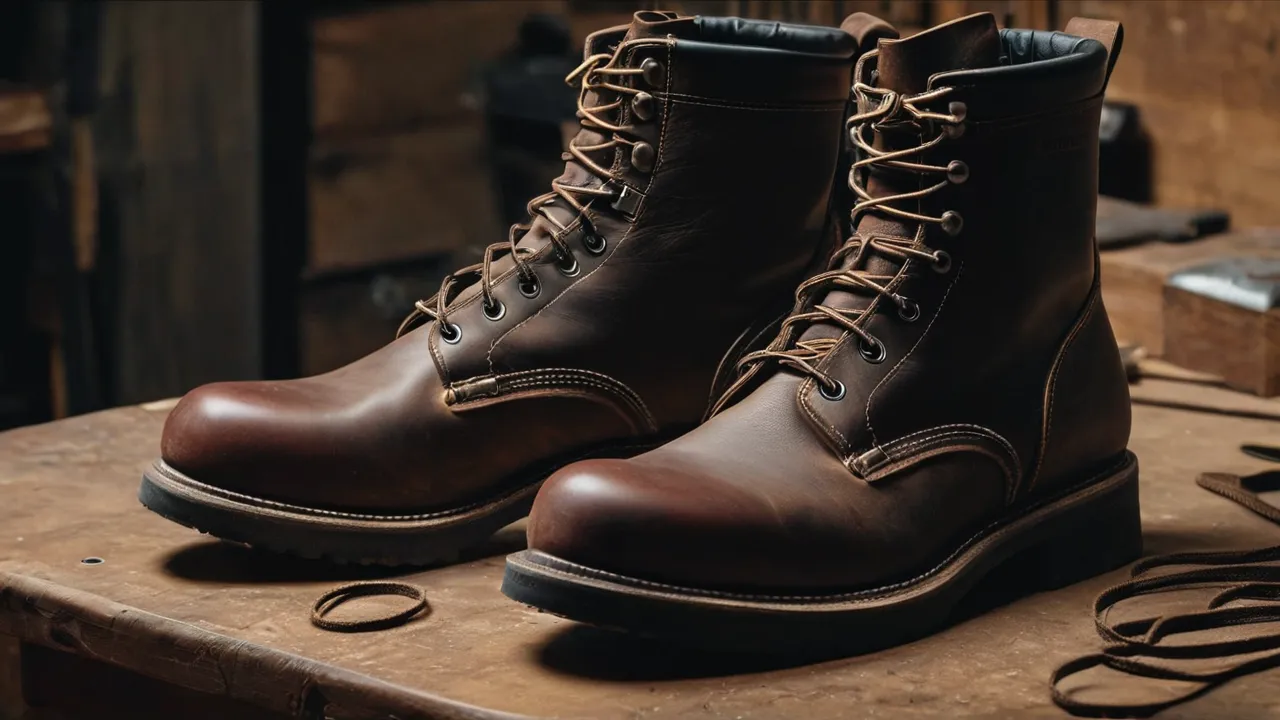
The best work boot lacing methods are standard crisscross for a balanced fit, a heel lock to stop heel lift, window lacing to take pressure off a sore spot on the instep, and a modified pattern for wide or narrow feet. Lace length depends on the number of eyelet pairs and on the pattern you use, so measure the laces you already have before you buy new ones.
Why Lacing Matters
Lacing is the cheapest fit adjustment you have. The same boot can feel loose, tight, painful or secure depending on how the laces are threaded and how tight they are at each point. Lacing changes where pressure falls on the top of your foot, how much your heel moves and how snugly the ankle is held. It cannot fix a boot that is the wrong size, but it can correct small problems and save a good boot from being returned.
Our fitting checklist shows how to judge whether a problem is a lacing issue or a size issue. As a rule of thumb, if the problem is in one zone, such as heel lift or pressure on the instep, lacing can often help. If it is everywhere, the boot is probably the wrong size.
Patterns for Common Fit Problems
Standard Crisscross Lacing
This is the default. Laces run from the bottom eyelets up in an X pattern, ending at the top. It distributes pressure evenly and is easy to adjust. Start with this pattern and only change it when a specific problem appears. Pull each crossing snug from the bottom up, and keep the tension even.
Heel Lock Lacing
Heel lock, sometimes called a runner’s loop, uses the top eyelets to create a loop on each side, then threads the opposite lace through the loop before tying. It pulls the ankle collar snugly against the heel and reduces heel lift, which is the leading cause of blisters in work boots. Use it when your toes are fine and the heel slips. If the boot has hooks at the top, run the lace through the last eyelet before the hooks and make the loop there.
Relieving Pressure on the Instep
If you feel pressure on the top of your foot, the cause is often the laces crossing a high spot. Two options help. In window lacing, also called gap lacing, you skip the crossing over the sore spot by running both laces straight up on the same side, leaving a gap. In parallel lacing, the laces run straight across at each rung instead of crossing, which reduces the squeeze. Either pattern may feel looser, so combine it with a heel lock if the heel needs help.
Wide Forefoot Lacing
For a wide forefoot, start lacing from the second eyelet, skipping the first pair, or thread the lace through the bottom eyelets with a wider spacing so the boot opens at the ball of the foot. Another option is to loosen the lower laces and tighten the upper ones, which lets the toes spread while the ankle stays secure.
Narrow Foot Lacing
For a narrow foot, use the extra eyelets near the top of some boots to pull the collar in, or thread the laces through both the lower and upper eyelets in pairs. Heel lock lacing helps, and a thin, firm insole can reduce volume. If you are always at the limit of the lacing range, the boot is probably too wide.
Heel Lock Step by Step
- Lace normally up to the second-to-last eyelet pair.
- Thread each lace into the top eyelet on the same side, forming a small loop on each side without pulling it tight.
- Cross the laces and thread each end through the opposite loop.
- Pull the laces back and down to snug the collar, then tie a standard bow.
Matching the Pattern to the Boot Style
Boots with eyelets only lace like shoes, so every pattern above works. Boots with speed hooks near the top are easier to adjust quickly, since you can loosen the upper section without undoing the whole boot. Pull-on boots do not have laces, so fit depends on the shaft and the insole. Lace-to-toe boots open far enough that you can adjust the forefoot, which suits a wide or high-volume foot.
Lace Length by Eyelet Count: A Method
Lace length depends on the number of eyelet pairs, the distance between them, the pattern and how much you want to leave for the bow. The most reliable method is simple.
- Take out the old laces and measure them from end to end, in inches, straight and untensioned.
- If the old laces were the right length, buy the same length. If they were too short or long, adjust by about 9 inches.
- If you plan to use a heel lock or a pattern that uses more lace, add roughly 6 to 9 inches.
If you have no old laces, count the eyelet pairs and use a manufacturer’s chart or the product page. Typical ready-made laces are sold in lengths like 54, 63 and 72 inches, and a boot with six or seven pairs of eyelets often fits a mid-range length, while taller boots with hooks need longer laces. Treat these as starting points, since eyelet spacing differs by boot and lacing style. If a lace is too long, you can trim it and heat-seal or knot the end, if the material allows.
Care and Safety
Check your laces regularly. Frayed laces can snap at the worst moment. Replace them when the surface is worn through, the aglet, which is the tip, is lost or the lace has stiffened and will not hold a knot. Clean laces with mild soap and water when they are dirty, and let them dry.
Safety is a real concern around machinery and ladders. Long loose ends can catch on equipment. Tuck the ends into the boot top, use a double knot and consider shorter loops. Follow your workplace rules on footwear, and if you work near rotating machinery, ask about lace guidelines or lace covers.
A Worked Example
Say your boots have seven pairs of eyelets and your old laces measure 63 inches, and they were comfortable with a bow that left about 8 inches of tail on each side. You can buy 63 inch laces again. If you now want to use a heel lock, which uses a bit more lace for the loops, a 72 inch pair is safer, and you can trim the excess. If the old laces were short and left tiny tails, step up one common length instead of staying at the same one.
Now say your boots have eight pairs of eyelets plus three speed hooks. Hooks use more lace than eyelets because the lace wraps around each one, so go a length longer than the eyelet count alone suggests. When the chart and your old laces disagree, trust the old laces, since they were made for that boot.
Before you cut anything, thread the new laces and tie the boot once. If the tails are long enough to double knot and tuck, the length is right. If you cannot tie a double knot, the laces are short for your pattern.
Pressure Points and What to Try
- Pressure at the top of the foot: try window lacing or parallel lacing around the sore spot.
- Heel slip: use a heel lock and make sure the lower laces are snug.
- Toes pressed against the front: loosen the lower laces, and check whether the boot is too short.
- Ankle pinch: loosen the top eyelets and check for a better collar fit.
- Numb toes: loosen the laces across the forefoot and check the sock thickness.
Keeping Laces Tied
A double knot, sometimes called a surgeon’s knot, holds longer than a single bow. Tuck the loops under the laces or into the boot top. Waxed laces slip less than smooth synthetic laces, but they can be stiff. Flat laces hold well, while round laces slip more. If your laces keep loosening, try a different material before blaming the pattern. For more on how we assess boot features, read how we review, and browse the clothing and footwear section for related guides.
Frequently Asked Questions
What is the best way to lace work boots to stop heel slip?
Use a heel lock lacing pattern. Thread the laces through the top eyelets to make loops, cross the ends through the opposite loops and pull back before tying. It snugs the collar against the heel without tightening the forefoot. If the heel still lifts, check whether the boot is too large.
How do I know what length laces to buy for work boots?
Measure your old laces from end to end, or count eyelet pairs and check the product page. Ready-made laces often come in lengths like 54, 63 and 72 inches, with taller boots needing more. If you use heel lock lacing, add several inches. When in doubt, buy slightly long and trim.
Can lacing fix pressure on top of my foot?
Often it can. Window lacing, where you skip the crossing over the sore spot, or parallel lacing can reduce pressure. If the pain stays after relacing, the boot’s instep may be too low for your foot, and a different model or an insole change may be needed.
Are loose laces a hazard at work?
They can be. Long ends can catch on ladders, pedals and machinery. Use a double knot, tuck the ends into the boot and follow your workplace’s rules. Replace frayed laces before they fail, and ask your employer about guidance if you work near rotating equipment.
Final Thoughts
Start with standard crisscross lacing, then use a heel lock for slip, window or parallel lacing for instep pressure and adjusted patterns for wide or narrow feet. Measure your old laces before buying new ones, check them for wear and keep the ends secure around machinery.
Related buying guides
- Work Boot Lasts and Heel Counters: What They Mean
- Work Boot Maintenance: Cleaning and Conditioning Schedule
- Work Boot Sizing Guide: How Your Boots Should Fit
About the author

The BuyOnceChoice Editorial Team researches durable products worth buying once. Our guides compare published specifications, warranty terms, expert review consensus, and verified owner feedback. We do not conduct our own product trials. See How We Review and our Editorial Policy for our standards.