Work Boot Lasts and Heel Counters: What They Mean
A short glossary of the hidden parts that decide fit and longevity, from the last and heel counter to the shank and welt, and what to ask about each.
 By BuyOnceChoice Editorial Team
Updated November 16, 2026
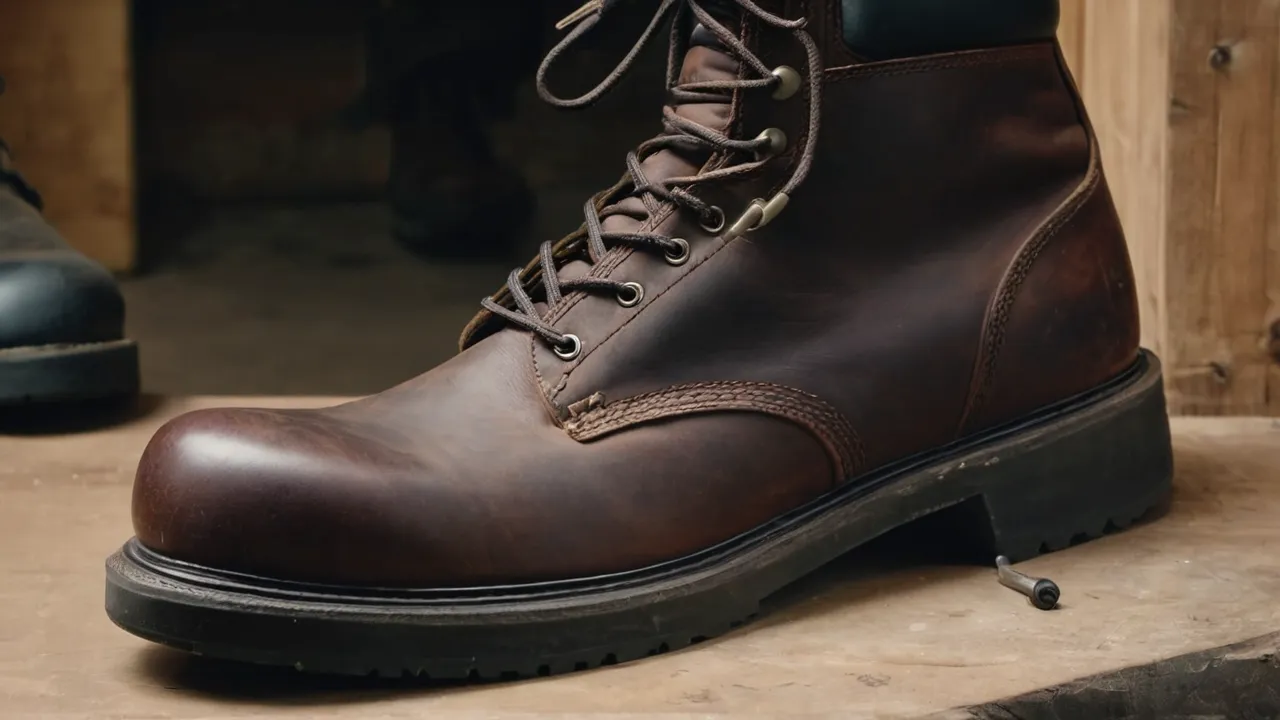
In a work boot, the last is the foot-shaped form the boot is built around, and the heel counter is the stiff cup inside the back of the boot that holds your heel. Together they decide how the boot fits, how stable it feels and how long it keeps its shape, so knowing both helps you read a product page and avoid a boot that is the wrong shape for your foot.
The Parts That Decide Fit and Longevity
The Last
Every boot starts as a last, a form usually made of plastic or wood that sets the shape of the toe, the ball, the arch, the heel and the volume. The upper is pulled over the last and the sole is attached while it holds that shape. A last determines more of the fit than the size number does, which is why two boots in the same size can feel completely different.
Key features of a last are the toe shape, the width at the ball, the instep height, the heel width and the amount of room overall. A narrow last holds a slim foot well and punishes a wide one. A roomy last is forgiving for a high instep or a thick sock, and may let a narrow heel slip. Makers often name their lasts or give them numbers, and some publish short descriptions such as roomy toe or snug heel. If a maker lists the last, read the description and compare it with your own foot shape. Our lacing guide explains how lacing can adjust for small differences, but it will not change the last.
The Heel Counter
The heel counter is a stiff insert, often plastic, leather or a composite, placed between the lining and the outer leather at the back of the boot. It cups the heel bone and keeps it from rolling inward or outward. A firm counter gives stability on uneven ground and keeps the boot’s back shape for longer. A soft counter feels comfortable at first but can collapse, letting the heel slide and the boot lean.
You can check a counter in a shop. Pinch the back of the boot between your thumb and finger. It should resist, springing back when you release it. If it folds with light pressure, it will probably break down quickly. Also press the heel area from the inside and check that the interior is smooth with no creases.
Do not confuse stiffness with discomfort. A good counter is firm but lined and padded, so it does not dig into the Achilles tendon or ankle bone. If a boot’s counter rubs when you walk, try different socks or lacing, or look for a boot with a lower collar or a different heel cup shape.
The Shank and the Toe Box
The shank is a stiff piece between the insole and outsole under the arch. It stops the boot from bending in the middle and provides support for ladders and heavy loads. Shanks are made from steel, composite materials, nylon or fiber board. Steel is stiff, composite is lighter and may not conduct heat, and nylon and fiber board are light and moderately stiff. Choose by job: climbing and carrying loads reward a firm shank, and walking on floors all day may prefer a more flexible one.
The toe box is the front of the boot. Steel, alloy and composite safety toes are all designed to protect against impact and compression in the ways described by the standard on the label. Soft toes have no protective cap. A roomy toe box lets toes spread, and a low or pointed one crowds them. A safety toe does not stretch, so make sure the room is right when you buy.
Welt, Midsole and Outsole
The welt joins the upper to the sole. A stitched welt, such as a Goodyear welt, is strong and can be resoled. A cemented sole uses adhesive and is lighter and cheaper, but repair options may be limited. A direct-attach or molded sole is formed onto the upper and is common in lighter boots.
The midsole sits between the insole and outsole and adds cushioning and stiffness. The outsole is the part that touches the ground and provides traction and durability. A wedge sole is a single flat piece, and a heeled sole has a separate heel. Both have uses, and what suits you depends on the work.
When you shop, try this simple routine to read a last. Stand in the boot, lace it and check three zones one at a time: the forefoot for width, the instep for pressure and the heel for hold. Write down which zone fails. Over a few pairs, a pattern appears. If you always fail the heel and pass the forefoot, you need a last with a narrower heel relative to the toe, and you should look for makers that describe their lasts that way. If you always fail the forefoot, look for roomy or wide lasts, and consider width options.
A final note on break-in: a boot with a firm counter and a stiff shank may feel hard for the first few days, then settle. That is normal, within reason. A boot that rubs the heel raw or numbs the toes is not breaking in, it is the wrong shape.
A Glossary
- Last: the form that sets the boot’s shape.
- Counter: the stiff cup at the heel.
- Shank: the stiff piece under the arch.
- Toe box: the front section that holds the toes.
- Welt: the strip joining the upper to the sole.
- Midsole: the cushioning layer between insole and outsole.
- Outsole: the bottom layer that grips the ground.
- Instep: the top of the foot where the laces sit.
- Throat: the area where the boot opens at the top of the lacing.
- Collar: the top edge around the ankle.
How Lasts Differ in Practice
Boots made on a roomy last feel generous across the forefoot and suit wide feet. Boots made on a snug last hug the foot and feel secure but tight. The heel part of the last matters as much as the toe: a narrow heel on a wide forefoot is a common mismatch that causes heel slip in boots that otherwise fit. If you have always had to choose between toe room and heel hold, a different last, not a different size, is likely the answer.
Switching brands does not always change the last. Some makers use the same last across many models, so a boot you liked from one line may fit the same in another. Keep a note of which boots fit and what last they use.
What a Failing Heel Counter Looks Like
Signs include a collapsed back that leans in or out, creasing at the heel when you press it, a heel that slides more than it used to and uneven wear on the outsole at the back. If the counter has failed, the boot has lost its stability, and no lacing will bring it back. Boots built with a firm counter and quality leather resist this longer.
Shank Types and What They Feel Like
A steel shank feels rigid and can feel stiff when you walk on flat floors. A composite or fiberglass shank feels slightly more flexible. Nylon and fiber board shanks are lighter and may soften with wear. If a product page does not name the shank material, ask the seller or compare the boot’s stiffness by twisting and bending it in the shop.
Insole Boards, Cork and Other Hidden Layers
Under the insole there may be a board, a cork layer or a stack of foam. These layers affect how the boot molds to your foot and how it feels after a few weeks. Cork shapes to the foot over time, which many people like, while foam compresses. These layers are hard to see, but a maker’s description often names them.
Reading the Product Page
Look for the last or fit description, the counter type, the shank material, the welt or sole construction and the safety ratings. Be skeptical of pages that list only marketing terms. Photos of the cutaway or the interior often show more than the text does. If a boot lists no details on the counter, shank or last, ask the seller, or choose a model with clearer information. For how we weigh these details, see how we review, and browse the clothing and footwear section for related guides.
Frequently Asked Questions
What is a boot last and why does it matter?
A last is the foot-shaped form the boot is built around. It sets the toe shape, width, instep height and heel width, so it decides fit more than the size number. If a boot feels wrong in a correct size, the last probably does not match your foot.
What does a heel counter do in a work boot?
It is a stiff cup in the back of the boot that holds your heel and stops it from rolling. A firm counter improves stability and helps the boot keep its shape. A weak counter collapses and lets the heel slip, shortening the boot’s useful life.
How do I tell if a boot has a good heel counter?
Pinch the back of the boot. It should resist and spring back. Press from the inside and look for smooth lining. If it folds easily or creases, expect it to break down quickly. Also check that the counter does not rub your ankle or Achilles.
Are steel shanks better than composite shanks?
Neither is better for everyone. Steel is very rigid and often chosen for climbing and heavy loads, while composite shanks are lighter and slightly more flexible. Choose by the work you do, and check the maker’s description of the shank.
Final Thoughts
The last sets the shape and fit of a work boot, and the heel counter keeps the heel stable and the boot in shape. Look for a last that matches your foot, a firm counter, a shank suited to your job and clear product details. When a boot fits poorly in the right size, change the last, not just the size.
Related buying guides
- Work Boot Maintenance: Cleaning and Conditioning Schedule
- Work Boot Sizing Guide: How Your Boots Should Fit
- Work Boot Socks: Material, Height and Cushion Guide
About the author

The BuyOnceChoice Editorial Team researches durable products worth buying once. Our guides compare published specifications, warranty terms, expert review consensus, and verified owner feedback. We do not conduct our own product trials. See How We Review and our Editorial Policy for our standards.