Side Zipper vs Lace Work Boots: Durability Trade Offs
Side zippers speed up getting boots on and off, but they add a part that can fail. Compare failure points, repair and use cases against classic laces.
 By BuyOnceChoice Editorial Team
Updated November 16, 2026
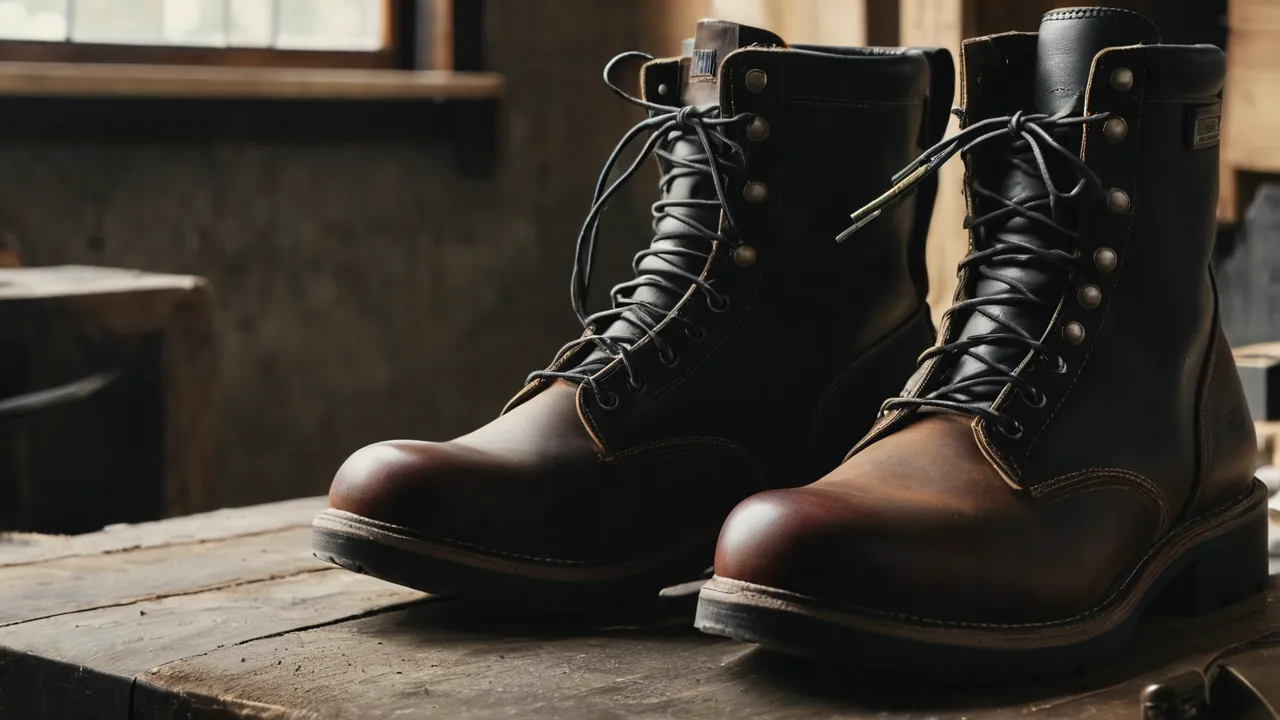
Zipper work boots vs lace up boots is a trade between speed and repairability. Zipper boots suit people who change boots often, such as uniformed staff, security and emergency workers. Lace up boots suit those who need adjustable fit and an easy fix when a part breaks. A side zipper is a convenience with a failure point, and a lace is a cheap part you can replace anywhere. Choose by how often you take boots on and off and how well you can repair them.
How the two closures work
A lace up boot closes with laces threaded through eyelets or hooks across the instep. You tighten each zone to suit your foot. A side zipper boot has a zipper along the inner or outer side, often covered by a flap, and many models also include laces for fine adjustment. The zipper opens the boot wide for fast entry.
Both can be built with the same safety toe, sole and upper. The difference is how you get the foot in and how the boot holds it. Zippers save time, and laces give control.
Where zippers fail
Zippers are small mechanical parts exposed to dirt, moisture and bending. The slider can wear or jam, teeth can separate, the pull tab can break and the fabric tape can tear. Grit and mud collect in the teeth, and cold can stiffen them. Salt corrodes metal zippers. A damaged zipper may let water in and leave the boot unable to close.
Quality varies. Heavy duty zippers with a storm flap and a lace over design are more reliable. Check the zipper length, whether it is metal or molded plastic and whether the maker sells replacement parts.
Zippers in wet, cold and dirty conditions
Mud and sand work into zipper teeth and wear them down. Ice and cold can make the slider stiff, and a frozen zipper is difficult to open. Salt corrodes metal and leaves white deposits. In these conditions, rinse the zipper with clean water after use, let it dry and wipe it with a cloth. Do not force a frozen zipper. Bring the boot indoors and let it warm up. Waterproof boots with a zipper rely on a sealed tape or a gusset, and the zipper is a potential leak path if it is damaged. If you work in water or deep snow, laces with a gusseted tongue are often the more reliable choice.
Repair options
Laces cost little and can be replaced in a minute. A broken eyelet or hook can be repaired by a cobbler, often cheaply. A zipper repair is different. A cobbler can replace a zipper, but it takes time, the part must be matched and the cost may be significant. Some boots are designed so the zipper can be replaced, and others are not.
Ask the maker about repair before you buy. If you rely on a zipper boot daily, keep a second pair, since a zipper failure can take the boot out of service for days. Our boot resole cost guide explains how to weigh repair against replacement.
Care and maintenance
Brush the teeth with a toothbrush, remove grit and check that the slider moves freely. A small amount of zipper wax or lubricant, as recommended by the maker, can help. Avoid heavy oils that attract dirt. Inspect the stitching around the zipper tape, since the tape tears at the end first. Replace a zipper that shows missing teeth or a slider that no longer holds. Repair early, since a failing zipper only gets worse. If you wear the boots daily, check the zipper once a week.
Who benefits from zippers
- Firefighters and emergency responders who may need to dress fast, if their department allows the boot.
- Uniformed staff, security and delivery workers who change footwear often.
- People with limited hand strength, back pain or mobility issues, where lacing is hard.
- Workers who remove boots at each entry, such as at home sites.
- Anyone who wants fast entry and exit during the day.
These users value speed enough to accept the failure risk. If you work in a regulated trade, check your employer’s requirements, since some roles specify a certain boot style and rating. Follow the standard your workplace requires and read the label inside the boot. A zipper does not change a rating on its own, but the rest of the boot must meet the requirement. This guide is general information, not occupational advice.
Who should stay with laces
- Workers who need precise ankle support on uneven ground.
- People with high insteps or swelling feet who need adjustment.
- Those who work in mud, grit or salt that attack zippers.
- Anyone on a tight budget for repairs.
- Users who need a boot fixable anywhere.
- People who climb ladders and need a locked heel.
Laces also allow a locked heel with a heel lock pattern, which a zipper alone cannot do.
Fit, comfort and what to check before buying
A zipper boot usually needs a wider opening and a more flexible shaft, which can reduce ankle support. Some boots combine a zipper with laces, so you tighten the laces once and use the zipper for daily entry. This hybrid gives most of the benefits. Check that the zipper does not rub the ankle bone and that the flap lies flat.
- Is the zipper metal or molded plastic, and what size is it?
- Is there a storm flap or a gusset that covers the zipper and keeps water and grit out?
- Does the boot also have laces, so the zipper is a convenience and not the only closure?
- Are replacement zippers or repair services offered by the maker?
- Does the zipper sit on the inside of the boot, away from snags?
- Is the pull tab large enough to use with gloves?
A heavy zipper with a covered tape is more durable than a thin one with an open flap. Pull the zipper up and down a few times in the store. It should run smoothly and stay closed without puckering the leather. If it catches on the lining, the boot will probably struggle with grit.
Cost over time
A zipper boot may cost more at purchase and more at repair. A lace boot costs less to maintain. If you are choosing between two boots of similar quality, one with a zipper and one without, think about how often you take the boot on and off, how long you expect to keep it and whether a repair is practical where you live. For many people, laces win on lifetime cost. For people who value minutes in the morning, a zipper may be worth it. Weigh the two honestly, and keep a second pair if the job demands boots every day. See our clothing and footwear section and how we review for related guidance.
Worked scenarios
Picture a security guard who changes into boots at a post and out of them at the end of a shift. The guard stands on flat floors, rarely meets mud and values the minute saved. A zipper hybrid with a storm flap fits, and a second pair covers the day a zipper fails.
Picture a roofer who climbs ladders, works on slopes and wants the heel locked. Laces fit, because the roofer adjusts the boot for the day’s task and can replace a lace on the roof if one snaps. A zipper offers little here, and grit from shingles would abuse it.
Picture a utility worker who takes boots off at every home visit. The zipper saves time at each doorstep, but the boots spend half the day in mud and salt. A hybrid with a covered zipper, rinsed and brushed weekly, can work, and a lace up pair is the backup.
Picture someone with arthritis in the hands. Laces are a daily struggle, and a zipper boot with a large pull tab removes a barrier to wearing protective boots at all. In that case the convenience is a real safety benefit, and a second pair covers the repair risk.
The pattern is consistent: ask how often the boots come on and off, what gets into the zipper, and who will fix a failure.
Frequently Asked Questions
Are side zipper work boots durable?
They can be, but the zipper is an added failure point. Heavy duty zippers with a storm flap last longer, and grit, salt and cold shorten their life. Brush the teeth, check the slider weekly and ask the maker about replacement parts before you buy.
Can a work boot zipper be repaired?
Often, by a cobbler, but it takes time, the part must be matched and the cost can be significant. Some boots are built so the zipper can be replaced, and others are not. Keep a second pair if you rely on zipper boots daily.
Are zipper boots good for firefighters or uniformed work?
They suit roles that need quick entry, but your employer may specify the boot style and rating. A zipper does not change the rating, so check the label and ask your safety officer or department which closures and standards are allowed.
Do zipper boots hold the heel as well as lace up boots?
Usually not as precisely. Laces allow heel lock patterns and fine adjustment. Hybrid boots with a zipper and laces give most of the benefit, since you tighten the laces once and use the zipper for daily entry, which also reduces how much the zipper has to hold.
Final Thoughts
A side zipper trades a repair risk for speed, and laces trade speed for control and cheap fixes. Pick zippers if you take your boots on and off many times a day and have a backup pair, and pick laces for variable terrain, wet and dirty work and the ability to fix a part anywhere. A hybrid with both can suit many users.
Related buying guides
- Slip Resistant Work Boots: SR vs SRO Ratings Explained
- Steel Toe Boots Too Tight? Fit Fixes That Work
- Steel Toe vs Composite Toe vs Alloy Toe Boots
About the author

The BuyOnceChoice Editorial Team researches durable products worth buying once. Our guides compare published specifications, warranty terms, expert review consensus, and verified owner feedback. We do not conduct our own product trials. See How We Review and our Editorial Policy for our standards.