Torque Wrench Types: Click, Beam and Digital Compared
Click wrenches suit most garages, beam wrenches never lose calibration, and digital models add readouts and alerts. Learn care steps that keep each accurate.
 By BuyOnceChoice Editorial Team
Updated November 16, 2026
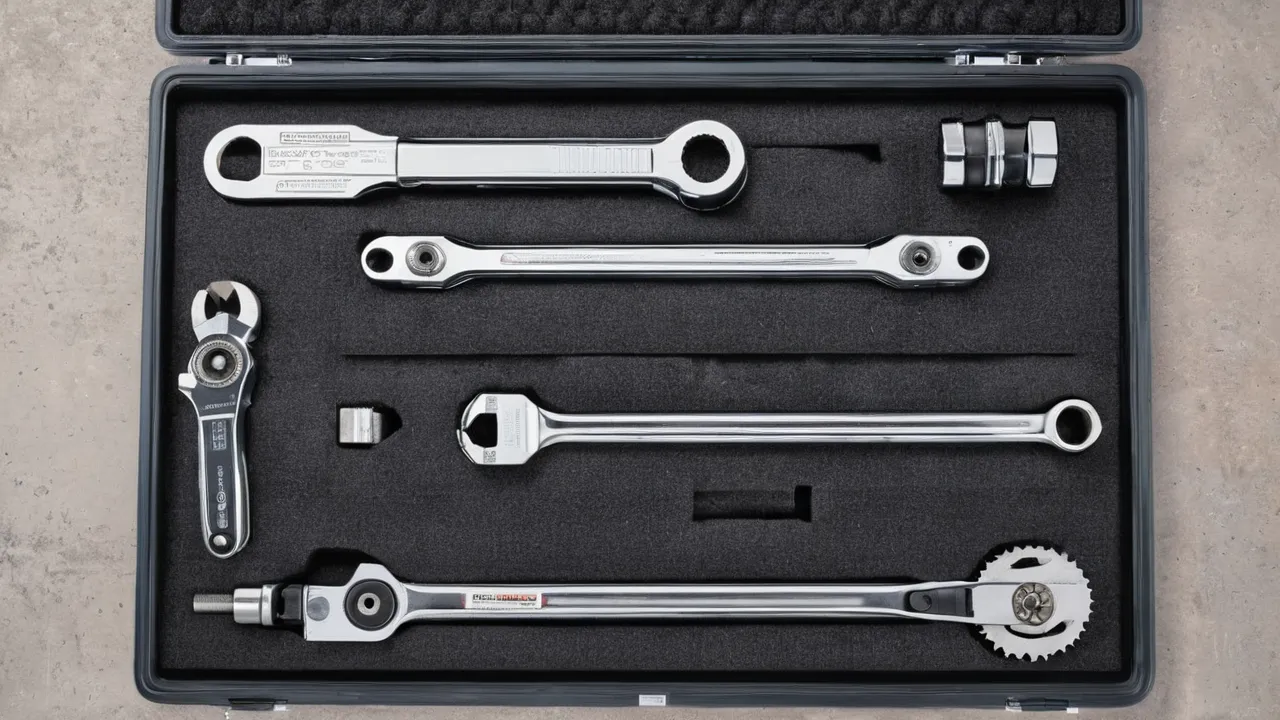
Click versus beam versus digital is a choice between three ways a torque wrench signals the target: a click wrench gives an audible release at the set value, a beam wrench shows the value on a pointer and scale, and a digital wrench shows it on a display with alerts. A click wrench is the best all-round choice for most home mechanics, a beam wrench is the simplest low-cost way to check torque, and a digital wrench suits people who want a readout. Whichever you pick, accuracy depends on how you store, handle and recalibrate it.
Why Torque Matters
Fasteners are designed to be tightened to a specific torque, which stretches the bolt slightly and clamps the parts together. Too little torque lets parts loosen. Too much can strip threads, stretch bolts past their limit or warp parts such as wheels and brake rotors. A torque wrench lets you hit the number in the service manual, which a ratchet and a guess cannot.
Torque specs come from the vehicle or equipment manual, and they may apply to dry or lubricated threads, so read the notes. Use the correct units, foot-pounds or inch-pounds, and know the range of your wrench.
Think about the common mistake on wheels. Tightening lug nuts with an impact wrench alone can overtighten some nuts and under-tighten others, and uneven torque can warp a brake rotor. A common practice is to snug the nuts in a star pattern with a ratchet or a low-power impact, then finish with a torque wrench to the vehicle’s specified value. Check the torque again after a short drive, since the manual often advises a re-check.
Click Wrenches
A click wrench uses an internal spring and a mechanism that clicks and gives a small release when the set torque is reached. You set the value by turning the handle against a scale. It is quick and easy to use, and the click is a clear signal. Click wrenches are the most common home type and come in several drive sizes and ranges.
They need care. The spring tension changes with use and with how the wrench is stored. After use, many makers advise returning the setting to the lowest value on the scale, but not below the stated minimum, so the spring is relaxed. Do not use a click wrench to loosen bolts, which can damage the mechanism. Check the manual for recalibration advice, which is typically periodic or after a drop.
Accuracy specs are worth reading. Makers list an accuracy tolerance, often as a plus or minus percentage of the reading, and it applies within a portion of the scale. Many makers advise working roughly between a fifth and the full range of the wrench, so check yours. A wrench rated for a wide range may be less accurate at the low end. If you often work near the bottom of a wrench’s range, buy a smaller wrench with a lower range, so that your typical jobs fall comfortably in the middle of its scale.
Beam Wrenches
A beam wrench has a pointer that moves along a scale as the beam bends under load. There is no spring and nothing to wear, so it holds its accuracy as long as the beam and pointer stay straight. It is simple and inexpensive. The downside is that you must watch the scale while pulling, and reading it from an angle gives errors. In tight spaces or awkward positions, a beam wrench is hard to read.
For occasional jobs such as checking a few bolts, a beam wrench is a sensible low-cost choice. Handle it carefully so the beam and pointer stay straight, and confirm that the pointer rests at zero before each use.
A beam wrench also teaches you something useful: you feel how much force the bolt takes as the pointer moves. Some people use a beam wrench as a cross-check for a click wrench, since the beam does not drift in the same way. If the two disagree by a clear margin, it is a prompt to have the click wrench checked. It costs little and could save you from a bad tightening on an important fastener.
Digital Wrenches
A digital wrench uses a sensor and a display, and many beep or flash when you approach and reach the target. Some record readings or switch units. They can be very accurate and are easier to read in low light. They need batteries, and electronics add cost and failure points. Some models allow peak hold and angle measurement, which is useful for certain procedures.
| Type | Strength | Weakness | Care |
|---|---|---|---|
| Click | Easy, audible signal | Spring can drift | Store at the lowest setting, recalibrate periodically |
| Beam | No spring to drift | Needs a clear view of the scale | Keep the beam straight |
| Digital | Precise readout and alerts | Battery and electronics | Replace batteries, protect from moisture |
Handle digital wrenches with care around water and solvents, and keep spare batteries. A flat battery can leave you with an unusable tool at the worst time. Some digital wrenches have a mechanical backup, and others turn off when idle. Read the manual for the correct way to zero the display before use, and store the wrench in its case away from heat.
Range and Drive Size
Choose a wrench whose range matches your jobs. Wheel lug nuts need a higher range than small engine bolts. A wrench works best in the middle of its range, and accuracy is poorest at the extreme low end. Many owners buy two wrenches: a three eighths inch drive for small fasteners and a half inch drive for lug nuts and larger bolts. The hand tools category covers related sockets and ratchets.
A method to pick the range
- List the three fasteners you tighten most often and look up each torque value in the manual.
- Find the lowest and highest of those values.
- Choose a wrench whose stated range comfortably includes both, with the lowest value above the bottom of its working range.
- If one wrench cannot do it, split the jobs between a small drive and a half inch drive wrench.
- Confirm that the wrench’s units match the manual, and note whether it reads in foot-pounds, inch-pounds or both.
Using It Correctly
- Pull smoothly and stop at the click or signal.
- Hold the handle at the marked grip point.
- Use the right socket and keep extensions straight.
- Do not use the wrench to break loose tight fasteners.
- Keep threads clean, and follow the lubrication notes in the manual.
- Store click wrenches at the low setting in a case.
Extensions and adapters can change effective torque in some arrangements, particularly crow’s foot adapters. Check the manual for any formula, and avoid adding extra pieces when possible. Never add a pipe to the handle for extra leverage, since that can damage the wrench and gives a false reading.
Calibration and Who Should Buy What
Home users often skip calibration, but a wrench that was dropped or used heavily may be off. Makers or calibration services can check and adjust a wrench, and many makers suggest a periodic check, commonly yearly or after a set number of cycles, so read your manual. Beam wrenches are checked by confirming the pointer sits at zero and bending nothing. If your torque work is safety critical, such as wheels, brakes and suspension, consider a periodic check.
Buy a click wrench if you do wheel and engine work regularly, a beam wrench if you only need occasional checks and want a simple tool, and a digital wrench if you work in poor light or value readouts. See the power tools category for the impact tools that pair with a torque wrench, and how we review for how we think about measurement tools.
A simple routine is to note the purchase date on the case and to schedule a check after a set number of years or heavy uses, as the maker suggests. If you drop the wrench, have it checked before trusting it with critical work. For casual use, careful storage and gentle handling are the cheapest protection, and a wrench in a case in a dry spot will stay accurate longer than one in a toolbox drawer.
Frequently Asked Questions
Which torque wrench is most accurate for home use?
Any of the three can be accurate if it is used within its range and kept in good condition. A beam wrench has no spring to drift, a digital wrench gives a precise readout, and a click wrench is the easiest to use. Check the maker’s stated tolerance and keep the wrench calibrated.
Should I store a click torque wrench at the lowest setting?
Yes, in most cases. Many makers advise turning the setting back to the lowest value on the scale after use, but not below the stated minimum, so the internal spring is relaxed. Check your manual, keep the wrench in its case and avoid dropping it.
Can I use a torque wrench to loosen bolts?
No. A torque wrench is built to measure tightening torque, and using it to break loose stuck fasteners can damage the mechanism and throw off its calibration. Use a breaker bar or a ratchet to loosen bolts, and keep the torque wrench for the final tightening only.
How often should a torque wrench be calibrated?
Many makers suggest a check about once a year or after a set number of uses, and any time the wrench is dropped. Your manual gives the exact interval. If you only use it a few times a year for non-critical jobs, careful storage matters most.
Final Thoughts
The best torque wrench is the one you use correctly and store properly. Click suits most garages, beam is a reliable budget choice, and digital adds convenience. Match the range to your jobs, follow the manual’s torque specs, store the wrench carefully and have it checked after a drop. Accurate torque protects both your vehicle and your safety.
Related buying guides
- Hand Tool Care: Preventing Rust and Extending Tool Life
- How to Choose a Screwdriver Set: Tips, Handles and Steel
- How to Choose a Socket Set: Drive Size, Points, Finish
About the author

The BuyOnceChoice Editorial Team researches durable products worth buying once. Our guides compare published specifications, warranty terms, expert review consensus, and verified owner feedback. We do not conduct our own product trials. See How We Review and our Editorial Policy for our standards.