How to Choose a Circular Saw: Blade Size, Motor, Guard
Learn how sidewinder and worm drive saws differ, how to check bevel and depth settings, and what to inspect on the shoe and guard before you buy.
 By BuyOnceChoice Editorial Team
Updated November 16, 2026
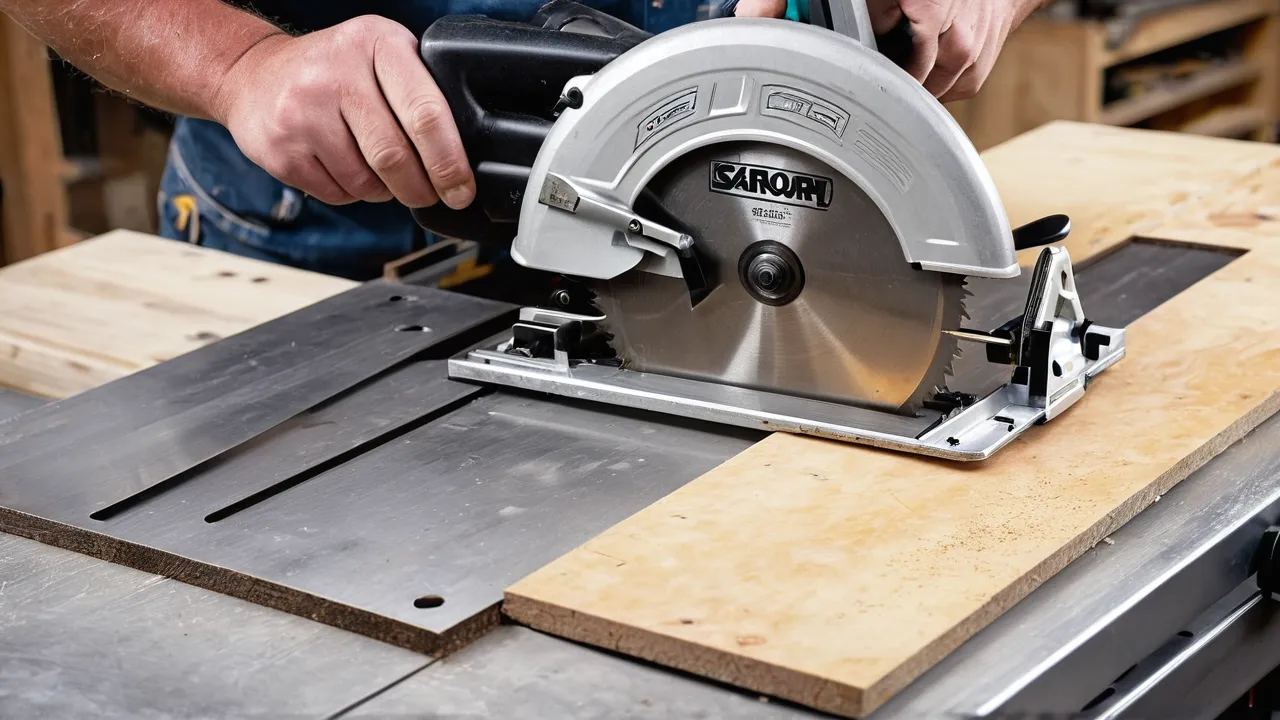
To choose a circular saw, decide between a sidewinder and a worm drive, check the blade size and depth of cut, look at the bevel capacity and adjustments, and inspect the shoe for flatness and strength. Then decide between corded and cordless, and look at guards and weight. A circular saw makes straight cuts in lumber and sheet goods, and a good one cuts accurately and safely. A sharp blade matters as much as the saw.
Sidewinder versus worm drive
A sidewinder, also called an inline saw, has the motor mounted beside the blade, with the blade on the right or left of the motor depending on the model. It is compact and lighter, common on job sites and in homes, and its blade side affects visibility of the cut line. A worm drive has the motor behind the blade and drives it through a worm gear. It is longer, heavier and usually delivers more torque at lower speed, which suits heavy framing and wet or thick lumber. Many worm drive saws have the blade on the left, which suits right-handed users who want to see the line.
Sidewinders are cheaper, lighter and easier to handle for general use and overhead work. Worm drive saws are bulkier and heavier but run smoothly in tough cuts. Neither is always better. If you cut framing lumber all day, a worm drive may suit you, and if you do household projects, a sidewinder is fine. There are also hypoid saws, which use a similar design with a sealed oil bath. Check the manual for oil change intervals on those.
Blade size and depth of cut
The common blade size for corded and cordless saws is seven and a quarter inches, which cuts through a two by four at ninety degrees and, on many saws, at forty-five degrees. Smaller blades suit compact cordless saws and cut thinner material. Larger blades give more depth but weigh more. Check the manual for the depth of cut at ninety degrees and at forty-five degrees. A saw that cuts through a two by four at forty-five degrees leaves you ready for most framing.
The blade must match the saw’s arbor size and maximum speed. Use only the diameter the maker specifies. A thin kerf blade removes less wood and eases the load on a cordless saw. A higher tooth count gives smoother cuts in plywood and trim, and a lower tooth count cuts faster in framing. Keep a framing blade and a finish blade, and replace them as they dull.
Bevel capacity and adjustments
Bevel capacity is how far the shoe tilts for angled cuts. Most saws tilt to forty-five degrees, and some go further, to fifty or fifty-five degrees, which helps with certain joints. Check that the bevel scale is easy to read and the lock is firm. A bevel lever should hold the setting under vibration. Some saws have positive stops at common angles, such as zero and forty-five degrees, which speeds setup.
Check how the depth adjustment works. A clear scale and a lever that locks tightly make it easy to set the blade a bit deeper than the board. Try the adjustments in the store or read how the maker describes them. Loose or sloppy locks cause inaccurate cuts and safety risks.
What to inspect on the shoe
The shoe, or base plate, rests on the work and guides the saw. It should be flat and rigid. A stamped steel shoe is common and can bend if the saw is dropped. A magnesium or heavy aluminum shoe is stiffer and holds flatness better. Check for flatness by placing the shoe on a flat surface and looking for rocking. Check that the shoe stays square to the blade, using a small square against the blade, if the manual describes how.
Look at the sight line and the notch that shows where the blade will cut. A clear cut line indicator helps accuracy. Check the guard, which should retract smoothly and snap back. A sticking guard is a hazard. Look for a dust port if you want to attach a vacuum, and a rafter hook if you work on roofs. A shoe with a smooth surface slides well over lumber.
Features worth having
- A brake that stops the blade quickly after you release the trigger.
- An electric brake or a clear trigger lock to prevent accidental starts.
- An LED light or a laser guide if you cut in dim areas.
- A comfortable handle and balanced weight.
- A spindle lock for quick blade changes.
- A cord that is long enough and flexible, or a cordless platform battery that fits your other tools.
- A strong guard and a clear blade-change procedure in the manual.
For cordless saws, check the battery size and brushless motor options, and think about runtime for long cuts. Our power tools category covers platforms and battery choices. If you also need precise crosscuts or trim cuts, a miter saw may serve you better, and our miter saw category covers that tool.
Safety basics
Circular saws kick back if the blade binds, and a spinning blade is dangerous. Support the work on both sides of the cut, set the depth slightly below the board, keep both hands on the saw and stand to the side of the cut line. Use a sharp, clean blade that matches the material, wear eye and hearing protection and a dust mask, and keep the cord clear of the blade path. Check that the lower guard moves freely. Unplug the saw or remove the battery before changing blades. Never defeat the guard.
Clamp the work, and never cut a board that is not supported. For long rips, use a guide or a straightedge to keep the saw straight. Follow the manual for your saw, and see how we review for how we weigh safety features.
Corded or cordless, and which blade to buy first
Corded saws deliver steady power for long cuts and cost less. Cordless saws offer freedom from cords on roofs and in yards, and brushless models with larger batteries cut framing lumber well, though long cuts in thick or wet material drain packs fast. If you already own a cordless platform, a saw from the same line saves money on batteries. If you cut a lot of lumber in one place, corded is hard to beat. Platform coverage appears in the categories linked in this guide.
For blades, start with a general-purpose or framing blade with a moderate tooth count for lumber, and add a finish blade with a higher tooth count for plywood and trim. Check that the blade fits the arbor and is rated for the saw’s maximum speed. Carbide-tipped blades stay sharp far longer than plain steel. Replace or sharpen a blade when cuts burn, slow down or tear out. A dull blade overworks the motor, raises kickback risk and gives poor results.
Weight, balance and comfort
A heavy saw is steady on a long cut but tiring overhead, and a light saw is easy to handle but can be pushed off line. Hold the saw with a battery fitted, if cordless. Check that your hand sits comfortably on the rear handle, that the front grip is reachable and that the trigger and lock are easy to use. Left-handed users should check which side the blade is on and how clearly they can see the cut line. A saw that fits your hand gives better cuts and tires you less.
Common mistakes when buying
- Choosing by the largest amp or voltage number instead of the shoe, guard and depth of cut.
- Ignoring blade side, then struggling to see the line.
- Buying a saw that cannot cut a two by four at forty-five degrees.
- Skipping a good blade and blaming the saw.
- Overlooking weight, which matters on long days.
- Forgetting that a cordless saw needs a larger battery than a drill.
Frequently Asked Questions
What is the difference between a sidewinder and a worm drive circular saw?
A sidewinder has the motor beside the blade and is lighter and cheaper. A worm drive has the motor behind the blade, is longer and heavier and delivers more torque for heavy framing. Choose by the work you do and the weight you can handle comfortably.
What blade size is best for a circular saw?
Seven and a quarter inches is the most common size and cuts a two by four at ninety degrees on most saws. Smaller blades suit compact cordless saws. Use the diameter the maker specifies and check the depth of cut in the manual.
How do I check if a circular saw shoe is flat?
Set the shoe on a flat surface and look for rocking, and hold a square against the blade and shoe to check that they are at right angles. A stiffer shoe made of heavy aluminum or magnesium holds flatness better than thin stamped steel.
Do I need a bevel capacity beyond forty-five degrees?
Most work needs zero to forty-five degrees. Saws that tilt further help with specific joints and roof work, but they are not essential for most homeowners. Check the bevel lock and scale for accuracy, since those matter more.
Final Thoughts
Choose a circular saw by the design that suits your work, the blade and depth you need, the bevel adjustments and a flat, rigid shoe. Add features such as a brake and a good guard, and choose corded or cordless to match your projects. Keep blades sharp, support the work and follow the safety basics. A good saw used carefully will serve for many years.
Related buying guides
- How to Choose a Reciprocating Saw: Stroke, Orbit, Blades
- How to Choose a Cordless Tool Battery Platform
- How to Choose a Dado Set and Table Saw Blade Basics
About the author

The BuyOnceChoice Editorial Team researches durable products worth buying once. Our guides compare published specifications, warranty terms, expert review consensus, and verified owner feedback. We do not conduct our own product trials. See How We Review and our Editorial Policy for our standards.