How to Choose a Dado Set and Table Saw Blade Basics
Stacked dado sets cut flatter grooves, wobble sets cost less and adjust easily. Check arbor length, motor power and throat plate before you buy.
 By BuyOnceChoice Editorial Team
Updated November 16, 2026
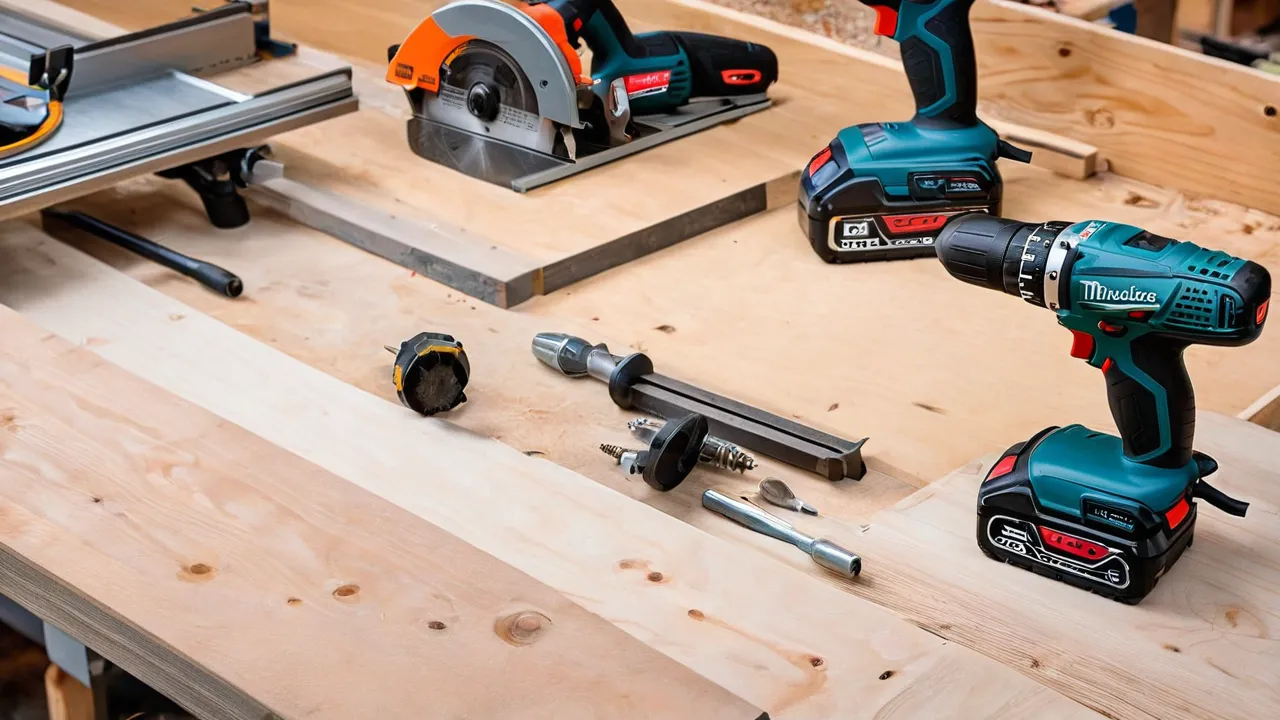
To choose a dado set for a table saw, decide between a stacked set and a wobble set, confirm that your saw’s arbor is long enough for the stack, check that the saw’s motor and throat plate can handle the cut, and read the manual for the maximum dado width. A stacked set gives flat, accurate grooves and is the usual choice for furniture and cabinet joinery. A wobble set is cheaper and adjustable, but it cuts a less flat groove. Dado cuts carry added risk, so follow the saw manual closely.
What a dado set does
A dado is a flat-bottomed groove cut across the grain, and a rabbet is a similar cut along an edge. A dado set replaces the single saw blade with a stack of blades and chippers, or a blade that wobbles, to cut a wide groove in one pass. Woodworkers use dadoes to join shelves to cabinet sides, build drawers and make joints that are stronger than butt joints. A dado set can cut a range of widths, and you set the width by adding or removing chippers and shims.
A dado set removes a lot of material at once, so it demands more of the saw than a single blade. It requires a throat plate with a wide opening, it usually requires removing the riving knife or the blade guard, and it changes how you feed the work. Check the manual to see whether your saw allows a dado and which accessories it requires.
Stacked sets
A stacked dado set has two outer blades and a number of chippers that fit between them, plus thin shims for fine width adjustments. Combine them to reach the width you need. The outer blades score the edges cleanly, and the chippers clear the waste. The result is a flat-bottomed groove with clean walls.
A common set is eight inches in diameter and cuts widths from about a quarter inch up to roughly thirteen sixteenths of an inch, though specific limits vary by set and by saw. Six-inch sets exist for saws with limited capacity. Carbide-tipped sets last long and cut cleaner in plywood and hardwood, while steel sets are cheaper and fine for light use. A thicker, heavier stack demands more from the motor.
Strengths: flat bottoms, clean edges, wide range of widths, good in plywood. Weaknesses: setup takes time, a good set costs more and you need the right arbor length.
Wobble sets
A wobble dado is a single blade mounted on washers at an angle, so it wobbles as it spins and cuts a wider groove. You adjust the width by turning a collar. It is quick to set up and costs less. The groove bottom is not flat, though. It is slightly curved, and the width can vary in use. A wobble set also tends to leave rougher edges.
Wobble sets suit rough work, occasional use or jobs where a perfect floor is not needed, such as shop jigs and utility shelves. For furniture, drawer boxes and visible joinery, a stacked set gives better results. If you plan to build cabinets, a stacked set is the investment that pays back.
Check the arbor length
The arbor is the shaft that holds the blade. A dado stack is thick, so the arbor must be long enough to carry the whole stack and still let the arbor nut engage its threads fully. Check the manual for the saw’s maximum dado width and for the recommended stack. If the arbor is too short, the nut may not seat properly, which is dangerous. Do not use a dado set if the saw’s manual does not allow it, and do not exceed the maximum width.
Also check the arbor size and the bore of the set. Most dado sets have a five-eighths inch bore, which fits most table saws, but confirm it. Some saws have a left-tilt arbor and others tilt right, which does not change the dado but affects the setup. Hold the stack up against the arbor and check that there is room for the washer and nut.
Motor power and feed rate
A dado cuts a lot of wood at once, so the motor works harder than with a standard blade. A contractor saw or a small jobsite saw may bog down on a wide dado in hardwood, while a cabinet saw handles it comfortably. Reduce the load by making a wide cut in several passes, raising the blade in steps and feeding more slowly. A sharp set helps. Listen to the motor: if it slows and the saw smells hot, back off.
Feed rate matters. Push the work steadily, and do not stall. A slow, even feed gives a clean cut and reduces burning, and a fast feed can cause kickback or tear-out. Use a push block and keep hands clear of the blade.
Throat plate, guard and setup
A dado needs a throat plate with a wide slot, because a standard plate has a narrow opening made for a thin blade. Use the plate the saw maker provides or a dado insert that fits your saw. A zero-clearance insert, cut for the dado, supports the wood around the cut and reduces tear-out. Make your own with a blank plate if the maker offers one.
Most saws require removing the riving knife and the blade guard for a dado, because the stack is wider than the knife. That removes protection, so use extra caution: featherboards, push blocks, and no freehand cuts. Some saws have a dado-capable guard or a special riving knife, so check the manual. Never make a cut that goes against the manual.
Set the width with trial cuts in scrap, and check the groove with the actual piece. Add shims to dial the fit. Raise the blade slowly for deeper dadoes. Tighten the arbor nut securely and, when finished, clear dust and resin from the set.
Safety
Dado cuts remove the standard protections, so work carefully. Unplug the saw before changing blades. Use push blocks and featherboards, wear eye and hearing protection and a dust mask, and keep your hands away from the blade. Do not make through cuts with a dado set when the manual forbids it. Our power tools category and hand tools category cover related tools, including hand methods for grooves. Read how we review for how we weigh safety guidance.
Buying checklist for a dado set
- Stacked or wobble, chosen by the finish quality you need.
- Diameter and bore that match the saw’s manual.
- Carbide-tipped teeth for plywood and hardwood, with a clear range of chippers and shims.
- Maximum width that stays within the saw’s stated limit.
- A case that keeps chippers and shims organized.
- A dado throat plate available for your saw.
How to cut a clean dado
Mark the groove on the workpiece and set the stack to the width using trial cuts in scrap. Set the blade height slightly low, make a cut, and raise it in small steps until the depth is right. Use a miter gauge or a sled to guide the work, with a sacrificial fence if you plan to cut rabbets. Hold the work firmly, feed at a steady pace and keep fingers away from the stack. For wide grooves, make several passes and nibble away the waste. Clean up the bottom with a chisel if needed, and check the fit with the actual mating piece. Shims let you adjust the width in tiny steps.
Plywood and fit
Plywood is often slightly thinner than its nominal size, so a standard dado may leave a loose joint. Use shims or a set that offers fine width adjustments, and always check with a scrap of the actual plywood. A tight but not forced fit gives the strongest glue joint. Keep a few spare shims with the set so that you can fine-tune each project.
Frequently Asked Questions
Is a stacked dado set better than a wobble dado?
For flat-bottomed grooves and clean edges, yes. A stacked set cuts a more accurate groove and suits furniture and cabinet work, especially in plywood. A wobble set is cheaper and quick to adjust but leaves a slightly curved bottom and rougher edges, which is fine for shop jigs and rough work.
Can any table saw use a dado set?
No. Check the manual first, since the saw must be approved for dado use, with an arbor long enough to carry the whole stack and seat the nut, a motor capable of the cut and a throat plate that fits. Do not exceed the stated maximum dado width, and do not use a dado on a saw whose maker forbids it.
What size dado set should I buy?
An eight-inch stacked set is common for most full-size table saws, and a six-inch set suits some smaller saws. Check the manual for the largest dado diameter and width the saw allows, confirm the arbor bore of the set matches your saw, and compare the number of chippers and shims included.
Do I need a special throat plate for a dado set?
Yes. A standard plate has a narrow slot made for a single blade, and the wider stack will not fit through it. Use a dado-width plate or an insert designed for your saw, and consider a zero-clearance plate for cleaner cuts and better support around the groove.
Final Thoughts
Choose a stacked dado set if you want flat grooves and clean joints, and a wobble set only for rough work. Confirm the arbor length, the saw’s rating for dado use, the motor’s ability and the right throat plate. Make wide cuts in passes, feed steadily and use push blocks. A good set and a careful setup make joinery much easier.
Related buying guides
- Impact Driver vs Hammer Drill vs Drill Driver
- Jobsite vs Cabinet vs Hybrid Table Saw: How to Choose
- Table Saw Safety: Riving Knife, Push Sticks and Kickback
About the author

The BuyOnceChoice Editorial Team researches durable products worth buying once. Our guides compare published specifications, warranty terms, expert review consensus, and verified owner feedback. We do not conduct our own product trials. See How We Review and our Editorial Policy for our standards.