Corded vs Cordless Circular Saw: Which One to Own
Corded saws deliver steady power all day, while cordless saws trade runtime and battery cost for freedom. See which suits remodelers, deck builders and DIYers.
 By BuyOnceChoice Editorial Team
Updated November 16, 2026
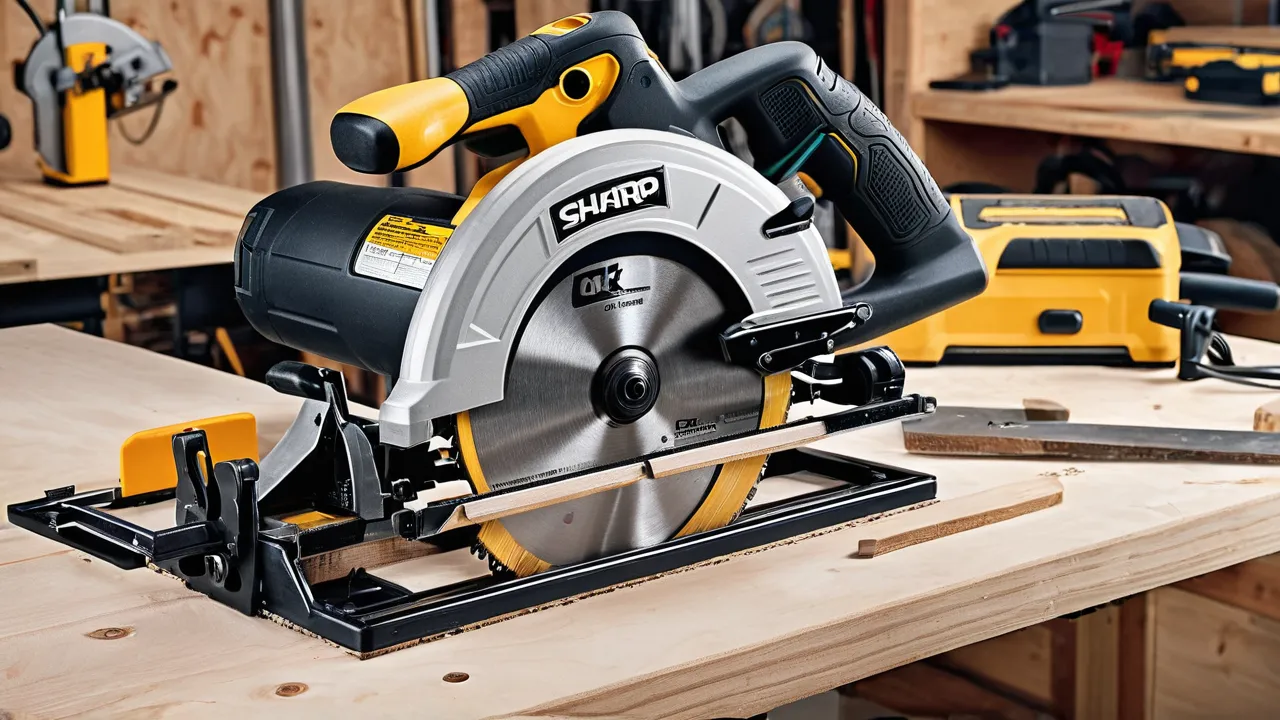
Corded vs cordless circular saw is a choice between steady power and freedom from outlets. A corded saw gives steady power for as long as you have an outlet and costs less to own, while a cordless saw offers freedom from cords at the price of runtime limits and batteries. For long rip cuts in thick lumber, corded usually wins. For quick cuts, roofs, ladders and sites without power, cordless wins, provided you plan your batteries.
Power delivery and sustained cuts
A corded saw draws power directly from the outlet, so output does not fade as the day wears on. A cordless saw drains its battery with each cut, and the motor can bog down in thick or wet lumber when the pack runs low. Brushless motors and larger packs have narrowed the gap, but a corded saw still holds an edge for long, heavy cutting.
This matters most for sustained work: ripping long boards, cutting sheet goods all afternoon, or cutting thick treated lumber. A cordless saw may need a fresh pack every so often, which is fine for a team with spare packs and a charger but a nuisance for one person with one pack.
Blade choice changes the comparison. A thin kerf blade removes less material per cut, which eases the load on a cordless motor and stretches runtime. A sharp blade on a cordless saw can outperform a dull blade on a corded one. When a cordless saw seems weak, check the blade first. Pitch, resin and dull teeth increase drag, and cleaning or replacing the blade often restores performance.
Runtime and battery planning
Runtime depends on pack capacity, the material, the blade and the cut length. Instead of expecting a number, plan packs by the work: one pack per major stretch of cutting, plus a spare charging. If your platform offers a higher-capacity pack for saws, buy that first. Our power tools coverage discusses battery sizing across tool types.
- Count how many long cuts you make in a typical session.
- Use a larger pack for saws than for drills.
- Keep a second pack charging while the first works.
- Carry a corded backup for the longest cutting days.
- Expect less runtime in thick, wet or dense lumber.
Cold and heat both affect packs. A cold pack delivers less, and a hot pack may shut down to protect itself. Keep spare packs in the shade in summer and inside a pocket or vehicle cab in winter. A larger pack runs cooler under the same load because each cell works less hard.
Cost of ownership
A corded saw has a lower upfront cost and no battery to replace. A cordless saw is cheap only if you already own the platform, since the battery and charger are the major expense. If you are building a cordless collection anyway, adding a saw makes sense. If you need only a saw, a corded model is the economical pick. Battery packs also age, and replacement is part of the long-term cost.
A useful comparison is cost per tool over the years. A corded saw may last decades with only blade changes and, if it has brushes, brush replacements. A cordless saw lasts as long as the motor and electronics, but the battery is a consumable, and platform changes can strand you with orphaned packs. A platform with a long history and a wide range of tools reduces that risk.
Convenience and safety on site
Cords are a trip hazard, and they can be cut by the saw itself. A cordless saw avoids that and works on roofs, ladders and in yards without a nearby outlet. On a corded saw, use a cord with adequate gauge and keep it clear of the blade path. A long thin cord starves the motor and heats up, so check the saw’s amp rating and use an outdoor-rated cord for outside work, with the connection off wet ground.
Cordless saws can be quiet at idle, but a saw that starts instantly can surprise you. Always remove the battery when changing blades, and unplug a corded saw for blade changes. Some corded saws have a locking cord end or a clip on the handle, which keeps the cord from pulling out mid-cut.
Features compared
- Weight: corded saws are often lighter without a pack, cordless saws are heavier with a battery.
- Power at long cuts: steady on corded, fades as the pack drains on cordless.
- Setup: corded needs an outlet, cordless is ready anywhere.
- Ongoing cost: low for corded, batteries age on cordless.
- Best for: shop and long rip cuts on corded, roofing, decks and quick cuts on cordless.
Blade, guard and ergonomics
Both types use the same kinds of blades, and both need a working lower guard that retracts smoothly. Check that the shoe is flat and that the bevel and depth adjustments lock securely. Our miter saw category covers a different cutting tool that often pairs with a circular saw for crosscuts.
Sound and vibration differ a little. Brushless cordless saws can be smooth and relatively quiet, while some corded saws with brushes are louder. Wear hearing protection either way. Heavier saws damp vibration, which can improve control on long cuts, while lighter saws are easier on the arms for short ones. Hold a few to feel what suits you.
Before each cut, check that the lower guard moves freely and returns on its own, and that the blade is sharp and matches the material. A dull blade overworks any saw and increases kickback risk. Support the work on both sides of the cut, set the blade depth slightly below the board, and keep both hands on the saw. These habits matter more than the power source.
Who should choose which
- Choose corded if you cut a lot of lumber in one place, rip long boards or want the lowest cost.
- Choose cordless if you work on roofs, decks or in yards, already own the platform or value mobility over runtime.
- Choose both if you want a cordless saw for quick cuts and a corded saw for the big job.
- Work alone cutting sheet goods in a shop: corded, ideally with a rip guide or track.
- Build decks, fences and sheds: cordless saves the time of dragging cords.
- Remodel room to room: cordless for speed of setup.
Consider sharing too. A corded saw has no platform tie, so a friend or relative can borrow it. A cordless saw works only with matching batteries. For a tool that might be shared among family members, corded is simpler, while cordless suits a person who already invests in a platform. Read how we review for how we weigh ownership factors.
Safety
Use only the maker’s charger and packs, do not charge a damaged pack, and store packs away from heat and flammables. Wear eye and hearing protection, use the guard, and follow the saw manual for blade size, kickback prevention and maintenance.
Cut-quality and depth considerations
Both types come in sizes sized for framing lumber, and the depth of cut at ninety degrees and at forty-five degrees is listed in the manual. Check that the saw cuts through the thickest material you use at the bevel angles you need, since cordless saws in smaller blade sizes may fall short on thicker stock. Look at the shoe too: a stamped steel shoe can flex, while a magnesium or heavy aluminum shoe stays flat and keeps cuts square. A rip fence or a track guide improves accuracy more than any change of power source, and a sharp finishing blade matters when you cut plywood or trim.
If you cut a lot of plywood, choose a blade with a higher tooth count to limit splintering, and score the cut line with tape if the face is delicate. Cordless saws handle this fine as long as the blade is sharp and the pack is charged. If you switch between rough framing cuts and finish cuts, buy two blades and swap rather than compromise with one.
Frequently Asked Questions
Is a cordless circular saw powerful enough for framing lumber?
Many brushless cordless saws cut framing lumber well, especially with a sharp blade and a larger battery. Long cuts in thick, wet or treated lumber drain packs faster, so bring a spare pack. Check the saw’s depth of cut and the maker’s guidance.
How long does a cordless circular saw battery last?
It depends on pack capacity, material and cut length. A larger pack lasts longer, and thick or wet lumber drains it faster. Plan by work instead of a number: one pack cutting while another charges, and check the maker’s runtime notes.
Is a corded circular saw more powerful than cordless?
A corded saw delivers steady power without fade, and many are strong for long heavy cuts. Modern brushless cordless saws narrow the gap for typical work. Compare the amp rating on corded saws and the pack and motor on cordless models.
Can I use an extension cord with a corded circular saw?
Yes, if the cord is rated for the saw’s amp draw and the length you need. A thin or long cord can starve the motor and overheat. Use an outdoor-rated cord outside and keep connections dry.
Final Thoughts
The decision comes down to where you cut and how long you cut. Corded gives steady power and low cost, and cordless gives freedom with planning. Match the tool to your typical job, keep blades sharp and follow the safety rules for any saw. If you are unsure, start with the one that fits your most frequent work and add the other later.
Related buying guides
- Cordless Drill Buying Guide: Chuck, Torque and Clutch
- Drill vs Impact Driver: Which One Do You Need First
- How Long Do Cordless Tool Batteries Last? Care Guide
About the author

The BuyOnceChoice Editorial Team researches durable products worth buying once. Our guides compare published specifications, warranty terms, expert review consensus, and verified owner feedback. We do not conduct our own product trials. See How We Review and our Editorial Policy for our standards.