Crawl Space vs Basement Dehumidifiers: What Changes
Compare a crawl space dehumidifier vs basement model on cold operation, drainage, access, and size, then pick the right type for each space.
 By BuyOnceChoice Editorial Team
Updated November 16, 2026
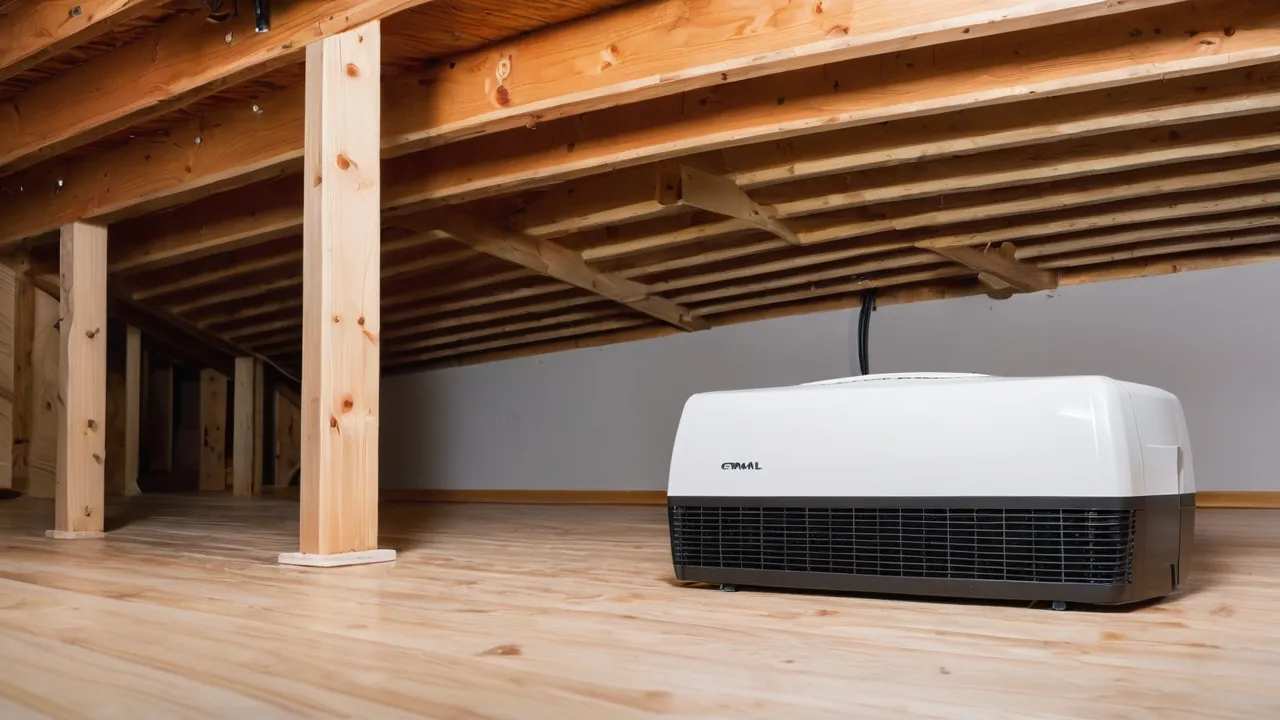
A crawl space dehumidifier differs from a basement dehumidifier mainly in size, temperature range, and installation: crawl space units are compact or low-profile, work in cooler air, and need a continuous drain or pump because you cannot empty a bucket in a tight space, while basement units are larger, portable, and often use a bucket. Choose by the space’s temperature, access, and moisture source, and fix water entry first.
Why the Two Spaces Need Different Machines
A basement is a room you can enter, with a ceiling you can stand under, and often a floor drain or a nearby sink. It is part of the living space in many homes, and its temperature follows the house. A crawl space is a low, enclosed area beneath the floor, usually with dirt or a thin concrete floor, limited access, and cooler, damper air. Wiring and plumbing may run through it.
Because of these differences, the equipment, the placement, and the maintenance plan change. A unit that works well in a finished basement may be too large, too noisy, or poorly suited to a crawl space, and a crawl space unit may be too small for a large basement.
Temperature and Operating Range
Crawl spaces are often cooler than basements, especially in shoulder seasons and winter. Compressor dehumidifiers lose efficiency in cool air and can frost over below a stated temperature, so check the manual’s operating range. Many crawl space models are built for low temperatures, with defrost features, and some desiccant models work in cold air. For a crawl space that stays cool, choose a unit rated for the temperatures you will see.
Basements usually sit within a warmer range, so a standard compressor unit works well in most seasons. In a cold basement, the same range check applies.
Size, Capacity, and Placement
| Factor | Crawl space | Basement |
|---|---|---|
| Access | Tight, often on hands and knees | Walk in |
| Unit size | Compact or low-profile | Larger, portable |
| Drain | Continuous drain or pump, strongly preferred | Bucket or hose, either works |
| Placement | Hung from joists or set on blocks off the ground | On a level floor |
| Moisture source | Soil, vents, plumbing leaks | Walls, floor, humid air |
| Capacity needed | Depends on area and vapor control | Depends on room size and dampness |
Choose capacity by the area and the dampness, and use the maker’s chart. In a crawl space, the unit may need to circulate air through a small, irregular space, so look at the unit’s airflow and the layout. Some crawl space units use ducts or ports to spread dry air. A professional can help with placement.
Our dehumidifier guides explain sizing and types.
Drainage: The Biggest Practical Difference
In a basement you may carry a bucket to a sink every day, or run a hose to a floor drain. In a crawl space you cannot do that, so choose a unit that drains continuously.
- Gravity drain: the hose runs downhill to a drain or to the outside. This needs a place lower than the unit.
- Pump: a built-in or add-on pump pushes water through a hose to a drain, a sump, or outdoors. Check the maximum lift and the hose length.
- Condensate management: make sure the hose cannot kink, freeze, or pull loose, and check it each season.
- Overflow protection: a float switch or a leak sensor can prevent flooding if the pump fails.
A clogged or disconnected drain can leave a crawl space flooded with standing water and moldy insulation, so inspect it regularly.
Safety and Water Damage Risks
Crawl spaces involve hazards, and water and electricity are a risky mix.
- Water damage risk: shut off the water supply to the area and the electricity if you see standing water, and do not enter a flooded space or touch electrical equipment in water. Call a licensed professional.
- Electrical safety: use a grounded outlet protected by a ground fault circuit interrupter, and avoid extension cords in damp spaces. A licensed electrician should install or inspect any outlet or wiring.
- Confined space: crawl spaces can be tight, dark, and contain insulation, nails, pests, and sharp edges. Wear protective clothing, gloves, a dust mask, and a headlamp, tell someone you are going in, and do not enter if you smell gas, see significant mold, or feel unwell.
- Gas appliances: if the crawl space contains a furnace, water heater, or gas lines, follow the manual and hire a professional for any work near them.
- Radon and other issues: if you have concerns about indoor air quality, ask a qualified professional.
- Follow the dehumidifier manual for clearance, orientation, and installation.
Moisture Sources Come First
A dehumidifier treats the air, and it cannot keep up with a steady water leak or open dirt.
- Fix plumbing leaks and downspout discharge.
- Seal and grade soil so water flows away from the foundation.
- Cover exposed soil with a vapor barrier laid and sealed as a professional or the product guidance directs.
- Consider whether crawl space vents should be open or sealed, since guidance varies by climate and building design. Ask a qualified contractor, because sealing a crawl space changes ventilation and can affect combustion appliances.
- Insulate cold pipes to prevent sweating.
Our How We Review page explains how we evaluate products using research and specifications rather than claims of our own trials. For related products, see the home appliances hub.
Targets and Monitoring
Aim for relative humidity between about 30 and 50 percent, and below 60 percent at all times, in both spaces. Place a hygrometer where you can read it, and consider one with remote reporting for a crawl space so you do not need to crawl in to check. Review readings in different seasons. If humidity stays above 60 percent despite the dehumidifier, look for moisture sources, or call a professional.
Maintenance Plan for Each Space
Check a crawl space unit at the start of each season. Look at the drain hose for kinks, leaks, and freezing, watch the pump run if there is one, clean or replace the filter as the manual says, and wipe off dust or debris. Confirm that the hygrometer reading is steady. In a basement, clean the filter every few weeks in humid months, empty the bucket if you use one, and wipe the coils and grille. In both spaces, listen for new noises, look for water around the unit, and check the cord and plug for heat or damage. Keep a spare filter and note the model number and the date of the last check. If the unit stops collecting water while humidity is high, or frost builds on the coils, unplug it and check the manual or contact the maker.
Signs the Machine Is Not Enough
- Humidity stays above 60 percent after weeks of running.
- Standing water or damp soil returns after rain.
- Musty smells return or visible mold spreads.
- Insulation in the floor above is sagging, wet, or stained.
- Wood framing looks dark, soft, or fuzzy.
- Pests appear or the space smells of sewage or gas.
If you see these signs, stop relying on the machine alone, and ask a licensed contractor or a qualified moisture specialist to inspect. Do not disturb suspected mold in large amounts, and leave structural or electrical repairs to professionals. Photograph the conditions and record humidity readings, which will help the person who inspects the space.
Which Should You Choose?
1. Finished or walk-in basement: a standard portable or whole-basement unit with a drain or pump. 2. Cool or cold basement: a model rated for low temperature, or desiccant. 3. Crawl space with easy access and a drain path: a compact unit with a continuous drain. 4. Crawl space that is hard to reach: a unit designed for crawl spaces, installed by a professional. 5. Wet space with standing water: fix the leak first, then add a dehumidifier. 6. Both spaces: use the right unit for each, and do not move one unit between them without checking the specifications.
Worked Example
A homeowner finds a musty smell upstairs, and a hygrometer shows 68 percent in the crawl space. A contractor corrects a downspout and a leaking pipe, lays a vapor barrier, and installs a compact crawl space dehumidifier with a pump to the outdoors. The basement, which shows 55 percent, gets a portable compressor unit with a hose to a floor drain. Both spaces settle near 50 percent.
Frequently Asked Questions
Can I use a basement dehumidifier in a crawl space?
Sometimes, but check the size, operating temperature, and drain. A bucket model cannot be emptied in a crawl space, and a standard compressor unit may frost in cool air. A model designed for crawl spaces, with a continuous drain, is usually a better fit.
Do I need a pump for a crawl space dehumidifier?
Often yes, because water must leave the space without a person emptying a bucket. A gravity drain works if the hose can slope down to a drain or outdoors. Check the lift, hose length, and overflow protection in the manual.
What humidity should a crawl space have?
Roughly 30 to 50 percent, and below 60 percent, as a common guide. Use a hygrometer, preferably with remote reporting. If readings stay high, find and fix the moisture source, and ask a professional about vapor barriers and ventilation.
Is it safe to run a dehumidifier in a crawl space?
It can be if it is rated for the conditions, plugged into a grounded, ground fault protected outlet, and installed per the manual. Never work in standing water, and use a licensed electrician for wiring. Seek a professional if you are unsure.
Final Thoughts: Drain, Temperature, and Moisture Source Decide
Choose a crawl space unit for cool, tight spaces with continuous drainage, and a standard basement unit for walk-in rooms. Fix water entry first, use ground fault protection, and call licensed professionals for electrical work and standing water.
Related buying guides
- Dehumidifier Pint Ratings Explained: Old vs New Standard
- Dehumidifier with Pump vs Gravity Drain: Which to Choose
- How Long Does a Dehumidifier Last and When to Replace
About the author

The BuyOnceChoice Editorial Team researches durable products worth buying once. Our guides compare published specifications, warranty terms, expert review consensus, and verified owner feedback. We do not conduct our own product trials. See How We Review and our Editorial Policy for our standards.