18/10 vs 18/0 Stainless Steel Cookware Explained
The numbers describe chromium and nickel content. Learn what that changes for rust, shine, induction and cost, and who should pick which.
 By BuyOnceChoice Editorial Team
Updated November 16, 2026
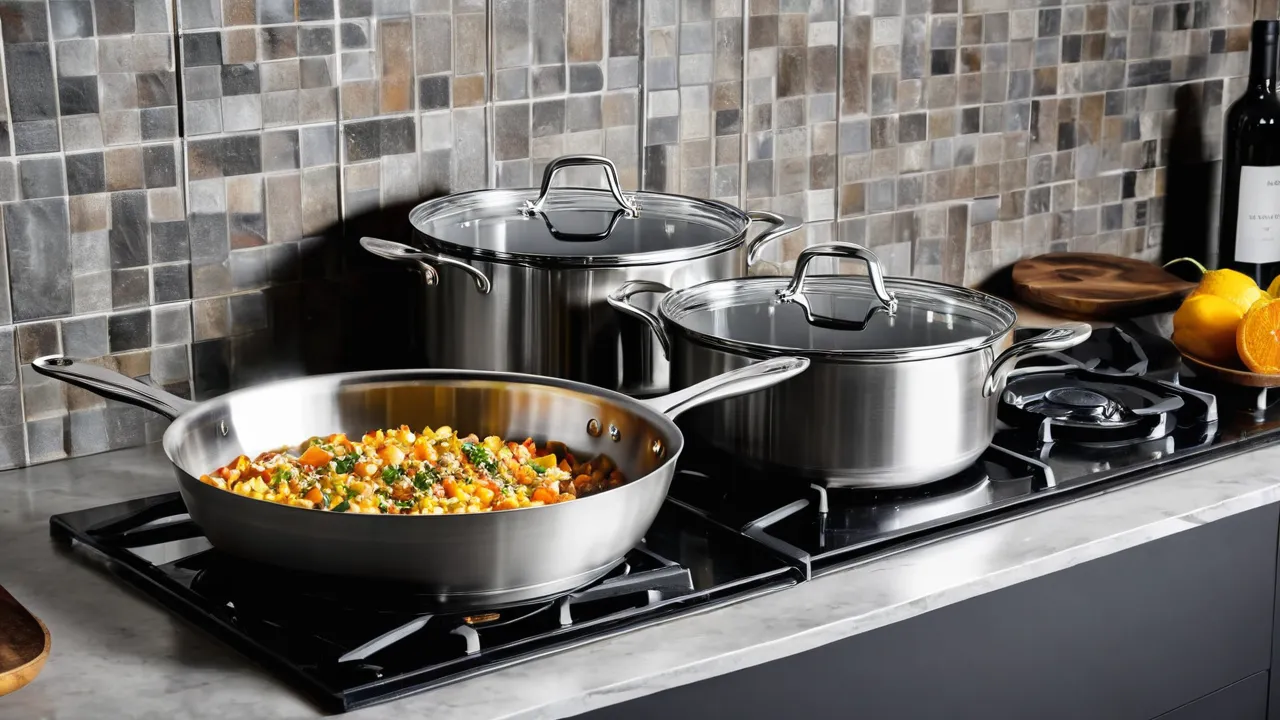
The numbers in 18/10 versus 18/0 stainless describe the percentage of chromium and nickel in the steel: 18/10 has about 18 percent chromium and 10 percent nickel, while 18/0 has about 18 percent chromium and almost no nickel. In practice, 18/10 resists corrosion and staining a little better and has a brighter finish, while 18/0 is magnetic, usually costs less and suits induction cooktops directly.
What the Numbers Mean
Stainless steel is iron mixed with other metals. Chromium forms a thin protective film that resists rust, and nickel makes the steel more corrosion resistant and gives it a softer, brighter surface. In 18/10, the first number is the approximate chromium content and the second is the nickel content. In 18/0, nickel is absent or negligible.
These grades have common names. 18/10 is the austenitic family, often sold as 304 stainless, and 18/0 is a ferritic stainless, often compared with 430. Labels vary, and some makers list the grade only on the product page, so check the description or ask. A label of 18/8 is close to 18/10 in behavior, with a little less nickel.
It helps to remember that the cooking surface of most good stainless pans is the same layer you see on the inside. Many multi-layer pans use 18/10 on the inside, with an aluminum or copper core for heat spreading, and a magnetic stainless layer on the outside for induction. So the label may describe one layer, not the whole pan. Our stainless steel cookware page covers construction types.
Induction Compatibility
Induction cooktops heat cookware through a magnetic field, so the pan needs a magnetic base. 18/0 stainless is magnetic, so a pan made of 18/0 usually works on induction. 18/10 is not strongly magnetic, so a pan made only of 18/10 may not work. To fix this, makers add a magnetic stainless layer or disc to the base of 18/10 pans.
You can check at home with a refrigerator magnet. If it sticks firmly to the bottom of the pan, the pan will most likely work on induction. If it sticks weakly or not at all, it may not, or it may heat poorly. For the safest approach, look for an induction-compatible mark on the product page and follow the cooktop and cookware manuals.
Note that a magnet check shows compatibility, not quality. Some 18/0 pans are thin and warp, and some 18/10 pans with a good magnetic base work very well on induction.
Corrosion, Staining and Finish
18/10 resists pitting from salt and acidic foods a bit better than 18/0, and it keeps its polish well. 18/0 can show more surface marks and may rust in harsh conditions, especially if left wet or in contact with salt for long periods. Neither grade is immune, though. Any stainless pan can pit from salt sitting on the surface, develop heat tint, show white mineral spots or stain from burnt food.
Care helps most. Wash soon after use, dry the pan, and use a non-scratch cleaner for stains. Avoid leaving salt or acidic foods sitting in the pan. If a pan shows rust spots, scrub them off, and consider the pan a sign to review its grade and care.
Cost and Where Each Shows Up
Nickel is expensive, so 18/0 is generally cheaper. You will often see 18/0 in budget cookware, some induction-oriented pans, utensils and cutlery where lower cost matters. 18/10 appears in mid-range and premium cookware, flatware and many cooking surfaces. The price difference may be small in a single pan, and the construction, thickness and layers matter more to how the pan cooks than the grade alone.
Compare on the whole pan: how many layers, how thick the base is, what the handle is made of and what the warranty says. A well-built 18/0 pan can outperform a thin 18/10 one.
Nickel Sensitivity
Some people have a nickel allergy or sensitivity. Stainless steel locks nickel into the alloy, and most people with a mild allergy handle stainless cookware without trouble. Small amounts can leach from stainless cookware, especially with acidic foods cooked for long periods in new pans. If you have a diagnosed nickel allergy, ask your doctor or allergist whether 18/10 cookware is appropriate for you, and consider 18/0, cast iron or other materials. Our guide to cast iron covers one alternative. This is general information and not medical advice.
Labels, Care and Longevity
Other Labels You Will See
Cookware pages use several names for the same families, and they can be confusing.
- 18/10 and 18/8: both are austenitic stainless with about 18 percent chromium, and a little less nickel in 18/8. They behave very similarly in the kitchen.
- 304: a common grade name for this family, often used as shorthand for 18/8 or 18/10 steel.
- 316: a related grade with added molybdenum for extra resistance to salt, more often seen in marine or premium products.
- 430: a common ferritic grade comparable to 18/0, magnetic and lower in cost.
- Surgical or food grade: marketing phrases with no fixed meaning, so look for the actual grade.
If a product lists only a vague phrase, ask which grade the cooking surface uses. Some pans combine grades, for example an 18/10 interior with a magnetic exterior, and this is normal and often the best of both.
Care Notes That Apply to Both Grades
Preheat the pan before adding oil, add food when the surface is hot and let it release on its own. Use moderate heat, since high heat causes heat tint and sticking. Soak stuck-on food with warm water and use a non-scratch scrubber or a paste of baking soda for stains. Do not leave bleach or salty water standing in the pan, since chlorine can pit stainless. Dry the pan after washing to avoid spots. If the manual says the pan is dishwasher safe, check whether the maker still recommends hand washing for appearance.
A pan that is cared for well can last for decades in either grade, which is why construction and handles deserve as much attention as the number on the label. Compare warranty terms too, and read what they exclude. The most common failures are warped bases from thermal shock, pitting from salt and loose handles, not the grade itself.
Who Should Choose Which
- Induction cooktop and a tight budget: 18/0 or a layered pan with a magnetic base.
- You want a bright finish and the best stain resistance: 18/10, with a magnetic base if you have induction.
- Nickel sensitivity: ask a doctor, and consider 18/0 or non-stainless options.
- Frequent cooking with acidic or salty foods: 18/10 interior, with careful care.
- Utensils and bakeware: either grade works, so choose by build and handle comfort.
A Worked Example
A cook with an induction range finds two similar skillets. One is labeled 18/10 with an aluminum core and a magnetic steel base disc, and the other is labeled 18/0 with a thick, single-layer base. A refrigerator magnet sticks firmly to the bottom of both. The 18/10 pan has a brighter interior and better stain resistance, and its aluminum core spreads heat more evenly. The 18/0 pan costs less and is simple, but the single layer heats less evenly and can have hot spots. If budget is tight and the cook is careful about heat, the 18/0 pan is workable. If even heating matters, the layered 18/10 pan is the better fit. The grade told only part of the story, and construction told the rest.
How to Read a Product Page
Check whether the page states the grade for the interior and the exterior, the number of layers, the induction mark and the oven safe temperature. If the page lists only “stainless steel”, ask the seller. A page that lists grade and construction plainly is easier to trust. See how we review for how we treat such claims, and browse the cookware and kitchen tools hub for related guides.
One last shopping point: do not chase the grade alone. A thick, flat, well-bonded base in either grade usually matters more to daily cooking than the nickel content, and comfortable handles and a lid that fits will shape how often you use the pan. Treat the grade as one line in a checklist that also covers layers, weight, oven limits and warranty, and you will make a better choice than someone who picks by the number.
Frequently Asked Questions
Is 18/10 stainless steel better than 18/0?
For corrosion and stain resistance and a bright finish, 18/10 is generally a little better. For induction compatibility on its own and for cost, 18/0 has advantages. Pan construction matters more than the grade, so compare layers, base thickness and handle design too.
Does 18/10 stainless work on induction cooktops?
Not by itself, because it is not strongly magnetic. Many 18/10 pans have a magnetic stainless layer or disc in the base so they work on induction. Check that a magnet sticks firmly to the bottom of the pan, and look for an induction mark.
Is 18/0 stainless steel safe for cooking?
Yes, food-grade 18/0 stainless is commonly used for cookware and utensils. It resists corrosion less than 18/10, so wash and dry it promptly and avoid leaving salty or acidic foods in it. Follow the maker’s care instructions.
Should I avoid 18/10 if I have a nickel allergy?
Ask your doctor or allergist. Most people with mild sensitivity tolerate stainless, but some should avoid nickel-containing steel. Options include 18/0 stainless, cast iron or other materials, and a professional can advise on your case.
Final Thoughts
18/10 gives better corrosion resistance and a brighter finish, and 18/0 gives magnetic induction compatibility and lower cost. Check the whole pan’s construction, confirm induction compatibility with a magnet instead of guessing, and ask a doctor if you have a nickel allergy.
Related buying guides
- 3 Ply vs 5 Ply Stainless Steel Cookware: Does It Matter?
- Cookware Buying Mistakes That Cost You Twice
- Cookware Lifetime Warranty: What It Really Covers
About the author

The BuyOnceChoice Editorial Team researches durable products worth buying once. Our guides compare published specifications, warranty terms, expert review consensus, and verified owner feedback. We do not conduct our own product trials. See How We Review and our Editorial Policy for our standards.