Cast Iron vs Carbon Steel Pans: Which to Buy Once
Both pans rely on seasoning and last for decades, but they feel very different in hand. Here is how weight, heat and care decide which one you keep.
 By BuyOnceChoice Editorial Team
Updated November 16, 2026
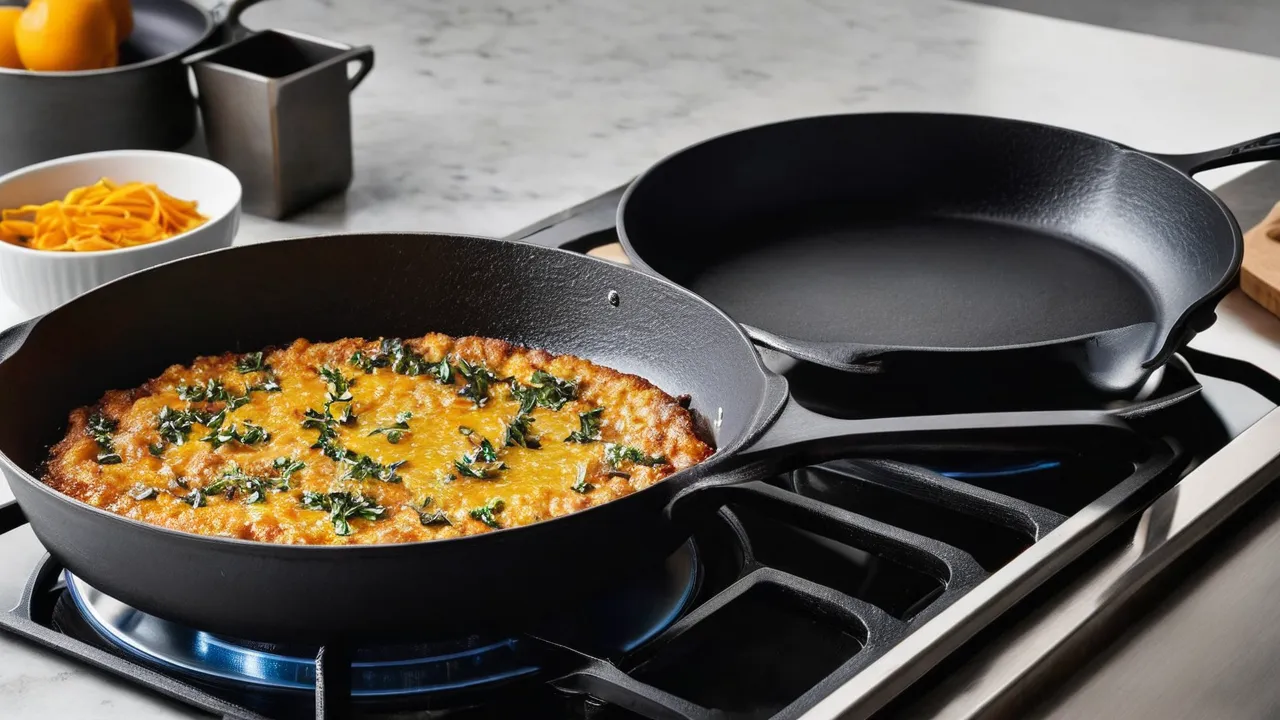
Cast iron and carbon steel pans are close cousins, both seasoned with baked-on oil, but cast iron is thicker, heavier and holds heat longer, while carbon steel is thinner, lighter and reacts faster to changes in the burner. If you want a heavy pan for steady searing and oven use, buy cast iron once. If you want a lighter pan for quick control, tossing and a flatter profile, buy carbon steel.
What the Two Metals Actually Are
Both are iron-carbon alloys. Cast iron has a higher carbon content and is poured into a mold, which gives it a thick, somewhat rough surface unless it is machined smooth. Carbon steel has less carbon and is stamped or spun from sheet metal into a thin, smooth pan. Neither has a protective coating, so both rely on seasoning, a layer of oil baked onto the metal, to resist rust and to release food.
Because they are made differently, they behave differently in daily use. Cast iron is brittle and can crack if dropped or shocked with sudden temperature changes, and carbon steel is tougher against impact but can warp. Both can last for decades with care. Our cast iron cookware page covers the cast iron side in more depth.
Weight and Handling in Daily Use
The biggest everyday difference is weight. A 10 or 12 inch cast iron skillet is often several pounds heavier than a carbon steel pan of the same diameter. Cast iron is a good choice for people who do not mind weight and who cook mostly in one place, and a challenge if you want to flip, toss or lift a full pan.
Carbon steel is lighter and often has a long handle that makes tossing easier, which is why many restaurant cooks prefer it. Its thinner walls and sloped sides suit sautéing, stir-frying and omelets. If you have limited grip strength or like to move the pan around, carbon steel is usually the more comfortable choice. If you have a glass top cooktop, a lighter pan is also less risky to move, though you should still follow the cooktop’s manual.
Heat Retention Versus Heat Response
Cast iron heats slowly and holds heat for a long time. That is an advantage for searing steak, frying chicken and keeping food hot at the table, because cold food does not drop the pan’s temperature much. It is a disadvantage when you need to cool the pan quickly, since it stays hot for a while after you lower the burner.
Carbon steel heats quickly and cools quickly. That makes it responsive: you can adjust the flame and feel the pan change. It heats unevenly on small burners if the base is thin, so preheat patiently. It also loses heat faster when you add cold food, so cook in batches.
For oven use, both are fine. Cast iron’s mass makes it good for baking cornbread and keeping a steady oven temperature around the food. Carbon steel works well for oven finishing as well, though it may warp if thin and heated unevenly.
Seasoning, Stickiness and Maintenance
Both pans need seasoning and care. New pans are often sold pre-seasoned, but a few rounds of cooking with fat will improve the surface. Carbon steel pans usually arrive with a protective wax or oil coating that must be scrubbed off before the first seasoning, according to the maker’s instructions, and they often start out sticky and discolored. They develop a dark patina over time.
Cast iron’s rougher, more porous surface holds seasoning well but can feel bumpy on cheaper pans. Carbon steel’s smooth surface is easy to scrape and clean but needs more cooking to build up a nonstick layer.
Maintenance is similar: wash soon after use, dry immediately, heat briefly to remove moisture and wipe on a thin film of oil. Avoid soaking, dishwashers and long exposure to acidic foods while the seasoning is young. Rust is a risk in both. Check the maker’s care guide, and rescrub and reseason if rust appears. See our stainless steel cookware page for a lower-maintenance alternative.
A Worked Example
A cook buys a carbon steel pan to fry eggs. The first few eggs stick, and the pan has brown and gray patches. The cook keeps using it for bacon, potatoes and sautéed vegetables, wipes oil on after each wash and avoids tomato sauce for a few weeks. By the end of the month the pan is dark and releases eggs well. Another cook buys a pre-seasoned cast iron skillet, sears steaks and bakes cornbread, and finds it works well from the start, though it is heavy to move. Both pans needed patience. The carbon steel pan rewarded frequent use with quick response, and the cast iron skillet rewarded patience and weight with steady heat.
Lifespan, Warping and Cooktop Fit
Cast iron can last for generations, and it is common to find old skillets still in use. It can crack if dropped or if it goes from very hot to cold water. Carbon steel is tougher in impact but may warp on high heat or if the sides are thin, especially on large pans. A warped pan rocks on a flat top and heats unevenly. Preheat gradually and avoid sudden cooling.
Cooktop fit matters. Both work on gas, electric and induction, because they are magnetic. On a glass top, check the manual, make sure the base is smooth and flat and lift the pan instead of sliding. Cast iron’s weight makes damage more likely if dropped. Carbon steel pans with a flat, thin base heat evenly on induction.
Acidic Foods and Reactivity
Both pans are reactive. A long simmer of tomato sauce, wine or vinegar in a young seasoning can strip it, leave a metallic taste and discolor the pan. This matters more for carbon steel in the first weeks, since its seasoning is thinner, and for bare cast iron with a rough finish. Cook acidic dishes in a different pan until the seasoning is established, and when you do use the pan for them, keep the time short and wash and re-oil afterward. Enameled cast iron is the exception, because the enamel coating is not reactive, but it is a different product with its own care rules, covered in our Dutch oven guides.
Common Regrets
- Buying a large cast iron skillet and finding it too heavy to lift full.
- Expecting a new carbon steel pan to be nonstick on day one.
- Soaking either pan overnight and finding rust in the morning.
- Using high heat on a thin carbon steel pan and warping it.
- Buying a rough, bumpy cast iron pan and then wishing for a smoother surface.
- Skipping a flatness check on a pan for a flat-top stove.
Most of these come down to matching the pan to your strength, patience and cooktop, and they are easy to avoid once you know them.
What to Check on the Product Page
- Weight: heavier cast iron holds heat, and lighter carbon steel is easier to handle.
- Base: look for a flat base, smooth finish and description of the machining.
- Handle: check its length, comfort, oven safe temperature and whether it is riveted or cast in one piece.
- Seasoning: note whether the pan is pre-seasoned and what the care sheet says.
- Thickness: carbon steel thickness affects warping and heat response.
- Warranty: see what is covered, and what care the maker requires.
- Size: match the pan to your burner and oven.
- Use: check the maker’s advice on acidic foods, high heat and cooktops.
For tall pots, see our Dutch oven page, since the cast iron versus carbon steel question is mostly about skillets and woks.
Which One Should You Choose
If you want one pan to buy once and keep for decades, and you do not mind weight, buy a good cast iron skillet. If you want a lighter pan that responds fast and suits stir-frying, omelets and tossing, buy carbon steel. If you are new to seasoned pans, a pre-seasoned cast iron skillet is usually more forgiving. If you cook mostly on high heat and move the pan a lot, carbon steel is the better fit.
Think about your habits honestly. If you will not oil a pan after washing, neither will do well. If you will, either will repay you. For how we weigh such claims, read how we review, and explore the cookware and kitchen tools hub for related guides.
Frequently Asked Questions
Is carbon steel better than cast iron?
Neither is better overall. Carbon steel is lighter and heats faster, which suits tossing and stir-frying, while cast iron is heavier and holds heat, which suits searing and baking. Choose by weight tolerance and cooking style, and both need seasoning and care.
Which is easier to maintain, cast iron or carbon steel?
They need similar care: wash, dry, heat and oil. Carbon steel is smoother and easier to scrape but may take longer to build seasoning, and cast iron’s rougher surface holds seasoning well. Rust is a risk with both if left wet.
Can I use carbon steel and cast iron on induction?
Yes, both are magnetic and work on induction. Make sure the base is flat and smooth, lift rather than slide on glass and use moderate heat since the pans heat quickly on induction. Follow your cooktop manual.
Which pan lasts longer?
Both can last decades. Cast iron is more brittle and can crack if dropped or shocked, while carbon steel can warp under uneven heat. With care and seasoning, both can outlast most nonstick pans. Keep them dry and oiled.
Final Thoughts
Buy cast iron for weight, steady heat and oven use, and carbon steel for lightness, quick control and tossing. Both need seasoning and dry storage, so pick the one that fits your grip and your cooking style, and care for it the same way.
Related buying guides
- Cast Iron vs Stainless Steel Skillet: Pick One First
- How Long Does Cast Iron Last, and What Ends It
- How to Restore Rusty Cast Iron Step by Step
About the author

The BuyOnceChoice Editorial Team researches durable products worth buying once. Our guides compare published specifications, warranty terms, expert review consensus, and verified owner feedback. We do not conduct our own product trials. See How We Review and our Editorial Policy for our standards.