Cast Iron vs Stainless Steel Skillet: Pick One First
If you can only buy one skillet first, the right choice depends on what you cook most. Use these task-based rules to decide before you spend.
 By BuyOnceChoice Editorial Team
Updated November 16, 2026
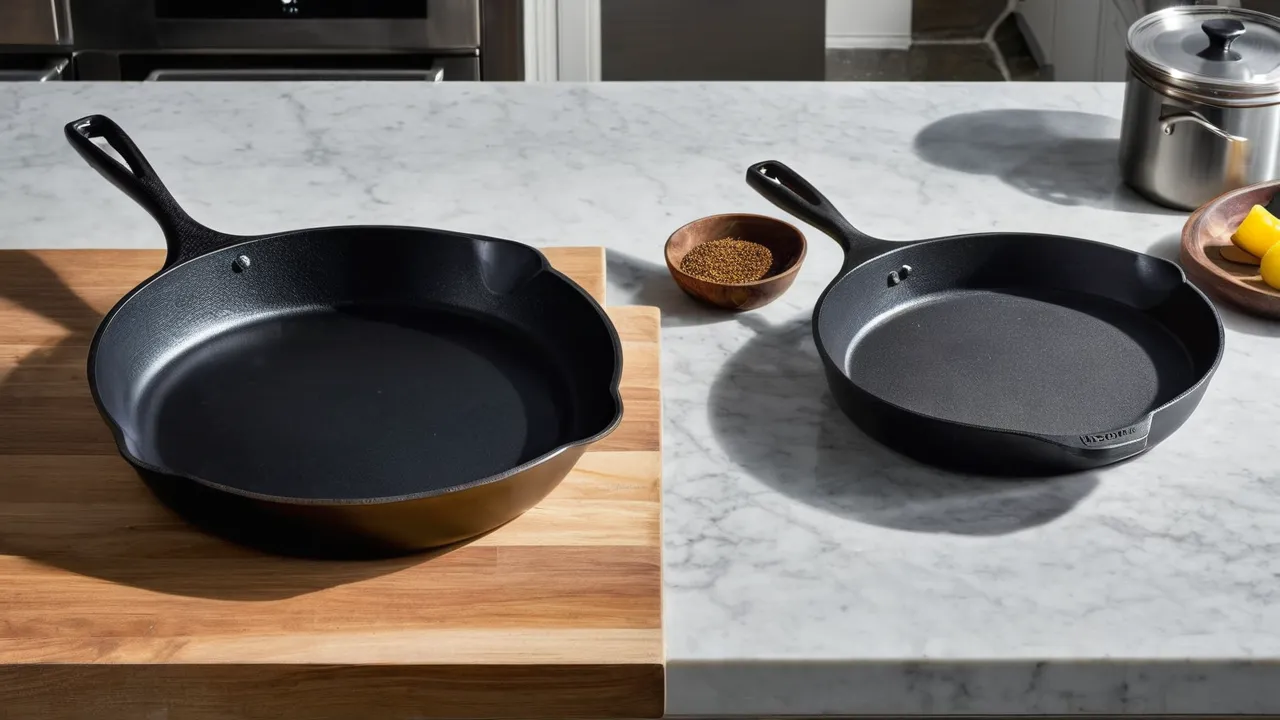
If you can buy only one skillet first, choose stainless steel if you cook acidic foods, sauces and a wide mix of dishes and want low-maintenance care, and choose cast iron if you mostly sear, fry and bake and enjoy a heavy pan that lasts for generations. Cast iron holds heat and builds a seasoned surface, while stainless steel heats more evenly, resists acids and needs no seasoning.
How Each Pan Behaves on the Burner
Cast iron is a thick slab of metal. It heats slowly and unevenly at first, then holds heat for a long time. Once it is hot, adding cold food does not drop the temperature much, which is why it excels at searing and frying. It also stays hot after you turn off the burner.
Stainless steel is usually a layered pan with an aluminum or copper core between stainless layers. It heats faster and spreads heat more evenly across the base, and it cools faster when you lower the flame. It is more responsive, which helps with sauces and delicate foods. A thin, single-layer stainless pan, though, heats unevenly and has hot spots, so look for a clad construction. Our cast iron cookware and stainless steel cookware pages cover both in detail.
The surfaces differ too. Cast iron relies on seasoning to release food, and a well-seasoned pan is slick but not truly nonstick. Stainless has no coating and releases food when the pan is properly preheated and enough fat is used. Beginners often find stainless sticky at first and cast iron bumpy.
Tasks Where Cast Iron Is the Better First Pan
- Searing steaks, chops and burgers, where steady, high heat builds a crust.
- Frying chicken, since the pan holds oil temperature.
- Baking cornbread, skillet cookies and dutch babies, going from stove to oven.
- Cooking at a campfire or on a grill, where the pan can take rough use.
- Serving at the table, since the pan stays warm.
If these are your regular dishes, cast iron makes the most of its strengths. It is also forgiving of high heat and abuse, and an old pan is easy to restore.
Tasks Where Stainless Steel Is the Better First Pan
- Pan sauces and deglazing, since stainless lets browned bits form without reacting to wine or acid.
- Cooking tomatoes, citrus and vinegar-based dishes, which can strip seasoning and taste metallic in cast iron.
- Quick sautés and everyday vegetables, where responsiveness matters.
- Cooking for people who do not want to season or oil a pan.
- Dishes that need quick temperature changes.
If your cooking is varied and includes acidic sauces, stainless steel is the safer first pan. It is also easier to clean in a dishwasher if the maker allows it, though hand washing keeps it looking better.
Upkeep, Rust and the Real Long-Term Cost
Cast iron needs seasoning care. Wash, dry, heat briefly and oil, and avoid soaking and the dishwasher. If it rusts, you scrub and reseason. The pan can last for generations, so the cost per year is low if you care for it. A rough, cheap skillet can be as good as an expensive one if the surface is smooth enough for your use.
Stainless steel needs less routine care but is not maintenance free. Stuck-on food, heat tint and discoloration can occur, and cleaning stainless takes scrubbing or soaking. It does not rust easily, though salt can pit it. Good clad pans last for decades, and the price varies a lot by brand and construction. Warranty terms differ, so check what is covered.
Over a long period, both can be cost-effective, because both last far longer than coated nonstick. A single well-chosen pan of either type can serve for many years. The cheaper mistake is buying a thin stainless pan that warps or a rough cast iron pan you never use, so match the pan to your habits and not just the price.
A Worked Example
A cook who likes steak and roasted chicken thighs buys a cast iron skillet. The pan sears well and goes into the oven for finishing. After a few weeks the cook makes a tomato sauce in it and finds the pan dull and the sauce tastes slightly metallic. The cook moves sauces to a saucepan and keeps the skillet for searing and baking. Another cook, who makes pan sauces and sautéed vegetables, buys a clad stainless skillet, learns to preheat and add oil and uses it nightly without worry. For this cook, the stainless pan was the right first purchase, and a cast iron skillet is a nice second pan for searing.
The Learning Curve and Common Regrets
Each pan has a learning curve, and knowing it in advance prevents most disappointment. With stainless steel, the lesson is preheating. Heat the dry pan over medium heat for a minute or two, add the oil and let it shimmer, then add the food and leave it alone until it releases. Food that is moved too early, or put into a cold pan, sticks. Once you learn the rhythm, stainless is reliable, and the browned bits it leaves behind are the base for a pan sauce.
With cast iron, the lesson is patience and care. Preheat slowly, since the pan is thick and heats unevenly on a burner that is too small. Use enough fat while the seasoning is young, avoid long acidic simmers, and wash, dry and oil after each use. The surface improves with use, and a pan that was a little sticky in the first month often becomes slick after a season of regular cooking.
Common regrets for cast iron owners include buying a size too large to lift, putting the pan in the dishwasher and finding rust and using it on a glass top without checking the manual. Common regrets for stainless owners include buying a thin, cheap pan that warps and sticks, overheating the pan and getting a rainbow tint, and assuming stainless is nonstick. Neither list is long, and both can be avoided.
A Simple Way to Decide
Write down the five dishes you cook most often. Next to each, write which pan you would reach for. If cast iron wins three or more, buy it. If stainless wins three or more, buy that. If it is a tie, think about the care you will actually give: choose stainless if you want to wash and forget, and cast iron if you do not mind a short routine. If you are still unsure, choose the pan that is easier to lift, because a pan you use is better than a pan in the cabinet.
Also consider the household. If others use your pans, a pan with simple care rules is more likely to survive. Stainless steel is forgiving of a stray scrub or a short soak, and cast iron is not. If you share a kitchen with people who put pans in the dishwasher, stainless is the safer pick.
Weight, Ergonomics and Cooktop Fit
Cast iron is heavy, and lifting a full pan with one hand can be tiring, so consider the handle and check whether there is a helper handle. A lighter stainless pan is easier to handle but may need more attention to heat control. If you have wrist problems, a smaller or lighter pan is wiser.
Both work on gas, electric and induction if the base is magnetic, which most cast iron and induction-ready stainless are. On a glass top, check the manual, prefer a smooth, flat base and lift, never slide. Handles matter: cast iron handles get hot in the oven and need a mitt, while stainless handles stay cooler on the stovetop but also heat up in the oven. Check the oven safe temperature for the pan and the lid.
Decision Rules by Cook
- Cooks who sear often and like a heavy pan: cast iron.
- Cooks who make acidic sauces and varied dishes: stainless steel.
- Cooks who dislike oiling and seasoning routines: stainless steel.
- Cooks who want one pan for oven, stove and campfire: cast iron.
- Cooks with limited grip strength: stainless steel or a smaller cast iron pan.
- New cooks on a budget: a clad stainless pan or a basic cast iron skillet, whichever fits your most common recipes.
- Cooks who can buy two: one of each, since they complement each other.
For more on how we judge such guidance, read how we review, and browse the cookware and kitchen tools hub for related guides.
Frequently Asked Questions
Should I buy a cast iron or stainless steel skillet first?
Choose stainless if you cook acidic sauces, vegetables and varied dishes, and cast iron if you mostly sear, fry and bake. If you will not maintain seasoning, stainless is the better first pan. Many cooks eventually own both.
Is cast iron or stainless steel better for searing?
Cast iron holds heat and sears well, with a deep crust. A thick, well-preheated stainless pan can also sear very well, and it is more responsive. Choose by how you like the pan to feel, and preheat either pan fully.
Can I cook tomato sauce in cast iron?
Briefly, yes, in a well-seasoned pan, but long simmering can strip seasoning and give a metallic taste. Use stainless steel or enameled pots for long acidic simmers, and re-oil cast iron after contact with acids.
Which skillet lasts longer, cast iron or stainless steel?
Both can last decades. Cast iron can last generations if kept dry and seasoned, and good clad stainless can also last a very long time. Cheap thin stainless may warp, and neglected cast iron can rust, so quality and care matter more than material.
Final Thoughts
Pick cast iron for heavy searing, frying and oven cooking, and stainless steel for acidic sauces, quick sautés and low upkeep. Match the pan to your most common dishes and your willingness to season, and add the other type when your cooking calls for it.
Related buying guides
- How Long Does Cast Iron Last, and What Ends It
- How to Restore Rusty Cast Iron Step by Step
- How to Season Cast Iron: Oils, Temps, and Frequency
About the author

The BuyOnceChoice Editorial Team researches durable products worth buying once. Our guides compare published specifications, warranty terms, expert review consensus, and verified owner feedback. We do not conduct our own product trials. See How We Review and our Editorial Policy for our standards.