How Long Does Cast Iron Last, and What Ends It
A cast iron pan can outlive its owner, yet some damage cannot be repaired. Learn the real failure modes and how to avoid them with simple habits.
 By BuyOnceChoice Editorial Team
Updated November 16, 2026
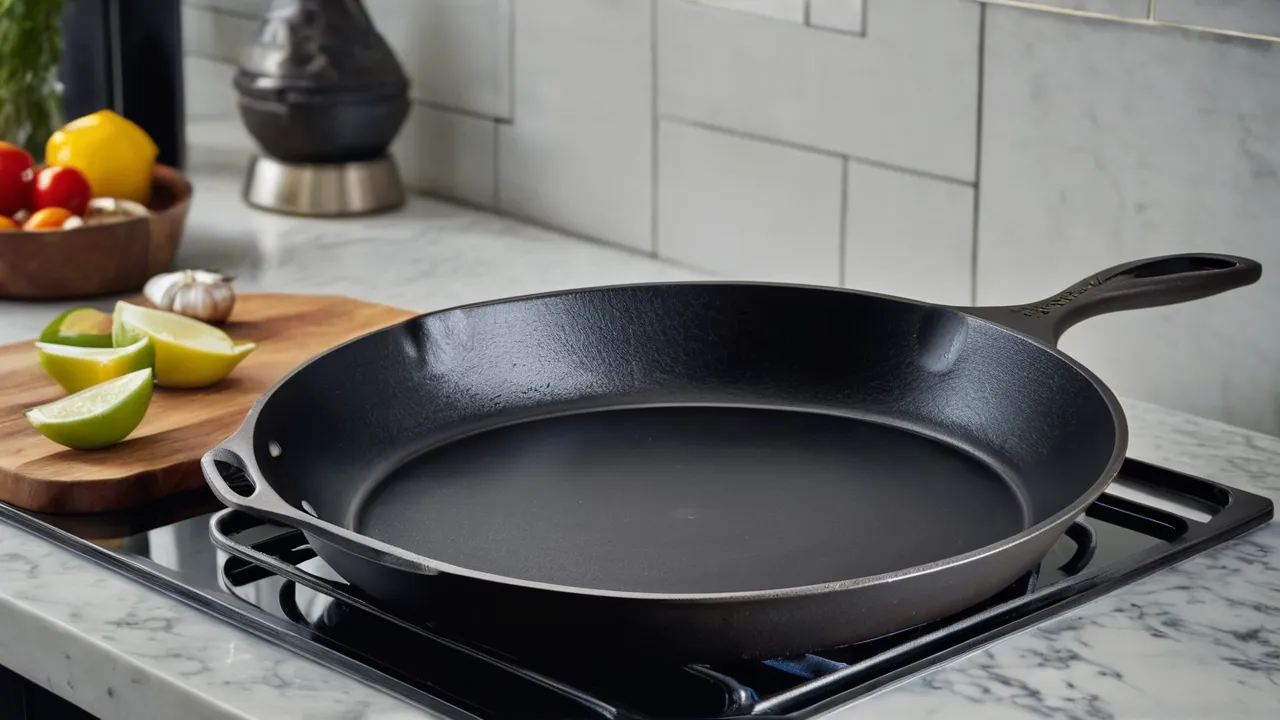
How long does cast iron last? Properly cared-for cast iron cookware can last for generations, since the metal does not wear out like a coated pan, and many pieces in use today are decades old. What ends a pan is not age but damage: cracks, warping, deep pitting, or neglect that is not repaired. Nearly everything else, including rust and a ruined finish, can be fixed.
Why Cast Iron Can Outlast Almost Any Pan
Cast iron is a thick, single-material casting. There is no coating to flake, no bonded layer to separate, and no electronics to fail. The cooking surface is polymerized oil, called seasoning, which can be stripped and rebuilt as many times as needed. That is why a neglected skillet found at a yard sale can be restored and used again.
The weight that makes cast iron awkward is also what protects it. A thick wall holds heat evenly and resists denting. The metal can be scrubbed, scraped, heated in an oven, and re-seasoned without losing performance. Compare that with nonstick pans, where the coating is the working surface and wears away, or with many thin pans that warp with heat.
Enameled cast iron is different on the outside. The iron core is just as durable, but the glassy enamel coating can chip or craze, and that sets the life of the piece. We cover that distinction below.
What Actually Ends a Cast Iron Pan
Only a few conditions finish a piece for good, and most are avoidable.
- Cracks: a crack through the body, usually from thermal shock, is the main cause of retirement. Do not cook on a cracked piece, since it can fail under heat or when lifted.
- Warping: a pan that rocks on a flat surface may cook unevenly and be unsafe on glass tops. Mild warping can sometimes be tolerated on a gas flame, but a severe warp is a reason to replace.
- Deep pitting: surface rust left for long periods can eat pits into the metal. Light pitting can be sanded and re-seasoned, but deep pits that hold rust may not be worth keeping.
- A broken handle or loose rivet on assembled designs, which is a safety problem rather than a cooking one.
- Heavy corrosion that has thinned the wall, which is rare.
Thermal shock is the cause most owners can control. Pouring cold water into a very hot pan, or setting a hot pan on a wet surface, can crack the iron. Let the pan cool before washing and heat it gradually.
What Does Not End It
Many problems look serious and are not.
- Rust: surface rust comes off with scrubbing and re-seasoning. Our maintenance guides cover the steps.
- Sticky or flaky seasoning: strip it down and rebuild with thin coats.
- Burnt-on food: scrape, boil water in the pan, and scrub.
- Dullness or a gray color: re-oil and heat gently.
- Odors from stored oil: wash and re-season.
If you are unsure, assume the pan is salvageable unless it is cracked, severely warped, or deeply pitted. Salvaging old cast iron costs time rather than money, and the result often cooks better than a new pan.
How Seasoning Fits Into the Picture
Seasoning is not the pan. It is a thin layer of polymerized oil, and it is replaceable. A pan with patchy, gray, or sticky seasoning is not near the end of its life, it just needs another round of oil and heat. Seasoning improves with use, especially with frequent cooking of fatty foods, and it recovers quickly after minor damage such as a scrubbed spot or a brief soak. This is the main reason owners can treat cast iron as a long-term tool instead of a consumable.
If a coating has flaked, burnt on, or turned tacky, strip it back to bare metal and start again. A pan stripped and re-seasoned properly can look and perform like new, though the surface texture of the casting remains the same. Rough or pitted texture is part of the metal and does not heal, which is why deep pits, as opposed to a worn coating, can end a pan’s useful life.
Safety Points for Old or Damaged Pieces
Handle old pieces with sense. Check handles and lugs for cracks before lifting a heavy loaded pan, because a broken handle can drop a hot pan. Wear oven mitts rated for the temperatures you use, since the handle gets as hot as the pan. Avoid using a warped pan on a glass or ceramic cooktop, where it can rock and scratch the surface. If you buy vintage or secondhand cast iron, inspect it carefully and clean it fully before cooking. Skip pieces with deep rust pits, unknown residues, or cracks.
Cost of Care Versus Cost of Replacement
Keeping a cast iron pan alive costs only a little oil, a brush, and a few minutes after each use. A coated pan, by contrast, becomes a consumable that may need replacing every few years. That difference is why many cooks keep one or two cast iron pieces as long-term tools and add other materials for tasks that suit them better.
Enameled Cast Iron Is Its Own Case
Enameled pieces, such as many Dutch ovens, are cast iron with a glass coating. The iron stays sound, but the enamel is the surface in contact with food. Chips in the cooking surface can expose raw iron and can grow. Hairline crazing on the outside may be cosmetic, but the maker’s guidance matters. Check the manual and warranty for what is covered, since chipped enamel and thermal shock are commonly treated as damage.
To extend the life of enamel, avoid metal utensils that scratch, avoid heating the pan empty, and let it cool before washing. Staining and dulling can usually be cleaned with a baking soda paste and gentle scrubbing, as the maker advises. A piece with a broad chipped cooking surface is generally past its best.
How to Keep Cast Iron Going
Habits that protect cast iron are simple.
- Dry the pan fully after washing, ideally on a warm burner for a minute, and apply a thin film of oil.
- Do not soak the pan or leave it in the sink.
- Avoid the dishwasher, which strips seasoning and promotes rust.
- Heat gradually and avoid sudden temperature changes.
- Cook fatty foods regularly to build seasoning, and limit long simmers of acidic foods like tomato sauce in a bare pan.
- Store in a dry place with a paper towel between stacked pieces to absorb moisture.
- Inspect the pan from time to time for cracks, especially near the handle and base.
Common Habits That Shorten a Pan’s Life
- Cold shock: running cold water into a hot pan can crack the iron.
- Long soaks: even an hour of standing water can start rust.
- Dishwashing: detergent and heat strip seasoning and leave moisture in pores.
- Storing damp: a pan put away wet can show rust within a day or two.
- Overheating empty: heating an empty pan on a high burner for a long time can warp it or damage the seasoning.
- Metal tools scraping hard: they scratch seasoning but rarely hurt the iron itself, so this affects performance more than life.
Avoid the first four and the pan will probably outlive you.
A Quick Condition Check Before You Keep or Buy a Piece
Set the pan on a flat counter and press the rim at opposite points. If it rocks, it is warped. Run a fingertip along the rim and underside for hairline cracks, and shine a flashlight across the cooking surface to spot pits. Look at the handle where it joins the body, which is where stress concentrates. A piece that passes these four checks is almost certainly a keeper, whatever its age or appearance.
Should You Buy New, Vintage, or Switch Materials?
If you want a first piece, a modern pre-seasoned skillet is a durable choice, and our cast iron cookware guides cover what to look for. If you want a lighter pan or one that suits acidic cooking, look at stainless steel cookware, which also lasts for many years. Browse the wider cookware and kitchen tools section to compare materials. Our How We Review page explains how we compare products using published specifications and research.
Replace a piece only for a real failure. A pan that is cracked, severely warped, or pitted so deeply that it cannot be cleaned should retire. Otherwise, repair it.
Frequently Asked Questions
Does cast iron ever wear out?
Not in the way a coated pan does. The metal can last for generations, and the seasoning can be rebuilt. A pan wears out only from physical damage such as a crack, a severe warp, or deep pitting from long neglect.
Can a cracked cast iron pan be repaired?
Treat a cracked pan as retired. Cracks in cast iron can spread under heat, and the pan may break while hot. A cosmetic hairline mark on the outside of enameled ware is different, but if the crack goes through the body, stop using it.
Is rusty cast iron ruined?
No. Surface rust can be scrubbed off and the pan re-seasoned. Only deep pitting that holds rust and cannot be cleaned is a reason to discard the pan. Wash, scrub, dry fully, and re-season with thin coats of oil.
How can I tell if an old pan is worth restoring?
Check that it sits flat, has no cracks when you look at the rim and base, and has no deep rust pits. Surface rust and heavy crust are fine. If it passes those checks, restoring it costs only time and oil.
Final Thoughts: Repair Before You Replace
Cast iron lasts because almost every problem can be fixed. Protect it from cracks and long-term moisture, rebuild the seasoning when needed, and retire a piece only for a crack, a severe warp, or deep pitting.
Related buying guides
- How to Restore Rusty Cast Iron Step by Step
- How to Season Cast Iron: Oils, Temps, and Frequency
- Smooth vs Rough Cast Iron Surface: What Changes
About the author

The BuyOnceChoice Editorial Team researches durable products worth buying once. Our guides compare published specifications, warranty terms, expert review consensus, and verified owner feedback. We do not conduct our own product trials. See How We Review and our Editorial Policy for our standards.