Waterproof Work Boots: Membrane vs Leather Treatment
Waterproofing can come from a liner, sealed seams or treated leather. Each has trade-offs in breathability and lifespan, and each fails in its own way.
 By BuyOnceChoice Editorial Team
Updated November 16, 2026
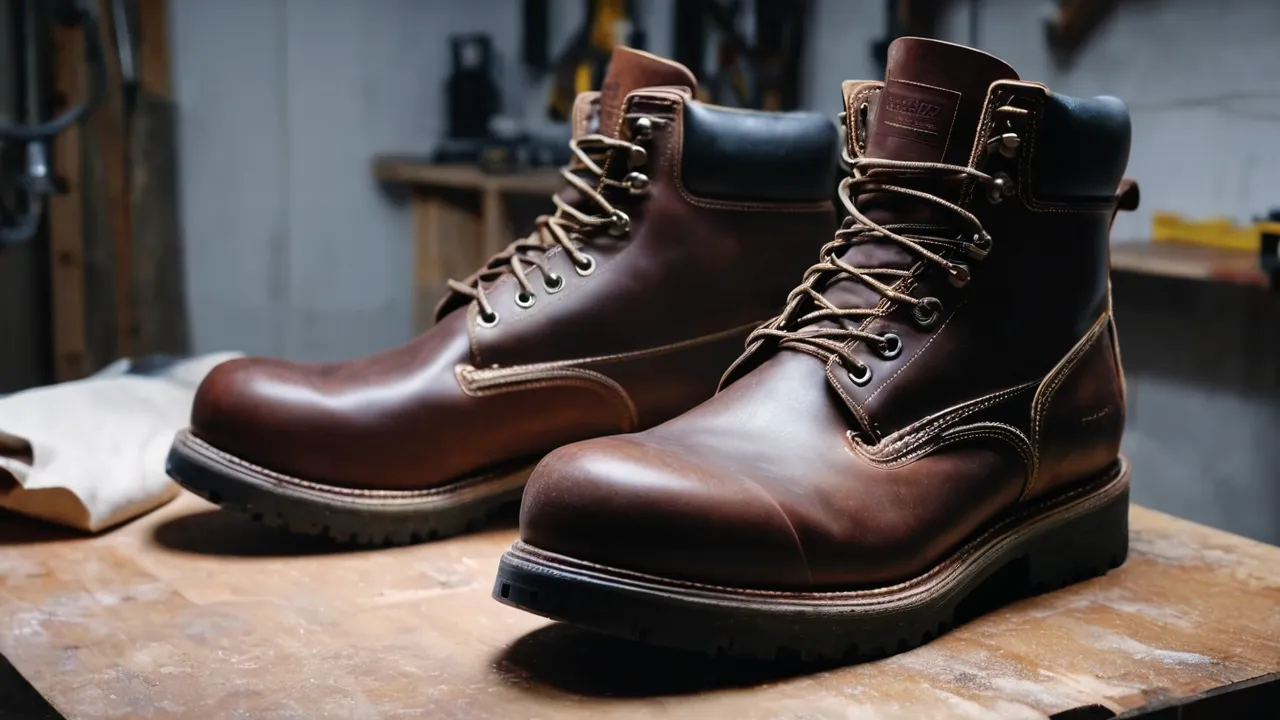
Waterproof work boots keep water out through a membrane liner, sealed seams, treated leather or a combination, and each approach trades off breathability, lifespan and repair. A membrane is the most reliable against steady wetness but can trap sweat, while wax treated leather breathes well but needs regular care. Choose by how wet your work is, how hot your feet get and how willing you are to maintain the boots.
Where water gets in
Water enters a boot through the upper, the seams, the tongue opening and the sole joint. Leather absorbs water if untreated. Stitching creates holes. The tongue opening lets water in unless it is gusseted, and the sole joint can leak if the glue fails or the stitching wicks. A waterproof system has to handle each of these paths, which is why a single claim on a label tells little.
Waterproof is also not the same as water resistant. Water resistant boots shed light rain and splashes but let water in when submerged or soaked for a long time. Waterproof boots are built to keep water out under prolonged exposure, up to the height of the shaft and the tongue. No boot is waterproof above its top edge, so shaft height and gaiters matter.
Membrane liners
A membrane is a thin layer, often a microporous film, sandwiched between the outer material and the lining. It blocks liquid water while allowing some water vapor to pass. Many well known membranes exist, and they vary in quality and in how they are built. The membrane lines the entire boot, including under the tongue, so water has no direct path.
Membranes tend to be reliable in steady wet conditions, but they can reduce breathability, especially in warm weather. Sweat can stay inside, leaving the foot damp. They can also fail if the lining is punctured, folded repeatedly or worn through. Once a membrane fails, it is not repairable, and the boot loses waterproofing even if the leather looks fine.
Sealed seams and gusseted tongues
Even a membrane needs help at the seams. Manufacturers use seam sealing tape or bonded construction to close the needle holes, and they use gusseted tongues that attach to the sides of the boot to keep water out of the lacing area. Look for a statement of seam sealing on the product page. A boot with a sealed bootie construction, where a waterproof sock is built inside, can be more reliable than one with a membrane only in some panels.
Seam sealing can degrade with age and flex. The weak points are the flex zone at the ball of the foot and the ankle crease. Replace or retire boots when they begin to leak in those areas.
Wax treated and oiled leather
Traditional waterproofing relies on thick leather treated with oils, waxes or greases. The treatment fills the pores and makes the surface shed water. Treated leather breathes better than a membrane, so feet stay drier in warm conditions. It also can be re treated, which extends the life of the boot.
The trade-off is maintenance. The treatment wears off with use, so you need to clean the boots and apply fresh wax or oil regularly. Heavily treated leather also becomes softer and can darken. Our guide to leather conditioner versus oil versus wax explains how these products work.
Care that keeps waterproofing working
- Clean mud and grit that can scratch the membrane lining and wear seams.
- Use care products suited to the boot, since some oils and waxes can clog a membrane or change its breathability.
- Re-treat leather uppers when water stops beading on the surface.
- Dry at room temperature, never on a heater.
- Inspect seams and the flex zone for cracks or leaks.
- Store the boots in a dry place with the laces loosened.
Check the manual for approved products. A maker may recommend a specific type of treatment for its leather and liner. Using something else can reduce performance or affect a warranty.
Comparison and decision rules
| Method | Strength | Weakness |
|---|---|---|
| Membrane | Reliable in steady wet, low maintenance | Reduced breathability, not repairable |
| Sealed seams plus membrane | Best against submersion up to shaft height | Seams can age and leak |
| Wax treated leather | Breathes, can be re treated | Needs regular care, less reliable in long soaking |
- Wet, cold outdoor work: membrane with sealed seams and a gusseted tongue.
- Hot, humid work: treated leather or a breathable membrane, with sock management.
- Standing water or washdown: rubber boots may be a better tool, as our rubber versus leather boots guide explains.
- Low maintenance preference: membrane.
- Willingness to maintain: treated leather.
See the clothing and footwear section for more, and how we review for how we treat waterproof claims.
Waterproof or water resistant: which do you need
Many jobs need less than full waterproofing. Light rain, wet grass and the occasional puddle can be handled by treated leather. Standing in water, working in heavy rain for hours or walking in slush all call for a membrane or a rubber boot. If you only get wet a few days a year, the added warmth and reduced breathability of a membrane may not be worth it. Be honest about your conditions before paying for a feature you will not use.
Worked examples
A utility crew digs trenches in wet clay and works through rain for hours. Water presses on the boots from outside for long periods, so a membrane boot with sealed seams and a gusseted tongue, or a rubber boot, fits. The crew accepts reduced breathability and manages sweat with socks and rotation.
A framing crew works outdoors in summer with occasional showers. Feet run hot, and rain is brief. Treated leather that breathes, with a light membrane or none, feels better than a heavy sealed boot, and the crew re-treats the leather every few weeks.
A warehouse worker moves between a loading dock and a heated floor. A few damp mornings matter more than deep puddles, so a water resistant or lightly treated boot is enough, and a heavy membrane would add heat.
A farm worker walks in wet grass and standing water around troughs. A leather boot with a membrane works for the wet grass, and rubber boots handle the troughs. Keeping both avoids soaking leather every day.
Ask how long water stays on the boot and how hot your feet get. Those two answers pick the method.
Reading the label and product page
Look for specific words. A listing that says waterproof membrane, sealed seams and gusseted tongue is describing three separate protections. A listing that says water resistant leather is describing a treated surface with no promise of keeping water out under real soaking. A listing that says waterproof with no detail is incomplete, and a short email to the seller can fill the gap. Ask how high the waterproof construction goes, whether the tongue is gusseted to the top and whether the sole joint is stitched and sealed or only cemented.
Sweat, socks and the feel of dry
A boot that keeps water out can still feel wet from the inside. Sweat has to go somewhere, and a membrane lets only part of it escape. Moisture wicking socks, such as merino wool or synthetic blends, pull sweat from the skin and help the foot stay warmer and drier. Cotton holds moisture and cools the foot in the cold. In hot weather, a lighter boot with fewer layers may feel drier than a fully waterproof boot, even if some water gets in during rain.
Rotating pairs helps, because a boot that has had a full day to dry feels better than a damp one. Remove insoles at night and let air circulate through the boot at room temperature.
When a waterproof boot stops being waterproof
A boot starts to leak at the flex crease, at a worn seam or at the sole joint. A damp sock, a cold wet foot or water at the toe after a puddle are signs. If the membrane has failed, re-treating the leather will not bring waterproofing back, and a cobbler cannot fix it. If the leather is the problem, a good cleaning and treatment may restore performance. Consider retirement for wet work boots when leaks appear, and keep them as dry weather pairs if the rest of the boot is sound.
Frequently Asked Questions
Are membrane work boots better than wax treated leather?
For steady wetness, membranes are more reliable and need less care, but they breathe less and cannot be repaired once damaged. Wax treated leather breathes better and can be re treated, but needs regular care and is less dependable in long soaking.
How do I know if my waterproof work boots are failing?
Damp socks after short exposure, water at the toe after a puddle and wet spots on the lining near seams are signs. If the membrane has failed, retreating the leather will not restore waterproofing. Dry the boots, find where they leak, and decide whether a repair is worthwhile or the boots should be replaced.
Can I use boot wax on membrane work boots?
Check the manual first. Some oils and waxes can clog a membrane or change its breathability. Use products the maker approves, apply thin coats to the leather outer only, and avoid heavy treatments on fabric panels, which can clog them and reduce breathability.
Do waterproof work boots make feet sweat?
They can, because a membrane lets only part of the moisture escape. Moisture wicking socks, a spare pair, rotating two pairs of boots and drying insoles overnight all help. In hot weather, a lighter treated leather boot may feel drier, even if a little rain gets in.
Final Thoughts
Membranes are the safer choice for steady wetness, treated leather is the better choice for breathability and repair, and many boots combine the two. Check seam sealing, tongue design and shaft height, and plan to maintain the boots. The best waterproofing is the one that matches your conditions and your habits.
Related buying guides
- Wedge vs Heeled Work Boots: Sole Shape and Your Back
- Goodyear Welt vs Blake Stitch vs Stitchdown Boots
- When to Resole Work Boots and When to Replace Them
About the author

The BuyOnceChoice Editorial Team researches durable products worth buying once. Our guides compare published specifications, warranty terms, expert review consensus, and verified owner feedback. We do not conduct our own product trials. See How We Review and our Editorial Policy for our standards.