Cheap Luggage Sets: What You Give Up and When It Works
A low sticker price can hide thin shells, weak wheels and short lifespans. Learn where budget sets cut corners and when replacement costs erase the savings.
 By BuyOnceChoice Editorial Team
Updated November 16, 2026
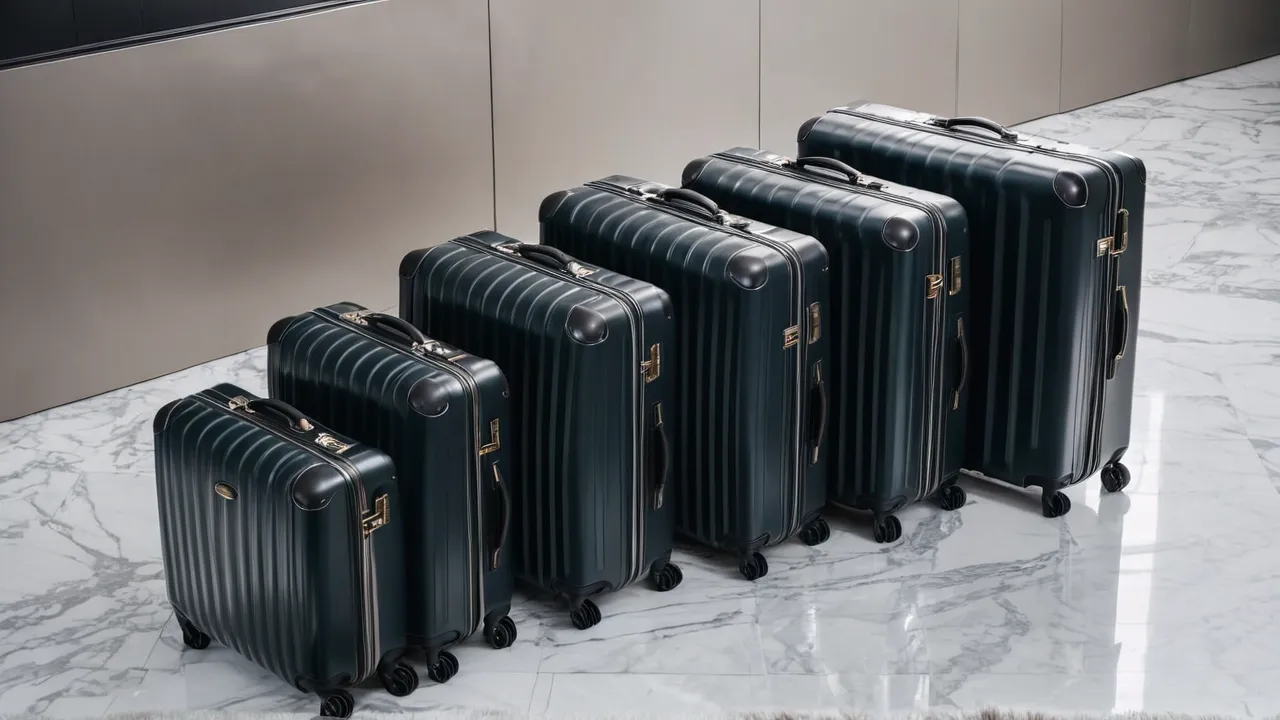
Cheap luggage sets are multi-piece bag bundles priced low by cutting the parts that cost money, so they trade durability for a lower upfront cost. They typically use thinner shells, lighter zippers, simpler wheels and handles, and minimal warranty support. They suit occasional travelers and short trips, but frequent flyers often spend more over time replacing them than they would on one well-built bag. This guide covers what gets cut, how to work out the real cost per trip, six buying mistakes with the fix for each, and who should skip a budget set.
What budget sets usually cut
Manufacturers reach a low price by reducing the parts that are hard to judge in a photo. The set may look similar to a better one, since colors and textures are cheap to copy. The differences appear after a few trips.
Common cuts include:
- Shell thickness, which affects how the bag handles impact.
- Wheel quality, with plastic wheels on simple axles instead of sealed bearings.
- Handle tubes with thin walls that wobble and bend.
- Lighter zippers with small sliders.
- Fewer or thinner reinforcements at corners and stress points.
- Lining that tears or pills.
- Limited or no repair support and no replacement parts.
Each cut is understandable alone. The combination decides how long a bag survives.
The real cost over time
The relevant number is cost per trip over the years you own the set, not the sticker price. A set that survives five trips costs more per trip than a set that survives fifty, even if it was far cheaper to buy.
Here is a simple method. Estimate how many trips you take in a year and how many years you want the bag to last, then multiply. If the result is large, durability matters more. If it is small, a low price is easier to justify.
A worked comparison with ratios shows the effect. Suppose a budget set costs half as much as a sturdier one but fails after one fifth as many trips. Its cost per trip is two and a half times higher. If instead it lasts half as many trips, the cost per trip is about the same, and the budget set is a fair deal. Your own trip count tells you which case you are in.
Also add the hidden costs of replacement: the time spent shopping, the risk of failure mid-trip, and the cost of a bag bought urgently at the airport. Replacement is also a question of availability. A bag with replaceable parts and a clear warranty can last through a wheel failure, while a bag that cannot be repaired becomes waste when one component breaks.
Six mistakes to avoid when buying a cheap set
Mistake 1: Buying three pieces when you will use one
A typical set has a carry-on, a medium case, and a large case. Many travelers use only one or two. If you buy a set and use one piece, you are paying for bags that sit in a closet. The fix is to count the trips where you would really carry all three pieces. If the answer is rarely, buy a two-piece set or a single case. Sets do make sense for families and couples who want matching, nesting cases, and the luggage set category and the best travel luggage set roundup describe how to judge sets on quality instead of piece count.
Mistake 2: Judging the set by its looks
Color, texture, and a matching logo cost little to copy. Judge instead by what the maker says about wheels, handles, and zippers. Look for sealed bearings, a handle that locks at each stop, and zipper sliders that feel substantial. If the listing says nothing about these parts, treat that silence as information.
Mistake 3: Trusting an expandable design on a tight budget
An expansion zipper adds a second long seam that has to hold under load, which adds one more failure point. It also makes it easy to overpack. The fix is to choose a fixed-depth case and use a separate soft duffel for extra capacity.
Mistake 4: Assuming the warranty will cover wear
Many budget brands offer short or limited coverage, with exclusions for airline damage, wheels, and zippers. Read the fine print before relying on it. Ask what counts as a defect versus wear, whether repair parts are sold, and who pays shipping. A warranty that excludes the parts most likely to break is worth little.
Mistake 5: Ignoring construction simplicity
Fewer moving parts means fewer failures. A simple softside design with a plain handle and standard wheels is often a safer budget buy than a flashy hard shell with spinner wheels, an integrated scale, and a built-in charger. The softside luggage roundup shows what simple designs look like.
Mistake 6: Skipping the arrival inspection
A defect visible on day one almost never improves with use, and an early return costs far less than a mid-trip failure. Treat the first day as an inspection window. The section below lists what to check.
Where cheap sets make sense and where they fall short
Budget sets can be a sensible choice in specific cases:
- One-time or very occasional trips where the bags will be used a handful of times.
- Short trips where the bag stays in your control, such as a road trip in a car.
- Temporary needs, such as a move or a stay abroad when you plan to buy better gear later.
- Kids and students who will outgrow or lose luggage quickly.
- Backup bags kept for guests.
In these cases the risk of failure matters less because the use is light. Check the return policy and keep receipts anyway.
Frequent flyers, business travelers, and anyone who checks bags regularly will push a cheap set past its limits. Airport handling is rough, and thin shells and light wheels fail first. If you carry heavy items or fragile gear, the lack of structure becomes a risk. A set that fails mid-trip can cost far more than the savings, in stress and replacement.
A quiet cost of cheap sets is reuse. A better bag keeps some value and can be passed to a family member, while a worn budget set rarely finds a second owner. A bag that fails after a few trips also ends up in a landfill sooner, and a durable bag spreads that footprint across many years.
What to do the day the set arrives
A budget set deserves a quick inspection before you remove the tags. Unpack each piece and look at the shell for cracks, thin spots, and uneven seams. Spin every wheel, tilt the bag, and roll it, listening for rattles and watching for wobble. Extend the handle fully, press down on it, and check that it locks at each stop without rocking. Work each zipper end to end, twice, and look for puckering fabric along the track.
Load the largest case with about the weight you plan to carry, using books or towels, and roll it around the house and down a few steps. A case that flexes, squeaks, or tips over when loaded will be worse in the real world. If anything is off, return the set within the window. For ideas on what is weighed when judging durability, see the how we review page.
Smarter alternatives, and who should skip
If you want to spend less without gambling on a set, consider alternatives. Buy a single carry-on in a sturdier build and use a soft duffel for extra capacity. Buy a mid-range two-piece set instead of a three-piece budget one, since you are more likely to use both pieces. Look for sturdy secondhand bags with replaceable parts, and inspect wheels and zippers before paying.
Choose a cheap set if travel is rare, trips are short, and you accept replacement as part of the plan. Skip one if you fly often, check heavy bags, or want something that will last a decade. A better move for many is to buy one solid carry-on and add pieces over time. A budget set is not a failure of judgment; it is a tool matched to a light job. The mistake is expecting it to behave like a premium bag.
Frequently Asked Questions
Are cheap luggage sets worth buying?
They are worth it for light use, such as a few short trips a year or a temporary need. For frequent flyers, they often cost more over time because shells, wheels, and zippers fail sooner. Estimate your trips per year and the years you want the bags to last, then compare cost per trip.
How long do cheap luggage sets last?
There is no reliable figure, because it depends on the build, the weight you pack, and how airlines handle the bags. Light, occasional use can last for years, while heavy checked use may expose weak wheels or zippers within a few trips. Inspect the set on arrival and check the warranty terms.
What breaks first on a cheap luggage set?
Wheels, handle assemblies, and zippers are the usual first failures, since they carry the most stress and are the parts most often cut for cost. Thin shells can also crack under impact. Choose simple designs and ask whether the maker sells replacement parts, because a repairable bag outlasts a sealed one.
Is it better to buy one good bag than a cheap set?
If you use only one size regularly, yes. One sturdy carry-on usually serves better than three weak pieces you rarely carry. If you need several sizes for a family or a long trip, a mid-range two-piece set can be a middle path. Match the purchase to how many pieces you really use.
Final Thoughts
Low price is a real benefit when use is light and a hidden cost when use is heavy. Think in cost per trip, check the wheels, handles, and zippers, and make sure a warranty exists before you buy. A cheap set is a fine short-term tool, but for frequent travel a better bag usually pays for itself.
Related buying guides
- Checked Luggage Size Guide: 24, 26, or 28 Inch
- Coil vs Chain Zippers on Luggage: What Fails First
- Luggage for College Students: What Holds Up for Four Years
About the author

The BuyOnceChoice Editorial Team researches durable products worth buying once. Our guides compare published specifications, warranty terms, expert review consensus, and verified owner feedback. We do not conduct our own product trials. See How We Review and our Editorial Policy for our standards.