Coil vs Chain Zippers on Luggage: What Fails First
Not every zipper failure is the zipper's fault. See how coil and chain designs wear, which problems are fixable at home and which ones end a bag's life.
 By BuyOnceChoice Editorial Team
Updated November 16, 2026
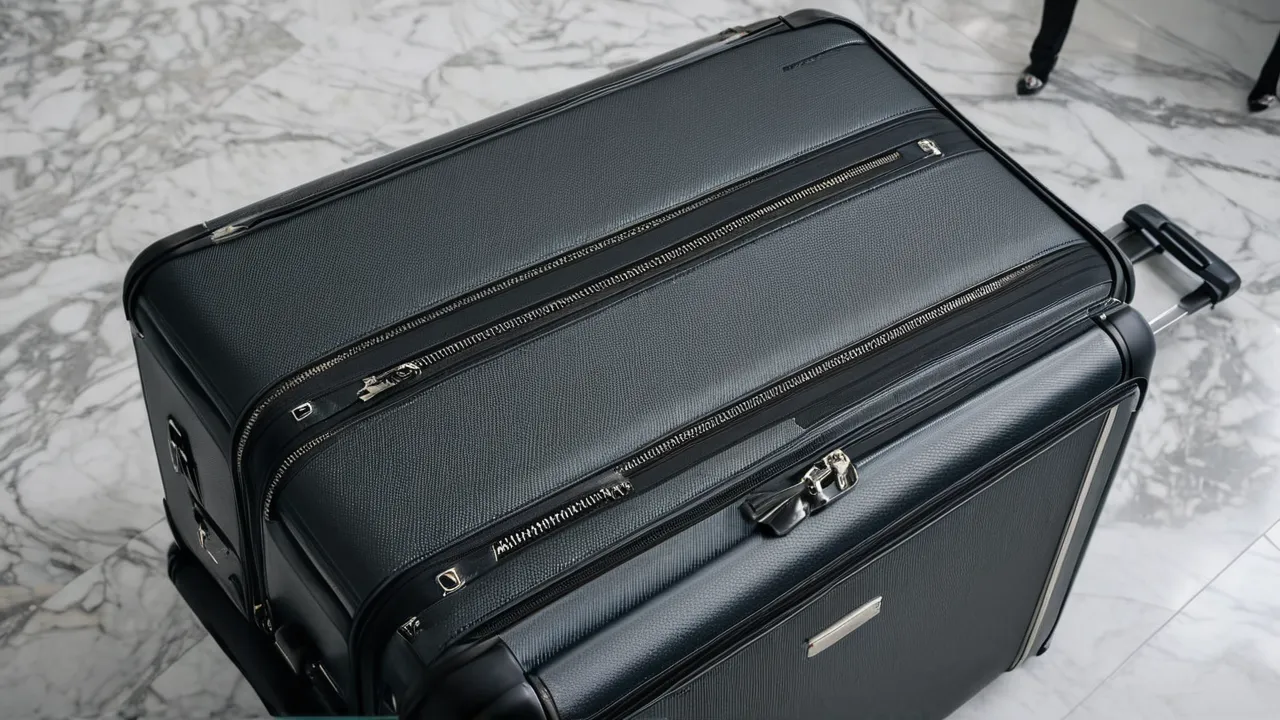
Coil vs chain zipper on luggage is a comparison between a continuous nylon or polyester spiral and a row of individual molded plastic or metal teeth. Coil zippers flex around curves and tolerate small dents, while chain zippers are stiffer and often stronger under heavy strain. Most failures come from a worn slider rather than broken teeth, so the slider, the zipper size, and the way you pack matter as much as the type. This guide covers how each is built, how each fails, what you can repair yourself, and a verdict for each kind of buyer.
How each zipper is built
A coil zipper winds a thin plastic filament into a spiral and stitches it to a fabric tape. The spiral meshes with its mirror image as the slider travels. Because the coil is one flexible strand, it bends easily, which is why it suits soft duffels and curved panels.
A chain zipper, sometimes called a tooth or molded zipper, has separate teeth fixed to the tape, each shaped like a small hook. The teeth are larger and more rigid. Metal-tooth versions exist, but luggage more commonly uses molded plastic teeth because they are lighter and do not corrode. Terminology varies between sellers, and some use chain loosely for any zipper, so look for the words coil, spiral, molded, or tooth in the listing.
Both types depend on a slider, the small metal or plastic body that pulls the two sides together. The slider has a narrow channel. As it wears, the channel loosens and the teeth no longer interlock cleanly.
Where each type tends to fail
Real-world failures follow patterns, and the two designs fail differently.
Coil zippers
- Slider wear lets the coil separate behind the pull, so the zipper opens as you roll the bag.
- Overstuffing pushes the two sides apart and the coil pops out of alignment, often at a curve.
- Coil tolerates grit well, but a stiff, dirty coil can make the slider bind.
- Because the spiral is one strand, a damaged spot can unravel a short stretch.
Chain zippers
- A bent or missing tooth leaves a gap that the slider cannot close.
- Teeth can crack at the bag’s corners when the zipper is under repeated strain.
- Heavy packing makes the slider ride up and spread the teeth.
- A single broken tooth is hard to replace, so repair usually means replacing the whole run.
In both designs, the most common first symptom is a zipper that opens behind the slider. That is usually slider wear, not a damaged track.
Why slider wear and packing habits matter more than type
Even the best track fails if the shell is stuffed so full that the two sides of the zipper are pulled apart before the slider reaches them. A zipper is designed to close a seam, not to compress a bag. When you hear a slider strain, or you have to sit on the case to close it, the stress lands on the teeth and the slider body. Over several trips that strain widens the slider channel, which is the usual start of a zipper that opens behind the pull.
Practical habits help:
- Close the zipper while the bag lies flat and keep the fabric on both sides free of folds.
- Move the slider slowly around corners instead of yanking it.
- Leave a small amount of slack instead of filling the bag to the brim.
- If you regularly need more room, step up to a bigger bag rather than leaning on the expansion zipper.
Weather and storage also play a part. Salt air, sand, and dust act like fine sandpaper inside the slider, and a dry, gritty track binds. A quick wipe after a beach trip and a little lubricant at the start of each travel season keep the slider moving freely and reduce the force you put on the pull tab.
Tooth size and slider quality
Zipper size numbers, such as the common 5, 8, and 10 in standard sizing, roughly describe the width of the closed teeth in millimeters. A larger number means a wider, stronger track. Many carry-ons use a mid-size zipper, while large checked bags and expandable bags often use bigger ones to handle the load.
Check these quality signals when you shop:
- Slider body material: metal sliders generally resist wear better than thin plastic ones.
- Pull tab design: a sturdy pull gives leverage so you do not force the slider sideways.
- Named zipper makers: some bags name the zipper maker on the pull or product page. A name does not guarantee durability, but it tells you the maker did not use unmarked generic parts.
- Double sliders: two sliders on a track let you open a bag from either end and share the stress.
The expansion zipper risk
Expandable suitcases add a second zipper that opens extra depth. This is a failure point worth understanding. The expansion zipper often runs in a tight line around the shell, and stuffing the bag past its design capacity can split it. If you rarely use the extra room, a non-expandable bag skips this risk. The luggage set category includes sets with and without expansion features, so look for the ones that suit your habits.
What you can fix and what needs a shop
Some repairs are within reach for an owner, and they save bags.
- Realigning a split coil: close the slider fully, then work it back and forth slowly across the opened stretch. Sometimes the spiral reseats.
- Cleaning: brush out grit with an old toothbrush and wipe the track with a damp cloth.
- Lubricating: rub a pencil tip or a dedicated zipper lubricant along the teeth. Avoid heavy oil, which attracts dust.
- Squeezing a loose slider: a careful squeeze with pliers on the back of the slider can narrow its channel. Do it in tiny steps and check after each one, because too much force cracks the slider.
A shop is the right call for a missing tooth, torn tape, or a track that must be replaced. Many luggage repair services can fit a new zipper run, though price and timing vary, so ask first.
Be careful with claims about self-repair. Sources disagree. Some owners report that a split coil zipper can be re-closed by working the slider back along the track, which is a real advantage of coil. A self-repairing label does not mean a worn slider fixes itself, and a chain zipper with a bent or missing tooth generally does not recover without replacement. Treat the claim as a plus, not a guarantee, and focus on slider quality and tape stitching.
Verdict by buyer type and what to check before you buy
Choose by how you use the bag.
- Soft duffel or backpack buyers with curved panels: coil, for flexibility and a smoother glide.
- Heavy packers with firm-sided bags: chain, for a stiffer track that resists spreading, as long as the slider is solid.
- Frequent checked-bag flyers: whichever type has the larger size number and a metal slider, since handling stress is highest.
- Light, occasional travelers: either type works, so pay more attention to the warranty than the zipper style.
- Anyone who overpacks: skip any bag with a tiny zipper on a large, heavy shell, regardless of type.
You cannot see wear in a showroom, but you can read construction. Run the zipper along its whole length, including around corners, and note any spot where it catches. Look at the stitching that holds the tape to the fabric, because tape that pulls away from the shell is as bad as a broken tooth. Check whether the zipper has a protective flap or garage, a small fabric cover where the slider parks and keeps dust and rain off the teeth.
Whatever you buy, treat the slider as the wear part and look for a maker that repairs or replaces zippers under warranty. The how we review page explains how such details are judged, and the softside sets roundup shows typical zipper layouts.
Frequently Asked Questions
Which is stronger on a suitcase, a coil or a chain zipper?
Chain zippers are often stiffer and resist spreading under heavy loads, while coil zippers flex and tolerate grit and curves. Neither is stronger in every case. Slider quality, zipper size, and how full you pack matter more than type, so compare the slider material and size number before the tooth style.
Why does my luggage zipper open by itself?
Usually the slider has worn, so its channel no longer holds the teeth together and the zipper opens behind the pull. Overstuffing speeds this up. Try lubricating the track and, if the slider is loose, narrowing it carefully with pliers. If the teeth or tape are damaged, a luggage repair shop is the safer choice.
Can you fix a coil zipper that came apart?
Often, yes. Close the slider fully, then work it back and forth slowly over the split stretch, which can reseat the spiral. Some owners also report success with a pen-tip trick, but results vary. If a section of coil is torn or the slider is cracked, replacement is more reliable.
Do bigger zipper numbers mean a better zipper?
A larger number generally means wider teeth and a sturdier track, which helps on large or heavy bags. It does not guarantee quality, because slider material and stitching also matter. Look for a larger size on checked bags and a metal slider, then confirm the maker offers zipper repair under warranty.
Final Thoughts
Zipper type is less important than slider quality, tooth size, and how hard you push the bag. Coil suits soft, curved bags, and chain suits heavy, firm ones. Pack to the bag’s real capacity, keep the track clean, and learn the realigning and lubricating fixes. When a zipper does fail, a worn slider can sometimes be tightened, but a damaged track usually needs a professional.
Related buying guides
- Luggage for College Students: What Holds Up for Four Years
- Do Packing Cubes Save Space? How to Use Them
- Double vs Single Spinner Wheels: What Actually Matters
About the author

The BuyOnceChoice Editorial Team researches durable products worth buying once. Our guides compare published specifications, warranty terms, expert review consensus, and verified owner feedback. We do not conduct our own product trials. See How We Review and our Editorial Policy for our standards.