Luggage for College Students: What Holds Up for Four Years
A college bag works harder than a vacation bag. Plan around shipping, dorm storage and low-regret upgrades, then skip features that add cost without use.
 By BuyOnceChoice Editorial Team
Updated November 16, 2026
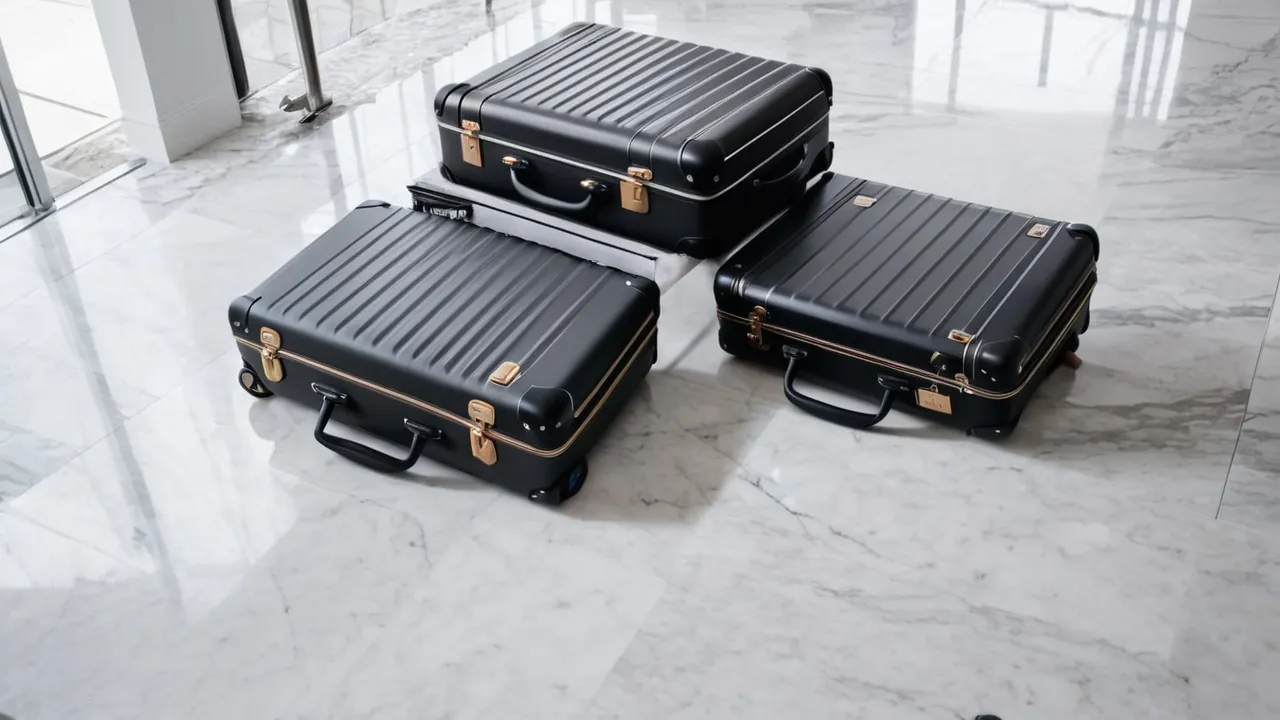
College luggage is the set of bags a student needs for moving in, living with the bag in a small room, and traveling home a few times a year, and the criteria that matter are size, weight, wheels, fabric, and storage. For most students the answer is one durable checked-size spinner with replaceable wheels, a smaller carry-on or backpack, and a plan to ship bulky items instead of flying them. Skip big matching sets that a dorm closet cannot hold. This guide lists the criteria and how to judge each one.
Criterion 1: Plan around the jobs, not the look
Many first-year students buy a flashy set, then discover the bag spends most of its life under a bed. Start by listing what the luggage must do in a typical year.
- Move-in day: carry bedding, clothes, and electronics, often by car.
- Break trips: fly or take a train with a smaller load.
- Storage: sit in a dorm closet or under a bed for months.
- Weekend trips: a small bag for a quick getaway.
- Move-out: pack a whole room, again often by car.
The big job is rarely a long flight. It is move-in and move-out, which suit large soft duffels, bins, and cartons more than hard-shell suitcases. For flights home, a mid-size suitcase and a backpack are usually enough. How to judge: count how many of those jobs involve a plane. If it is one or two trips a year, do not size your purchase around air travel.
Criterion 2: Size and weight
A single checked-size case, in the medium to large range, covers most break trips. Check your airline’s linear inch and weight limits, since they vary by carrier and fare. A carry-on spinner covers weekends and short breaks, and a daypack handles classes and a flight personal item. The luggage sets category shows combinations, but you may not need a full set.
Think about the dorm. Most rooms are small, with narrow closets and shared storage. A bag that nests, such as a carry-on inside a larger case, saves space. Soft-sided bags compress and slide under a bed more easily than hard shells. Measure the clearance under the bed before you buy, and compare it with the bag’s packed depth rather than its empty depth.
If you fly across the country, weight matters. A heavy empty bag leaves less room for clothes under the airline limit. Compare stated empty weights and aim for a light shell if your trips mostly involve flights. As a method, subtract the empty weight from the airline limit and see whether the remainder covers a term’s worth of clothes.
Criterion 3: Shell, fabric, and wheels
Students handle luggage roughly. Bags are dragged across parking lots, lifted into trunks, and tossed onto bunk beds. Durability counts more than style.
For a softside bag, choose an abrasion-resistant weave and check the stitching at the handle and corners. For a hard case, a flexible shell with a textured finish hides scuffs better than a glossy one. The best softside luggage set roundup covers softside options.
Wheels matter more than anything else. Campuses involve cracked pavement, curbs, and gravel. Look for spinner wheels with a sturdy housing and an easy path to replacement, and a handle that locks at each stop without wobble. The wheel selection guide explains the checks that separate durable wheels from decoration. A bag with a poor handle and weak wheels will not last four years.
Criterion 4: Shipping, storage, and alternatives to buying more
Not everything needs to travel with you. Many students ship boxes ahead for move-in or move-out and use the carrier’s tracking. Shipping can cost less than airline baggage fees for heavy items, and it avoids hauling bulky bedding on a plane. Compare carriers and rules before you commit.
Storage is the other question. Over the summer you may need somewhere to keep a bag. A bag that folds flat or nests makes storage easier. Soft duffels collapse completely, while hard shells take up room even when empty. If you store a bag in a damp basement or garage, protect it from mold with a breathable cover and some airflow.
Alternatives can reduce the number of bags you buy. A backpack with a laptop sleeve doubles as a class bag and a flight personal item. A large duffel can serve for move-in and weekend trips, and plastic bins handle storage.
Packing plans, roommates, and common regrets
A simple packing plan for each trip
For a flight home, list what you cannot replace: medications, documents, chargers, and a laptop. Keep those in a backpack that goes under the seat. Put clothes in packing cubes in the checked case, with shoes in bags at the edges so they do not mark clothes. Leave space for laundry or souvenirs coming back. Weigh the bag at home with a hand scale and compare it with your airline’s limit, because overweight fees are common.
For a drive home, flexibility beats structure. Soft duffels and folding crates fit an odd-shaped trunk better than a rigid case, and they collapse when empty. Load heavy items low and near the back seat so they do not shift under braking.
Matching bags to the roommate situation
Shared rooms mean shared space. Keep one bag per person under the bed and stash off-season items in a stored bin. A bright tag matters when two roommates own similar black bags.
What parents and students often regret
Families commonly report three regrets. The first is buying a large set, then using only one piece. The second is buying the cheapest case, then watching a wheel crack on the first move-in day. The third is skipping a name tag, which makes a lost bag hard to return. A moderate budget for one good case and a good backpack avoids the first two.
Low-regret upgrades and warranty reality
Some extras tend to pay off, and some do not.
- A bright strap or tag: dorm hallways produce many look-alike black bags.
- Packing cubes: they keep clothes organized in a small space.
- A lightweight luggage scale: it prevents overweight surprises.
- A cable lock: it secures a bag in a shared room or hostel.
- A tracker: if you fly often and check bags, a small tag adds peace of mind.
Skip features that add parts without value, such as built-in chargers. A bag with a battery can bring restrictions on flights. Read the airline and TSA rules on lithium batteries before you travel, and keep spare batteries and power banks in the cabin.
Students tend to shop on a budget, which is reasonable. The trap is buying a cheap set that fails after a year, then replacing it. A better approach is to buy fewer pieces of higher quality. Look for a warranty that covers wheels and handles, keep your receipt, and see the how we review page for how durability is weighed against cost. Used bags are another option: a solid used case can be a good deal if you check the zippers, wheels, and handle first, and family hand-me-downs often have years left if they were stored well.
Who should choose what
Choose a medium checked spinner plus a backpack if you fly home a few times a year. Choose a large duffel and ship the rest if you drive home or live nearby. Choose a carry-on only if you fly light and move gear by car. Skip a full matching set unless you will use every piece, and skip heavy cases if you pack near the weight limit. If you are unsure, buy the checked bag first and add pieces as needs appear.
Frequently Asked Questions
What luggage do I need for my first year of college?
Most students do well with one medium to large checked spinner, a backpack for classes and flights, and a large duffel or bins for move-in. Add a carry-on only if you take frequent weekend trips. Check airline size and weight limits before you choose the checked bag.
Is a duffel bag or a suitcase better for college?
A duffel is better for move-in, storage, and car trips because it collapses and fits odd spaces. A suitcase is better for flights and long walks through airports because wheels carry the weight. Many students use both, with the duffel for moving and the suitcase for travel.
How big should luggage be for a college student flying home?
A medium to large checked case is enough for most break trips, packed within your airline’s linear inch and weight limits. Pack a backpack for essentials that go under the seat. If you carry winter gear, subtract the empty bag weight from the limit to see what you can really pack.
Should I buy a luggage set for college?
Usually not. A set bundles pieces you may never use, and a dorm has little room to store them. One durable checked case plus a backpack covers most students. Buy a set only if you will use every piece or share it with family, and check the wheels and warranty first.
Final Thoughts
College luggage should be chosen for the move, the storage, and the flights, in that order. Buy one durable spinner, borrow or ship the bulky items, and add low-cost helpers like cubes and a scale. Check the wheels, zippers, and warranty, and ignore the appeal of a large set that your dorm cannot hold.
Related buying guides
- Do Packing Cubes Save Space? How to Use Them
- Double vs Single Spinner Wheels: What Actually Matters
- Empty Suitcase Weight: Why It Eats Your Baggage Allowance
About the author

The BuyOnceChoice Editorial Team researches durable products worth buying once. Our guides compare published specifications, warranty terms, expert review consensus, and verified owner feedback. We do not conduct our own product trials. See How We Review and our Editorial Policy for our standards.