Signs It Is Time to Replace Your Suitcase
Not every damaged bag is finished. Learn which failures are repairable, which signal the end and a simple decision rule based on parts and cost.
 By BuyOnceChoice Editorial Team
Updated November 16, 2026
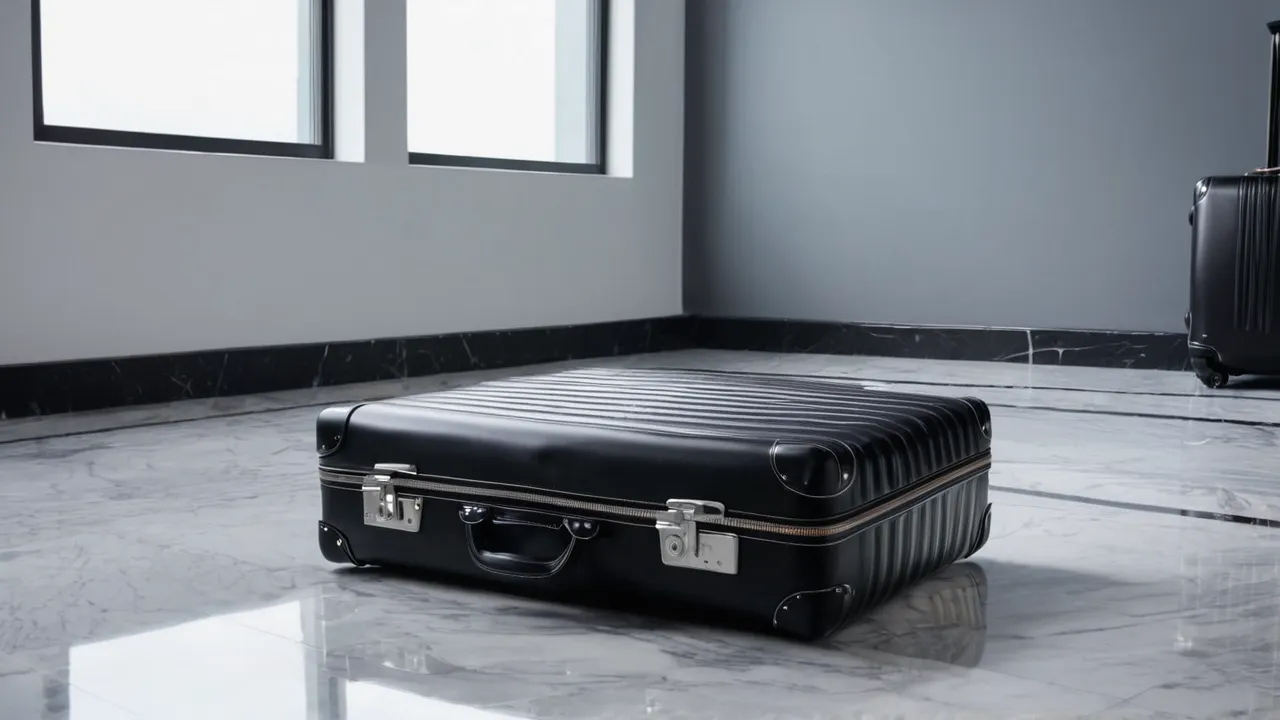
When to replace a suitcase depends on what failed and whether that part can be replaced. Wheels, handles and zipper sliders are often repairable if parts exist. A cracked frame, a split shell near the wheel mount or a lining that is falling apart usually ends a bag’s useful life. Compare repair cost and availability against the cost of a comparable new bag.
Start With What Failed
Suitcases fail in predictable places. Sort the problem into one of these groups.
- Moving parts: wheels, telescopic handle, zipper sliders, latches and locks.
- Structure: the shell, frame, wheel mounts, corner guards and handle base.
- Fabric and finish: tears, frayed seams, delaminated coating and peeling lining.
- Cosmetic: scuffs, scratches, fading and minor dents.
Moving parts are the most repairable. Structure is the least. Fabric damage lies in the middle: a small tear can be patched or stitched, while widespread fraying means the material is giving up. Cosmetic damage never justifies replacement on its own unless it bothers you.
Repairable Problems
These problems often have practical fixes.
- A worn or broken wheel: replace it if the unit is bolted or the maker sells replacements.
- A stuck or bent handle: lubricate it, straighten a dent, or replace the handle assembly if parts exist.
- A zipper slider that lets the zipper split: replace the slider or tighten it.
- A loose rivet or screw: tighten or replace it.
- A torn seam: restitch by hand or at a shop.
- A broken lock: replace with a new one or use an external lock.
Our guides on replacing wheels and fixing a stuck zipper walk through the steps. If you hold a bag with an intact shell and sound frame, repair is usually worth considering, since the shell is the expensive part to replace.
Problems That Signal the End
Some failures are hard or impossible to fix well.
- A cracked frame or a bent internal frame that no longer holds the shape.
- A split shell near the wheel housings, where stress is highest.
- A broken zipper track along a long stretch, especially on an expansion zipper.
- A lining that is peeling, sticky or crumbling, which can mark clothes.
- Widespread fabric fraying or coating failure.
- Damage in several systems at once, such as worn wheels plus a failing handle plus a splitting zipper.
When multiple systems fail together, the cost of fixing all of them often exceeds the value of the bag. A single repair makes sense, but a stack of repairs suggests the bag has reached the end of its life.
Checking Whether Parts Exist
Before you decide, check whether parts exist. This is the single factor that tips most decisions. Look for these:
- A brand parts page or service center for the model.
- A warranty that covers the part in question.
- Universal replacement parts that fit your bag, such as wheel kits or zipper sliders.
- A local luggage repair shop that works on your brand.
If parts exist, repair is realistic. If the brand discontinued the model or only replaces whole bags, repair options shrink. A bag from a brand that sells parts for years is a better candidate for repair than a bag from a seller that disappeared. Our luggage sets category includes brands that describe repair, and our best travel luggage set roundup compares them.
A Simple Repair Versus Replace Rule
Use this three-step rule.
- Identify the failed part and confirm the shell and frame are sound.
- Find the cost of the repair, including parts, labor and shipping. Compare it to the price of a similar new bag.
- If the repair costs less than about half the replacement price and the rest of the bag is in good shape, repair it. If it costs more, or the bag has other failing parts, replace it.
Add a safety factor: if you have a trip soon and the repair takes weeks, you may replace the bag for convenience. If the bag has sentimental value or is a premium model, repair is more attractive.
Symptom guide
| Symptom | Usual verdict | Reason |
|---|---|---|
| Worn wheel, shell sound | Repair | Bolted wheels are cheap to replace |
| Sticky handle | Repair | Cleaning or a new assembly often works |
| Zipper splitting behind the slider | Repair | A new slider is a small job |
| Hairline crack near a wheel mount | Replace | Stress will reopen the crack |
| Peeling or sticky lining | Replace | The lining cannot be restored |
| Two or three systems failing together | Replace | Repair costs stack up |
| Scuffs, scratches and fading only | Keep | Cosmetic damage does not affect function |
Treat the verdicts as starting points. Always get a quote, and confirm that parts exist before choosing repair.
How Age and Use Change the Decision
A five-year-old bag used for monthly trips has taken many cycles and may be due for replacement even if only one part failed. A bag used a few times a year may be sound despite its age. Consider how the bag has been treated: checked often, dragged over rough ground, packed to the limit. Heavy use accelerates failures in other parts, so a second failure within a year of the first is a warning sign.
Think about whether the bag still fits your needs. If your trips have changed, perhaps to longer ones or to airlines with stricter carry-on limits, a repair may not solve the real problem. Replacing a bag with a better-matched size can be the better choice, and our how we review page shows how we weigh fit alongside durability.
Worked examples
Consider a carry-on with a worn wheel and an otherwise sound shell. If the wheel is bolted on and the brand sells a replacement, the repair costs a small fraction of a new bag, and the answer is repair. Now consider a large checked case with a cracked shell beside the wheel mount, a sticky lining and a zipper that splits. The cracked shell makes the wheel repair unreliable, the lining cannot be fixed and the zipper needs work, so the answer is replace. Finally consider a softside bag with a torn seam and a worn handle. A seam can be restitched at a shop, and the handle may be replaceable, so the total depends on quotes. Get a quote for each item before deciding.
When quotes disagree, trust the one that lists parts and labor separately and says how long the work will take. A shop that inspects the whole bag and points out a second weak spot is giving you useful information, even if the answer is unwelcome. Ask for the quote in writing, and keep it with your receipt in case the bag later fails in the same place.
Warning signs to watch for before a trip
Inspect a bag a week before you travel rather than the night before. Roll it across a floor and listen for grinding. Extend and collapse the handle and check for sticking. Run every zipper fully and look for gaps behind the slider. Press along the shell seams and around the wheel mounts for hairline cracks, and look inside the lining for peeling. If you find a problem, you still have time to repair or replace. A bag that shows two or more of these signs deserves a decision before it leaves the house, since airline handling will make weak points worse.
Safe disposal and reuse
If you replace the bag, do not rush to the trash. Check whether a repair shop, charity or recycler will take it. A bag with a failed wheel but a sound shell may serve as storage. Remove old tags and personal information before you give it away. If you keep the old bag for backup, store it in a dry place so mold does not develop.
Who Should Choose Which
Choose repair if the shell is sound, parts are available and the cost is well under the price of a new bag. Choose replacement if the structure is damaged, several systems are failing or parts are unavailable. Skip repair if you are about to take a long or important trip, since a failure en route will cost more than the saved money. Keep a bag that works but looks worn, since scuffs rarely affect function.
Frequently Asked Questions
How do I know when to replace a suitcase?
Replace it when the structure fails, such as a cracked frame or a shell split near a wheel mount, when several systems fail together or when parts are unavailable. If a single moving part has failed and the shell is sound, repair is usually worth a quote.
Is it worth repairing an old suitcase?
Usually yes if the shell and frame are sound, parts exist and the repair costs less than about half the price of a comparable new bag. If the repair costs more, or other parts are failing, replacing is usually the better choice.
Can a cracked suitcase be repaired?
Small, non-structural cracks may be patched, but the repair is often cosmetic. A crack near a wheel mount, corner or frame is a sign the shell is near the end of its life, since stress will reopen it. Get a shop opinion before you pay.
Final Thoughts
Match the failure to the repair path. Moving parts are usually fixable, structure rarely is, and part availability tips the decision. Apply the half-the-price rule, consider the bag’s age and use, and replace when several systems fail at once. A suitcase that can be repaired cheaply is worth keeping, and one that cannot is worth letting go.
Related buying guides
- Smart Luggage Battery Rules: Removable Power Banks
- Spinner vs Two-Wheel Luggage: Pick by Your Route
- How to Store Luggage and Prevent Mold
About the author

The BuyOnceChoice Editorial Team researches durable products worth buying once. Our guides compare published specifications, warranty terms, expert review consensus, and verified owner feedback. We do not conduct our own product trials. See How We Review and our Editorial Policy for our standards.