Spinner vs Two-Wheel Luggage: Pick by Your Route
A route-based rule for choosing four wheels or two: what you roll over, how many stairs you climb, and whether a failed wheel can be replaced.
 By BuyOnceChoice Editorial Team
Updated November 16, 2026
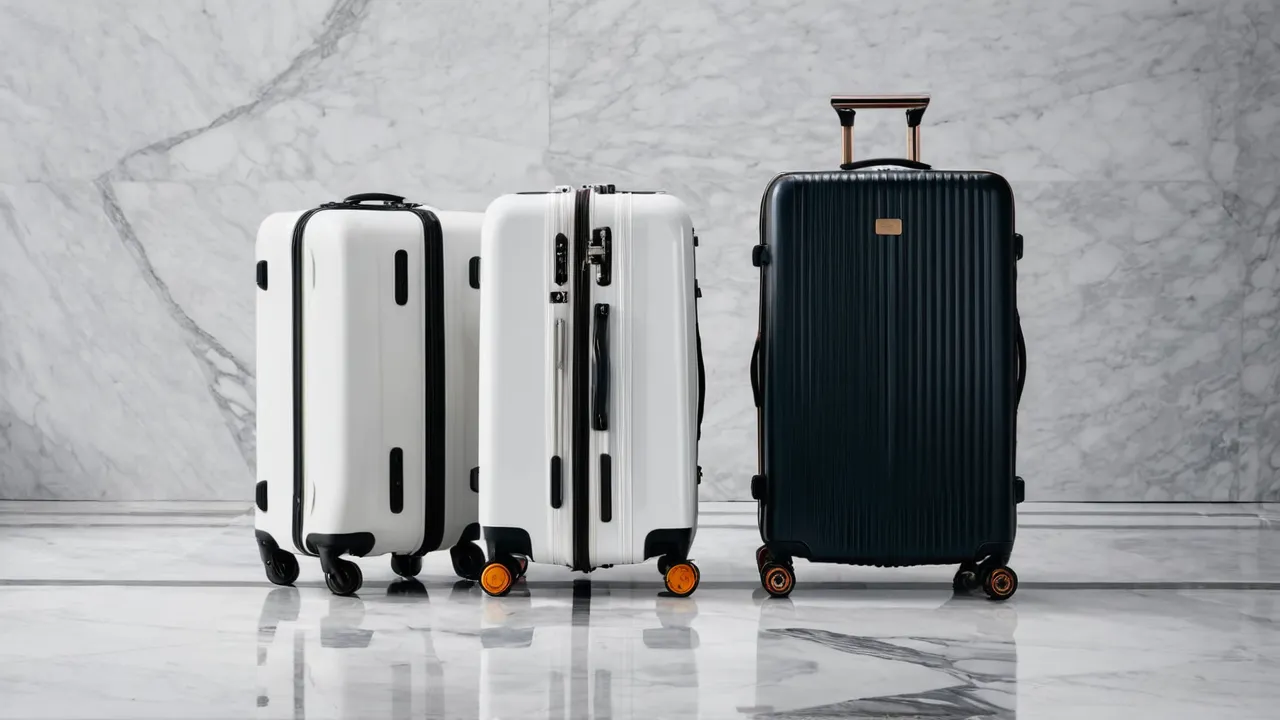
Spinner luggage suits smooth floors, airports, and hotel lobbies where you want to push or glide a bag beside you, while two-wheel luggage suits cobblestones, curbs, gravel, and long stair runs where recessed wheels and a tilted pull are more stable. Neither is better in general. The right pick depends on the surfaces on your most common route, how often you carry the bag, and whether the wheels can be replaced when they wear out. The sections below turn that into a decision rule you can apply in a few minutes.
What actually differs between the two designs
A spinner has four wheels mounted on swivel housings at the corners of the base. The bag stands upright on its own, rolls in any direction, and takes almost no wrist effort on a flat floor. A two-wheel bag, often called an upright, has two fixed wheels set into the back of the shell and a pair of feet on the bottom edge. You tilt it back and pull it behind you, so part of the load rides on your hand.
That difference in geometry drives everything else. Spinner wheels hang off the base, so they are exposed on every corner and see the first impact when a bag is dropped or slid down a baggage chute. Two-wheel designs tuck the wheels into recesses, which protects them but also takes interior packing space and often leaves a raised channel inside the bag where the handle tubes run.
- Spinner: easy to steer on flat floors, exposed wheels, bag stands on its own, handle tubes run along the back.
- Two-wheel: pulled at a tilt, larger and more recessed wheels, steadier on rough ground, more weight carried by the arm.
- Both: the handle system and zipper matter as much as the wheel count for long service life.
Surfaces decide more than preference
Think about the ground your bag will cross, not the bag itself. Small spinner wheels have a short contact radius, so a crack in a sidewalk, a grate, or a cobblestone joint can stop one wheel and twist the bag sideways. A two-wheel bag rides on larger wheels that roll over those gaps more easily, and because you hold the weight, a stop does not tip it.
On carpet, tile, polished concrete, and terminal floors the situation reverses. A spinner glides next to you, you can switch hands without stopping, and you can park it upright in a queue without leaning it on anything. Pulling a loaded upright through a long concourse puts steady strain on one wrist and shoulder.
Use this quick surface check for your next three trips:
- Mostly airports, hotels, and car-to-door trips: lean spinner.
- Old European-style streets, gravel paths, unpaved lots, or ferry ramps: lean two-wheel.
- A mix: look for a spinner with large, well-supported wheels or a two-wheel bag with a low profile and a sturdy handle.
Stairs, curbs, and the carrying load on your route
Stairs are the part of travel that quickly separates the two. A two-wheel bag can be pulled up and down steps by its wheels and handle, bumping from step to step, because the wheels sit behind the shell and take the impact. A spinner is awkward on stairs: the swivel wheels have nothing to brace against, so most people end up lifting the bag by the top handle or side handle.
That makes the weight of the bag important if your routine includes subway stairs, walk-up apartments, or older train stations without elevators. A lighter empty shell and a comfortable top handle matter more than the wheel type. If you regularly lift your bag more than a few times per trip, consider a spinner only if it is light enough that carrying it feels reasonable, and remember that a packed bag can be far heavier than the empty one.
For curbs, the difference is smaller. Most spinners handle a standard curb by tilting onto two wheels, which gives you the two-wheel behavior for a moment. The real concern is the sideways pull: a loaded spinner on a slope can roll away from you, so know where its stand-still position is before you release the handle.
Repair access and the buy-once angle
Wheels are the first mechanical part of a suitcase to wear out, so repair access is a legitimate buying criterion. Check three things before you buy either style. First, whether the manufacturer sells replacement wheels or wheel assemblies, or offers a repair program. Second, whether the wheels are attached with screws or rivets, since screws give you a chance to replace them with ordinary tools while rivets usually need drilling. Third, whether the wheel housing is part of the shell or a separate bolted component.
Spinner wheels are more likely to be replaceable as complete assemblies, but there are four of them and each is exposed to damage. Two-wheel units have fewer moving parts, and many in-line skate style wheels can be swapped if you can access the axle. The designs vary widely, so the manual and the brand support page are the places to check, not marketing copy.
Read the warranty carefully. Some policies cover manufacturing defects only, while others include normal wear on wheels and handles. If wheels are excluded, repair access is more valuable. For a deeper look at what warranties include, see the broader luggage sets category for how different makers present support.
Who should choose a spinner, and who should skip it
A spinner is the stronger fit for people who travel mostly through airports and hotels, who pack for flat-floor trips, and who want easy steering through tight spaces such as boarding aisles. It also suits anyone with shoulder, wrist, or back issues who would rather push than pull, though a doctor or physical therapist is the right source for that kind of advice.
Skip a spinner if your trips commonly include cobblestones, ferry ramps, gravel, or frequent stairs. Also skip it if you park bags on ramps or in vehicles on slopes, since a spinner can roll away. If you are choosing a bag that will be checked often, think about the exposed wheels and handling by baggage crews. A soft-sided bag with a protected wheel base is an option; see best softside luggage set for how those are usually described.
Who should choose two wheels, and who should skip them
A two-wheel bag fits travelers who deal with rough ground, stairs, long outdoor walks, and public transit with few elevators. It also suits people who rarely check bags, because the recessed wheels are protected from knocks. The tilt-and-pull motion keeps the bag in line behind you on narrow sidewalks.
Skip it if you cover long airport distances with a heavy bag, because the load is carried at your hand. Also skip it if you want the bag to stand beside you in a queue without leaning, or if you need to push it through packed crowds where steering sideways matters. Buyers who want both styles in one purchase should consider whether a single mid-size bag in each style, rather than a full set, costs less over many trips; the guide to how we review explains how we judge those trade-offs.
Quick comparison
| Factor | Spinner | Two-wheel |
|---|---|---|
| Flat floors and terminals | Glides beside you | Pulled at a tilt, load on the hand |
| Cobblestones and gravel | Small wheels can catch | Larger recessed wheels roll over gaps |
| Stairs | Usually lifted | Can be bumped up and down |
| Wheel exposure | Four exposed corners | Recessed wheels protected |
| Packing space | More usable interior | Handle channel takes some room |
| Stands upright on its own | Yes | Only on its feet, often less stable |
Verdict by buyer type: an airport and hotel traveler should lean spinner; a traveler with rough ground and stairs should lean two-wheel; a mixed-route traveler should favor a spinner with large, supported wheels or a two-wheel bag with a low profile.
Frequently Asked Questions
Is a spinner or two-wheel suitcase better?
Neither is better in general. Spinners suit smooth floors, airports and hotels because they glide beside you, while two-wheel bags suit cobblestones, gravel and stairs because the recessed wheels are larger and protected. Choose by the surfaces on your most common route.
Do spinner wheels break easily?
They are exposed at the corners, so they take the first impact when a bag is dropped or slid down a chute, and a cheap wheel can wear out sooner. Check the wheel mount, whether replacement wheels are sold and what the warranty says about wheels.
Are two-wheel suitcases better for stairs?
Usually, because you can pull the bag up and down steps by its wheels and handle, with the recessed wheels taking the impact. A spinner has nothing to brace against, so most people lift it by the top or side handle. Weight matters on stairs either way.
Final Thoughts
Choose by route, not by trend. List your most common surfaces, count the stairs you climb, and decide how much you mind carrying weight in your hand. If your answers say smooth floors and few steps, a spinner with sturdy, replaceable wheels is the easier daily experience. If they say rough ground and stairs, a two-wheel bag with recessed wheels is the safer pick.
Whichever you pick, spend your attention on the parts that decide how long the bag lasts: the wheel mounting, the handle system, the zipper, and the warranty wording on wheels. Confirm the replacement parts policy on the manufacturer page, and keep your receipt. A bag that you can repair is a bag you can keep using.
Related buying guides
- How to Store Luggage and Prevent Mold
- TSA Approved Luggage Locks: What They Do and Do Not Do
- TSA Lock vs Zipper Cable Tie: Which Secures a Bag Better
About the author

The BuyOnceChoice Editorial Team researches durable products worth buying once. Our guides compare published specifications, warranty terms, expert review consensus, and verified owner feedback. We do not conduct our own product trials. See How We Review and our Editorial Policy for our standards.