TSA Lock vs Zipper Cable Tie: Which Secures a Bag Better
A lock deters casual access and a cable tie shows tampering, but neither stops a determined thief. Compare how each handles inspections, cost and convenience.
 By BuyOnceChoice Editorial Team
Updated November 16, 2026
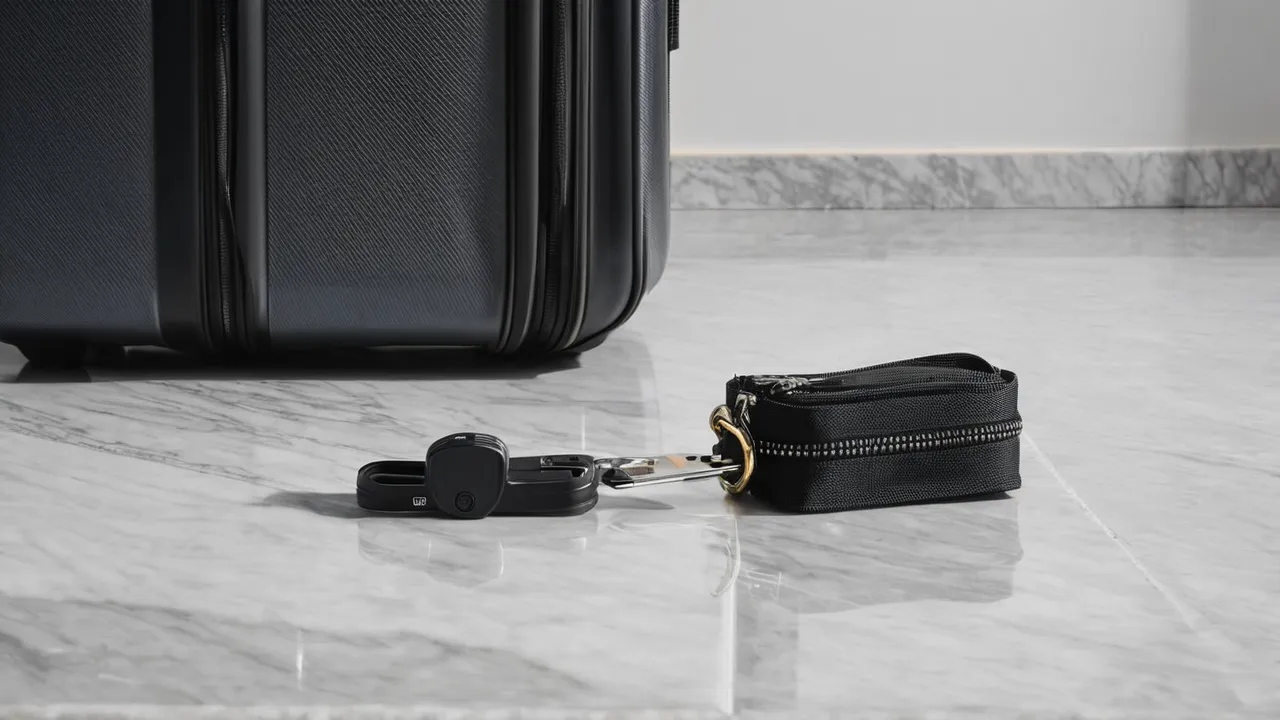
A TSA-recognized lock lets inspectors open your bag without cutting it, while a cable tie is a cheap one-time seal that shows if someone opened the bag. Neither stops a determined thief. Choose a TSA lock if you check bags often and want to avoid damage during inspection, and a cable tie if you only want evidence of tampering at very low cost.
What Each Closure Actually Does
A TSA-recognized lock has a master key that screening officers can use. If your bag needs a physical inspection, they open the lock and re-lock it when possible. A non-recognized lock may be cut, which can damage the lock, the zipper pull or the bag itself.
A cable tie, also called a zip tie, is a plastic strap that locks when pulled through a head. You cut it to open the bag. It keeps zipper pulls together and makes it obvious if someone opened them, because the tie is either missing or has been replaced with a different one. It does not prevent access.
Inspection Damage and Practical Handling
If a bag is selected for inspection, an officer may cut a cable tie or a non-recognized lock. Cutting a cable tie costs you only the tie. Cutting a metal lock costs you the lock and may snag the zipper. A recognized lock can be opened by the officer and often relocked, and a notice may be left inside the bag if it was searched.
Rules and procedures change, so check the TSA website for current guidance before you travel. Practices outside the United States differ, and some countries do not honor the system.
Tamper Evidence Versus Deterrence
Locks deter casual access
A lock stops a curious hand from slipping into an unlocked zipper pair. That is the main benefit. A determined thief can still cut the lock or slit the fabric, and many zippers can be opened with a pen. For soft bags, a lock mostly signals that the bag is closed.
Cable ties show tampering
A cable tie shows that the bag was opened, if you note the tie’s color or number. Some travelers use numbered security seals for this purpose. If the tie looks different at arrival, you know to check your belongings and report it. It does not stop anything.
Our luggage set category lists bags with built-in locking features and lockable zipper pulls.
Cost and Convenience
| Factor | TSA lock | Cable tie |
|---|---|---|
| Reusable | Yes | No |
| Inspection damage | Low if recognized | Low but needs replacement |
| Tamper evidence | Limited | Good if unique |
| Cost per trip | Low over time | Very low |
| Convenience | Needs a combination or key | Needs scissors on arrival |
Cable ties are disposable and need a pair of scissors or small clippers at the destination. Check the TSA website for what tools are allowed in a carry-on, or pack clippers in checked luggage, or buy releasable ties that can be reopened and reused.
When to Skip Locks Altogether
Some situations call for no lock. If your bag carries nothing valuable, a lock adds little. For carry-on bags that remain with you, a lock may slow you at screening. Valuables such as cash, jewelry, medication and electronics should not be in checked bags at all, so a lock should not be the plan. Airlines typically recommend carrying these items with you.
Better Security Habits
A lock is one layer. Add others: keep documents and electronics in carry-on bags, use bags with lockable zipper pulls, add a luggage tag with limited personal details and take a photo of the bag and its contents before you travel. Consider a tracker as an additional aid, though read airline rules about trackers. For how we judge such claims, see the how we review page, and compare current bags in our best travel luggage set roundup.
Choosing a Lock Type
Locks come as three-digit combination locks, key locks and cable-style locks. A combination lock avoids lost keys, but you must remember or write down the digits, and some travelers leave the factory setting by mistake. Choose digits you will remember and change them from the default. A key lock is simple but needs a spare key stored away from the bag. Cable-style locks can secure multiple zipper pulls and a fixed point, but make sure the label says it is TSA-recognized if you plan to check the bag.
Look at build quality. A thin zinc body with a flimsy shackle gives little resistance, while a thicker shackle and a steel-backed core costs a little more and lasts longer. Even the best luggage lock is a deterrent, so do not pay a premium for security language that promises more.
How to Use Cable Ties Well
If you use cable ties, buy ones that are thick enough that a casual pull does not snap them. Numbered seals are better than plain ties for tamper evidence, because you can record the number before departure and compare it afterward. Photograph the sealed bag with the number visible. Keep clippers in your checked bag or buy releasable ties that open with a pull tab.
Do not use cable ties on bags where the zipper pulls can slide over the sealed point, since a slim gap may allow a pen trick on coil zippers. Pull the zippers together and tie them tight enough to hold them in place.
What to Do if You Find Signs of Tampering
If a seal is missing or a lock is cut, check the contents before you leave the baggage area. Report problems to the airline at the baggage office, and ask whether a TSA notice was left inside the bag. Photograph the damage and the contents, and file a written report. Keep receipts for any damaged items. Reports usually have time limits, so act at once.
Special Cases: Hard Shells, Backpacks and International Trips
Hard-shell cases with built-in latches often include an integrated lock that can be TSA-recognized, which removes the need for an extra padlock. Backpacks have more varied zippers and fewer places to lock, so a small cable lock that threads through two pulls is common. Some airlines and countries inspect baggage in ways that cut any lock, regardless of recognition. If you travel abroad, check the local rules, and consider a cable tie for outbound flights where you expect inspection, while saving a lock for domestic trips.
Lock Placement Matters
Where you attach a lock changes its value. Join the two zipper pulls of the main compartment so neither can slide apart, and lock any outer pocket that holds items you did not remove. Position the lock so the pulls cannot be rotated around the edge of the bag. Spend a minute to check that the pulls are fully closed before you snap the lock shut, because a lock fastened over a partly open zipper offers no protection and may jam the slider. Finally, store the combination in your phone and in a note kept away from the bag.
Worked example: one trip, two choices
Imagine a traveler who checks one bag on a domestic round trip and carries a laptop and medication in a cabin bag. A recognized lock keeps the zipper closed and lets an officer open it without cutting anything. Adding a numbered seal over the lock gives a second signal, because a missing or changed number tells the traveler the bag was opened after check-in. If the same traveler flies abroad, a recognized lock may be cut, so a cheap seal and a spare lock for the return leg may make more sense.
Verdict by buyer type: a frequent domestic flyer should lean toward a TSA-recognized lock; a traveler who mainly wants proof of tampering should lean toward numbered seals; a carry-on-only traveler can skip both.
Who Should Choose Which
Choose a TSA-recognized lock if you check bags regularly and want to prevent damage. Choose cable ties or numbered seals if you want a cheap tamper signal and are fine with disposables. Use both if you want a deterrent and a signal. Skip locks if you carry nothing worth securing, and skip cable ties if you cannot cut them off at your destination.
Frequently Asked Questions
Is a TSA lock better than a cable tie?
A TSA-recognized lock is reusable and lets officers open the bag without cutting anything, while a cable tie is a cheap one-time seal that shows tampering. Neither stops a determined thief. Choose by whether you value inspection convenience or tamper evidence.
What happens if TSA cuts my luggage lock?
If a bag needs a physical inspection and the lock is not one officers can open, they may cut it, which can damage the lock and sometimes the zipper pull. A recognized lock can be opened with a master key and often relocked, and a notice may be left inside.
Can I use a cable tie on a suitcase?
Yes. It keeps zipper pulls together and shows if someone opened them, but it does not prevent access and must be cut off at your destination. Numbered seals work better for tamper evidence because you can record the number before departure.
Final Thoughts
Think of both as deterrents and signals, not protection. A recognized lock avoids inspection damage and deters casual access. A cable tie costs little and tells you if a bag was opened. Keep valuables with you and decide based on how often you check bags.
Related buying guides
- Underseat Luggage Guide: Dimensions and Fit Checks
- What to Do When an Airline Damages Your Luggage
- Aluminum vs Polycarbonate Luggage: Worth the Premium?
About the author

The BuyOnceChoice Editorial Team researches durable products worth buying once. Our guides compare published specifications, warranty terms, expert review consensus, and verified owner feedback. We do not conduct our own product trials. See How We Review and our Editorial Policy for our standards.